What Exactly Is a Rifugio?
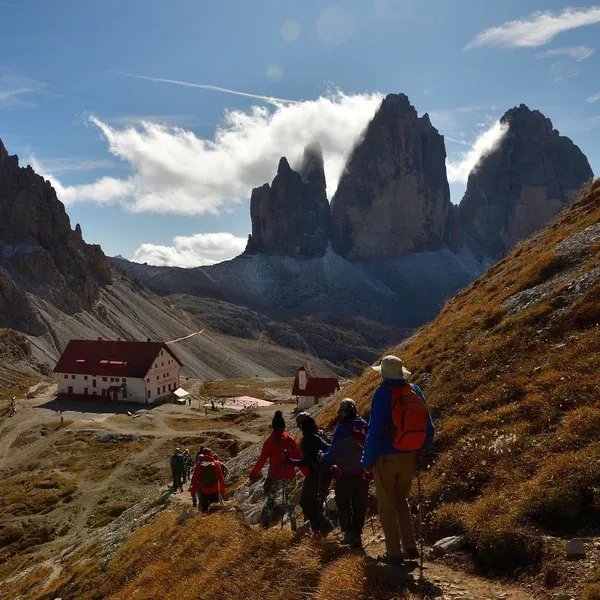
The word “rifugio” (plural: rifugi) translates to “refuge,” and that is precisely what these structures were built to be. Scattered across the Dolomites at elevations between 1,800 m5,906 ft and 2,800 m9,186 ft, rifugi are mountain huts that provide food, drink, and overnight accommodation to hikers and climbers. They are not hotels. They are not hostels. They are functional alpine shelters run by families, by the Italian Alpine Club (Club Alpino Italiano - CAI) or by other alpine clubs, and they operate on a completely different set of rules than anything you have encountered in valley accommodation.
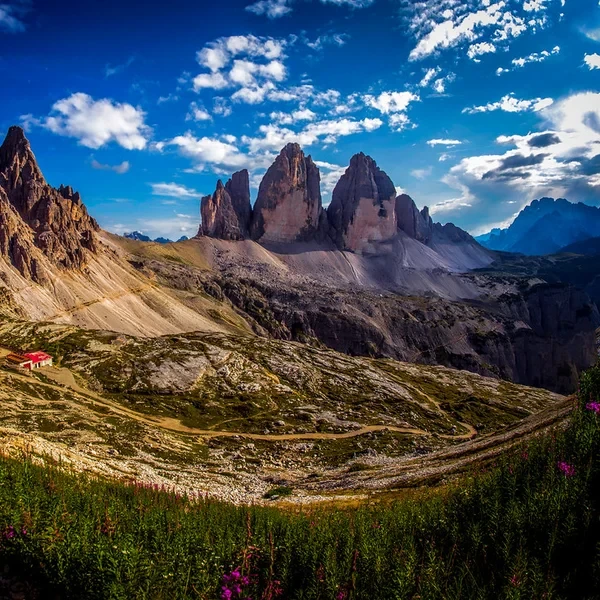
Some rifugi, like Rifugio Auronzo at the base of the Tre Cime di Lavaredo (Drei Zinnen), are accessible by road and feel almost like mountain restaurants. Others, like Rifugio Tissi below Monte Civetta, require a long climb on foot and feel like genuine wilderness outposts.
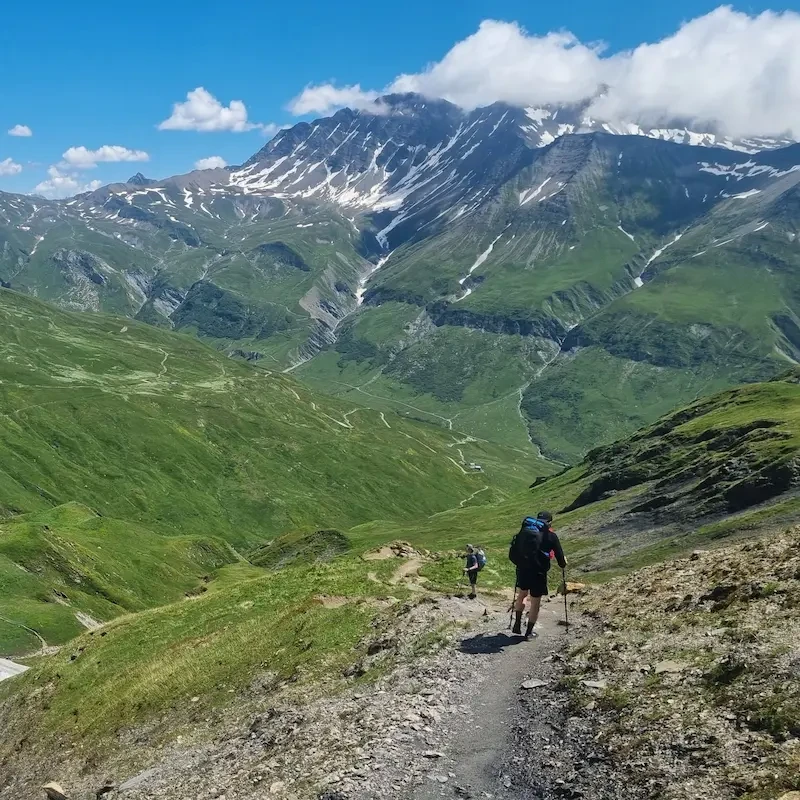
The experience varies enormously, but the fundamentals remain the same: you arrive on foot, you eat what is served, and you sleep when the lights go out.
How Do You Book a Rifugio?
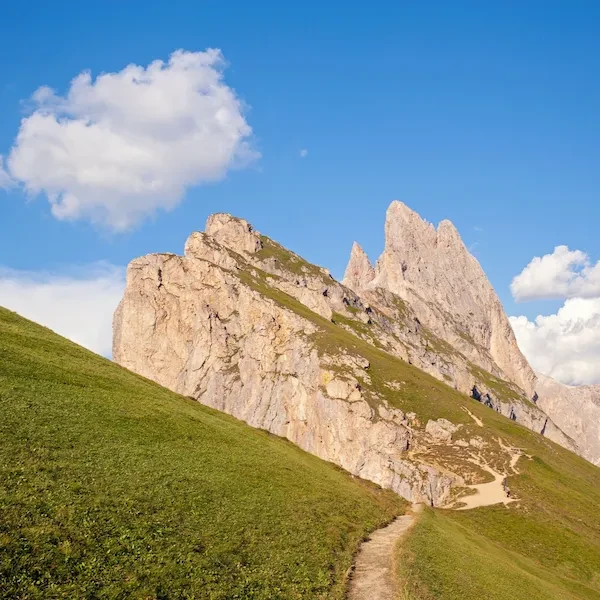
This is where most first-timers make their critical mistake. Rifugi along popular routes - the Alta Via 1, the Tre Cime loop, anything near Seceda or the Alpe di Siusi (Seiser Alm) - are booked months ahead for the following summer, and each publishes its own booking opening date. The peak weeks in July and August are the most in demand.
The process: Most rifugi now accept bookings via email or through their own websites. A handful still require a phone call in Italian. You will typically receive a confirmation email and may be asked to pay a deposit; in CAI huts, the 2026 CAI tariff caps it at the price of the night. Do not expect a slick online booking system - many of these operations are run by a single family.
Cancellation policy: If your plans change, cancel as early as possible. No-shows are a serious problem for hut operators who turn away other hikers based on your reservation. In alpine club huts, the joint rules of the AVS, DAV and ÖAV allow the hut keepers to charge reasonable cancellation fees.
Walk-ins: Some rifugi keep a few emergency spots (Notlager, posto emergenza) for hikers who arrive without a booking; in CAI huts the 2026 tariff caps them, for non-members, at 7 EUR$8 in category C, 11.50 EUR$13 in categories D and E and 14 EUR$16 at the Regina Margherita. Do not count on this as a strategy - it is a last resort, not a loophole.
What Does a Night in a Rifugio Cost?
The price of an overnight stay with half-board (dinner and breakfast) is set by each hut and varies by what is included. Everything you consume at altitude costs more than in the valley - and for good reason. Supplies are flown in by helicopter or hauled up by cable systems that the hut keepers maintain themselves. Your beer is priced to cover the cost of getting it to 2,500 m8,202 ft.
The price breakdown
- Half-board (mezza pensione): price set by each hut. This is the standard option and what you should book. It includes a bed, dinner, and breakfast.
- Bed only (pernottamento): in CAI huts, the 2026 tariff caps a bed with mattress and blankets for non-members at 30 EUR$35 to 44 EUR$51, depending on the hut’s category. Eating dinner elsewhere is not practical when the nearest restaurant is a 2-hour walk downhill.
- CAI member discount: In CAI huts, CAI members and members of reciprocal clubs get at least 20% off the bed and half-board, and 30% off for CAI members under 25; for a bed only, the discount applies to three consecutive nights at most. Ask your national club whether its card gives reciprocal rights.
Plan for cash (Bargeld). Not every rifugio necessarily takes cards: carry cash in euros in mixed bills, plus a handful of 1 EUR$1 and 2 EUR$2 coins for paid toilets and water refills at huts where you are not staying overnight.
What Should You Expect Inside?
Dormitories (Lager / Matratzenlager)
Most rifugi offer shared dormitories with 4 to 20 bunks per room. You sleep in a bunk with a mattress, pillow, and heavy wool blankets provided by the hut. Sheets are not provided - you must bring a sleeping bag liner (silk or cotton). It is mandatory in the huts of the AVS, DAV, ÖAV and CAI. You can also buy one on site (12 EUR$14 in AVS huts).
A growing number of huts offer private rooms (camera / Zimmer) for couples or small groups for a supplement. Book them as early as you can.
Meals
Dinner is served at a fixed time - usually 19:00 or 19:30 - and you sit where the hut staff directs you. There is no menu. You eat what is prepared, typically a three-course meal: soup, a pasta or polenta main course with meat, and dessert. The food is often remarkably good - this is Italy, after all. Even at 2,600 m8,530 ft, you are likely to be served freshly made pasta, local Ladin cheese, and proper espresso. Many hut keepers (rifugisti) take enormous pride in cooking with local ingredients, and some have become genuinely famous for their signature dishes.
Breakfast is simpler: bread, butter, jam, maybe cold cuts, and coffee or tea. Do not expect eggs or a cooked breakfast.
Dietary restrictions: Vegetarian options are usually available if you notify the hut when booking. Vegan, gluten-free, or other specific diets are difficult to accommodate at altitude. Bring supplementary food if you have strict requirements.
Facilities
- Showers (Dusche): Most high-altitude rifugi do not have showers. Those that do usually charge for a few minutes of lukewarm water. Do not expect hot water at 2,500 m8,202 ft.
- Toilets: Basic but functional. Some huts still have outdoor composting toilets.
- Electricity: Available for lighting, but charging phones and devices is not guaranteed. Outlets are limited. Bring a power bank.
- Wi-Fi: Rare. Some valley-adjacent huts offer slow satellite Wi-Fi. Treat rifugi as offline environments.
What Are the Unwritten Rules of Rifugio Etiquette?
Rifugi operate on a set of social norms that nobody explains to you but everyone expects you to follow.
- Quiet hours generally run from 22:00 to 06:00. Each hut posts its own hours. The generator shuts off, the lights go out, and you are expected to be in your bunk. Headlamps and phone screens in the dormitory after lights-out will earn you sharp words from both staff and fellow hikers. Bring earplugs - the person in the next bunk will snore.
- Boots stay at the door. Most rifugi have a boot room (scarpiera / Schuhraum) at the entrance. You leave your muddy hiking boots there and switch to hut slippers (Hüttenschuhe) or your own lightweight sandals.
- Early departures: If you are leaving before breakfast (common for long days or via ferrata starts), tell the staff the evening before. They will often prepare a packed breakfast or leave something out for you. Do not rustle through your bag in the dark dormitory at 05:00 - pack everything the night before and dress in the hallway.
- Water: Tap water is drinkable at most rifugi but always ask. Bottled water and other drinks are sold at mountain prices: in CAI huts, the 2026 tariff caps a 0.5 l bottle of water at 2 EUR$2 to 3.50 EUR$4 for non-members, depending on category; each hut sets the price of other drinks.
- Tipping: Not expected, but leaving a few euros in the tip jar is appreciated, especially when the staff has gone out of their way to accommodate you.
What Should You Pack for a Rifugio Stay?
The difference between a comfortable rifugio experience and a miserable one comes down to a short list of items that most first-timers forget.
- Sleeping bag liner: Mandatory in the huts of the South Tyrol Alpine Club (AVS) and, for overnight stays, in those of the CAI. Silk liners are lighter; cotton liners are cheaper. Either works.
- Earplugs: Dormitories with 12 strangers are loud. This is not optional equipment.
- Flip-flops or camp sandals: For the boot room transition and bathroom trips at night.
- Cash: in euros, in mixed denominations, plus a few coins for toilets at transit huts.
- Power bank: Do not rely on hut outlets.
- Headlamp: For pre-dawn departures and midnight bathroom trips. Red-light mode to avoid blinding your dormitory neighbors.
- Small quick-dry towel: Showers are rare, but when available, no towels are provided.
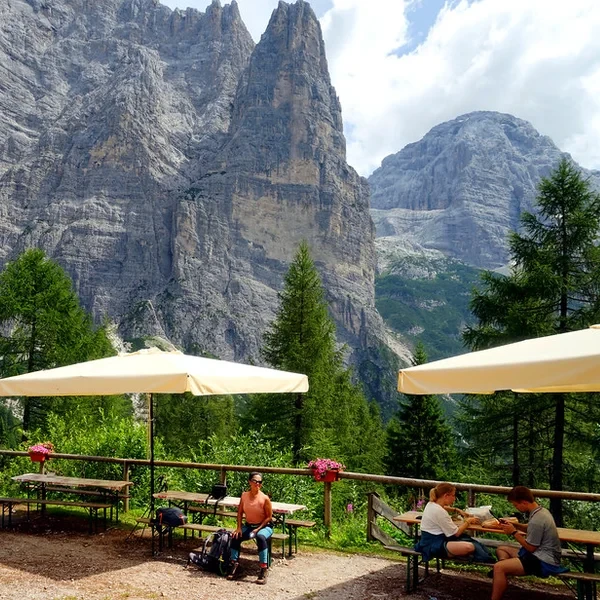
Many Dolomites rifugi sit at the start or end of protected climbing routes (vie ferrate), which means you will share the terrace with a mixed crowd of hikers and climbers. Do not be surprised to find harnesses, helmets, and ropes drying alongside hiking poles and trail shoes - it is part of the atmosphere that makes these places unlike any accommodation in the valley below.