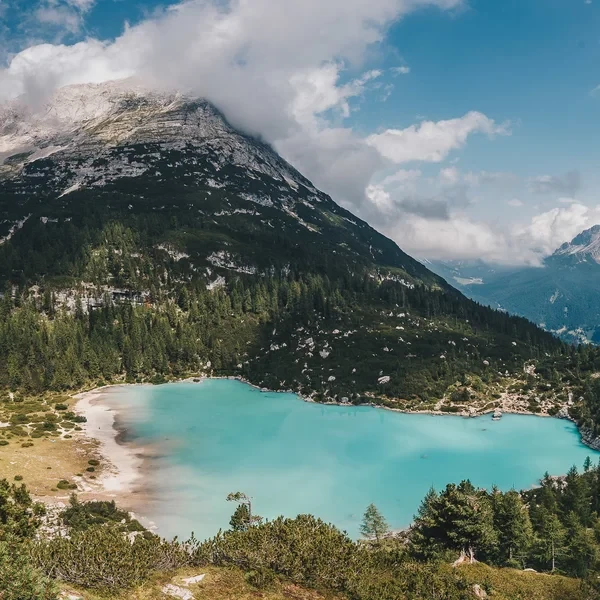
Lago di Sorapis
Lago di Sorapis is a glacial lake in the Sorapis group near Cortina d'Ampezzo (Anpezo). The trail from Passo Tre Croci covers 12.6 km7.8 mi round trip with 630 m2,067 ft of elevation gain through forest, scree, and cable-aided rock traverses. Medium difficulty - the cable-aided sections demand sure-footedness and a head for heights. It is one of the great photographic classics of the Cortina area, best reached early in the morning, before the crowds.
Table of Contents
Where Is Lago di Sorapis?
Lago di Sorapis sits in a tight cirque beneath the north face of the Sorapis group. The lake is hidden - you cannot see it from the road or the valley. It is reached on foot from Passo Tre Croci, a pass on the road between Cortina d'Ampezzo (Anpezo) and Misurina.
The Dito di Dio (Finger of God) - a freestanding rock spire rising directly from the lake's southeast shore - is the landmark you recognize from every photo. The lake's color shifts with light and season: deep turquoise in morning shade, milky aquamarine in direct sun.
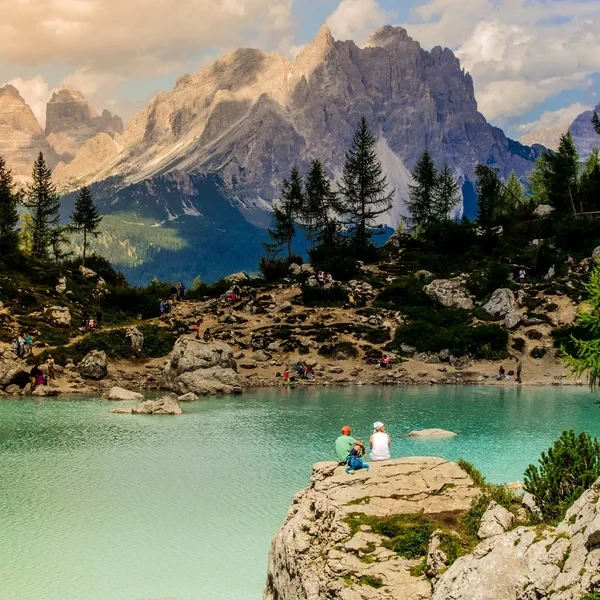
Which Trail Should You Take?
Option #1: Classic Out-and-Back (CAI 215)
Loading the map…
- Ascent
- 630 m 2,067 ft
- Descent
- 620 m 2,034 ft
- Highest point
- 2,274 m 7,461 ft
- Lowest point
- 1,734 m 5,689 ft
- The Goal: Reach the lake by the most direct route and return the same way.
- The Route Data:
- Start/End: Passo Tre Croci
- Sequence: Trail from Passo Tre Croci to Rifugio Vandelli, then a few minutes down to the lake shore
- Distance: 12.6 km7.8 mi round trip
- Elevation: +630 m2,067 ft ascent / -620 m2,034 ft descent
- Walking Time: 4.5-5.5 hours total (2-2.5 hours each way)
- The Reality: The first minutes through forest are deceptively easy - a smooth, gently graded path that gives no hint of what follows. Beyond the treeline, the trail narrows and crosses exposed scree slopes with fixed steel cables and metal pins set into the rock. One section is a narrow ledge with a vertical drop on one side and a cable fixed to the wall on the other. This is not technical climbing, but if you freeze on exposed ground, this hike is not for you. In high season, this passage can create queues on the cables. Start early or accept the wait.
Option #2: Extended Loop via Forcella Faloria
- The Goal: Avoid retracing your steps by returning via Forcella Faloria and the Faloria cable car.
- The Route Data:
- Start: Passo Tre Croci
- End: Faloria cable car top station, then the cable car to Cortina
- Sequence: Trail to Rifugio Vandelli, then over Forcella Faloria, descending to the Faloria station
- Walking Time: 6-7 hours
- The Reality: This version offers completely different scenery on the way back - panoramic views along the open ridge above the Ampezzo basin toward the Tofane and Cristallo. Forcella Faloria is one of the best viewpoints in the whole Cortina area. You will need to arrange transport from Cortina to Passo Tre Croci (DolomitiBus, see below, or a taxi). Check the opening dates of the Faloria cable car before committing to this route.
How to Get to Passo Tre Croci?
Passo Tre Croci is on the road between Cortina d'Ampezzo and Misurina.
Passo Tre Croci is served by bus in summer (see below).
Bus Access
In 2026, DolomitiBus line 51 linked Cortina, Passo Tre Croci and Misurina every day from 8 June to 9 September, according to the DolomitiBus timetable. Check the timetables on dolomitibus.it.
When Should You Visit and How to Check Conditions?
The Best Window
The hiking window depends on snow: before late June, snow patches can still block the cable-aided sections: check conditions before you go. Rifugio Vandelli announces an opening on 20 June 2027, according to its website.
July and August deliver the most reliable weather but also the worst crowds. The cable sections become a genuine bottleneck.
September is the best compromise - stable weather, golden larch forests, and fewer visitors.
Time of Day
Start early. An early start gives you the lake in morning shade (deeper color), the cables without a queue, and you are back down before the afternoon thunderstorms that are frequent in summer in the Sorapis group.
How to Check the Weather
Use Meteoblue's multi-model forecast for Passo Tre Croci. Pay attention to the "predictability" bar - when models disagree, the weather is unstable and you should have an escape plan. We provide a real-time forecast below.
What Rules Apply at the Lake?
Do not swim. The lake water is a fragile glacial system: avoid swimming or wading.
Dogs must be leashed, and camping, in tents or campers, is not allowed in the Parco Naturale delle Dolomiti d'Ampezzo, according to the park rules.
What About Rifugio Vandelli?
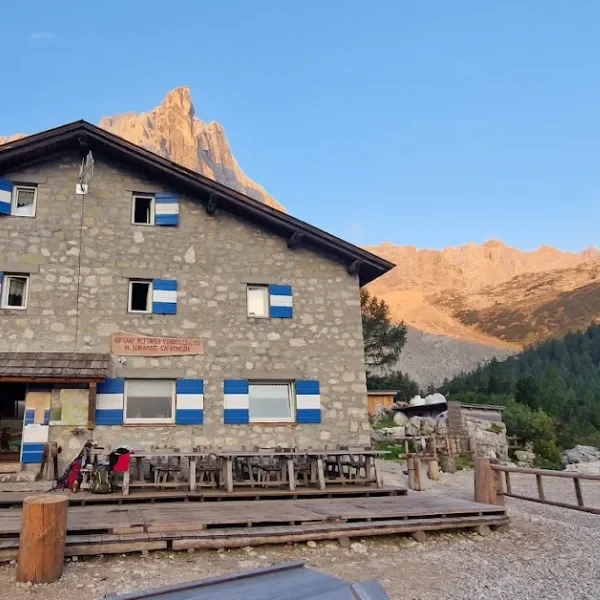
Rifugio Alfonso Vandelli sits at 1,926 m6,319 ft, according to the hut's website, a few minutes from the lake. It announces an opening on 20 June 2027; check the dates and book in advance.
For a deeper dive into how rifugios work - booking systems, what to bring, etiquette, and pricing - see our mountain hut guide.
What to Pack?
Footwear
The Recommendation: Sturdy trail runners with aggressive grip or lightweight approach shoes. The cable sections involve stepping on metal pegs and smooth rock - you need rubber that grips on polished limestone. Standard running shoes or fashion trainers are dangerous here. Trekking poles are highly recommended for the cable-aided descent - they take pressure off your knees on the steep, loose sections and help with balance on the exposed traverses.
Sun Protection
The Invisible Threat: The trail is partially shaded through forest, but the lake cirque is a natural sun trap - the pale limestone reflects light from all sides. SPF 50+ sunscreen, reapplied after the climb. Category 3 sunglasses. A peaked cap or wide-brimmed hat.
Clothing Strategy
Start in a light layer - the forest climb generates heat. Carry a wind-resistant mid-layer and a light waterproof. Afternoon thunderstorms in the Sorapis group are frequent in summer, and the temperature at the lake can drop fast when clouds roll in.
Hydration and Food
Carry at least 1.5 l50 fl oz of water. Ask the hut about food and pricing. Cash is the safest option - the card terminal may not work in bad weather.
How to Get the Best Photos?
The lake's Instagram fame is earned, but most posted photos look identical because people arrive at the same time and shoot from the same spot. Here is how to do better.
Best light: Early morning (07:30-09:30) when the cirque walls are in shadow but the lake surface catches indirect light. This is when the turquoise color is deepest and most saturated. Direct midday sun washes out the color and creates harsh reflections.
Best angle: The obvious viewpoint is the main shore where the trail arrives. For a more dramatic composition, scramble carefully along the east shore (marked with faint cairns) to position the Dito di Dio as a foreground element with the Sorapis glacier remnants behind. This angle is rarely photographed because most visitors do not venture past the main beach area.
Golden hour: If you are staying at Rifugio Vandelli overnight, the 30 minutes after sunrise turns the east-facing cliffs above the lake a deep orange. The lake is in full shadow at this point, creating a striking contrast between warm rock and cold blue water.
Gear note: A polarizing filter cuts the surface reflections and intensifies the turquoise. On a phone, shoot in the morning shade for the same effect naturally.
What Else Is Nearby?
If you are spending multiple days in the Cortina area, Lago di Sorapis pairs well with the Tre Cime di Lavaredo loop. Doing both hikes on consecutive days gives you two of the most iconic landscapes in the Dolomites from a single base. For seasonal planning, check our best time to visit the Dolomites guide.
Practical Info
We organize the logistics so you can focus on the trail. Get in touch with our experts today.
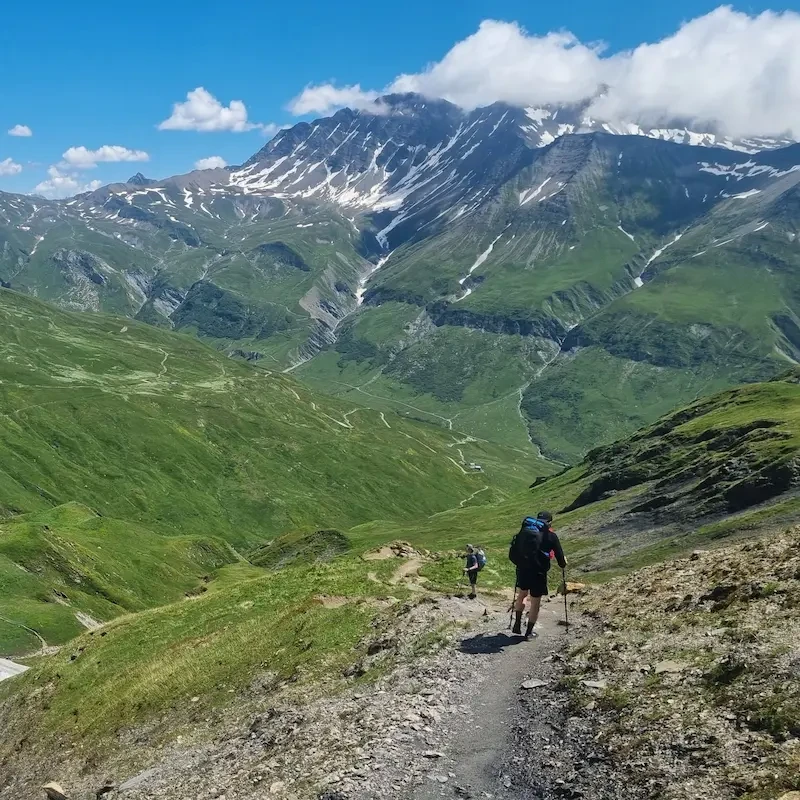
Direct contact with local Dolomites experts
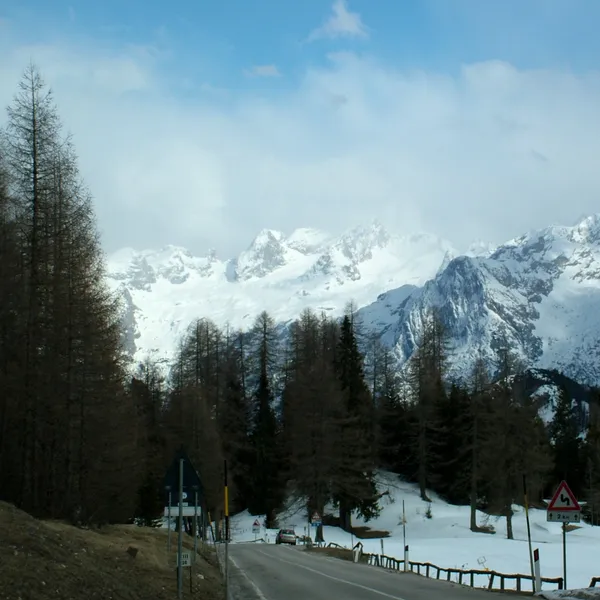
Nearest pass
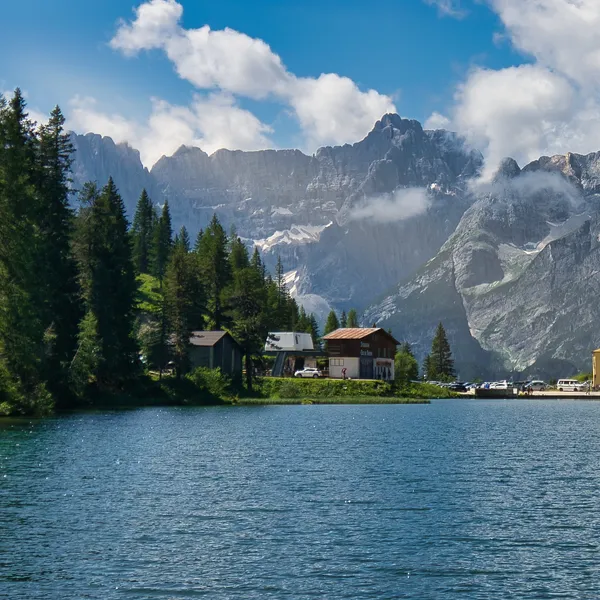
Huts on the route
Hiking base
Tours including this hike
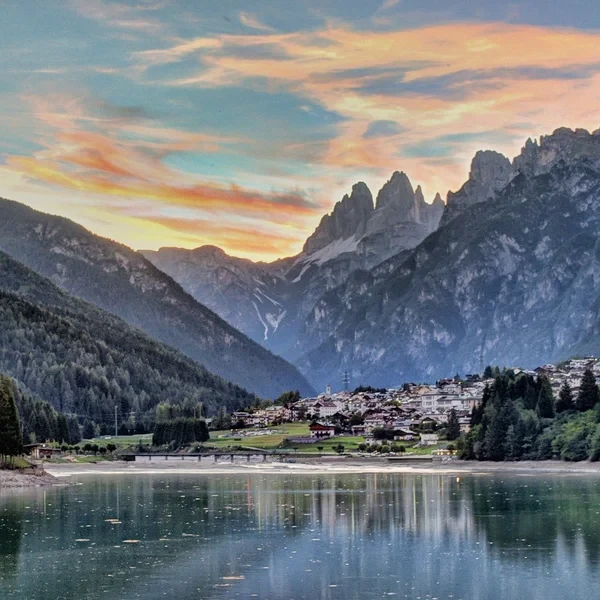
Dolomites Self-Guided Hiking around Cortina
A 7-day hotel-based hiking holiday around Cortina d'Ampezzo. Five day walks to Cinque Torri, the Tofane massif, Lake Sorapis and the iconic Tre Cime di Lavaredo circuit.
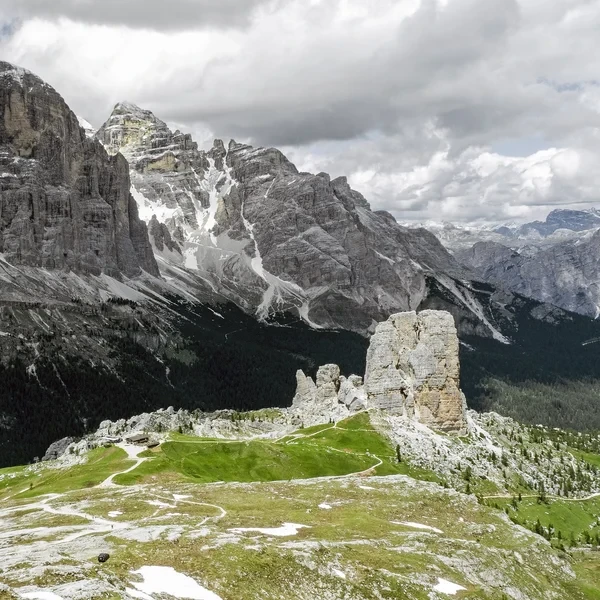
Guided Dolomites - Women Only
A seven-day women-only guided hiking week around Cortina d'Ampezzo, led by a female EU-certified guide. Cinque Torri, Tre Cime, Lake Sorapis, and the Tofane massif - hotel-based with all transfers.
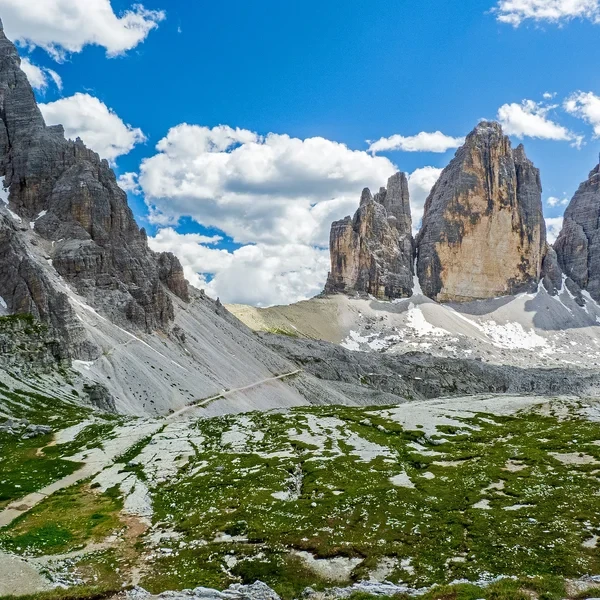
Guided Hiking in the Dolomites
Seven days of guided hiking around Cortina d'Ampezzo, visiting Cinque Torri, the Tofane massif, Tre Cime di Lavaredo, and Lake Sorapis. Hotel-based with half-board and all transfers included.
Explore More Treks
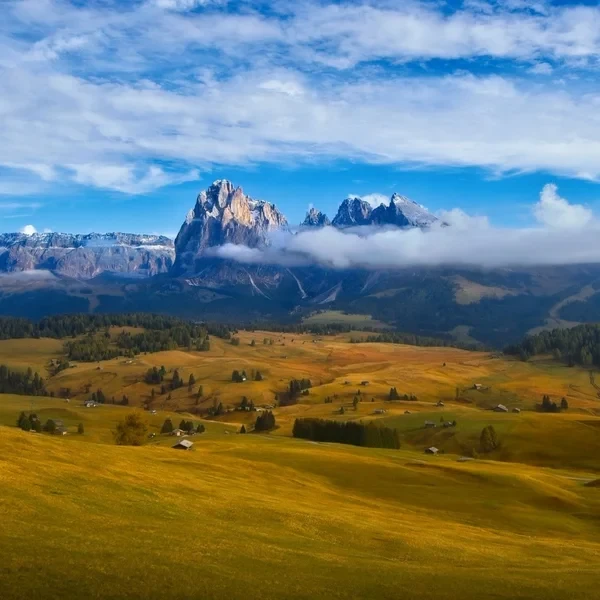
Alpe di Siusi
Experience the Alpe di Siusi (Seiser Alm), Europe's largest high-altitude alpine meadow. The Panorama Traverse offers a gentle yet spectacular circuit through emerald pastures, framed by the anvil-shaped Sciliar and the towering spires of the Sassolungo. Perfect for photographers and families alike.
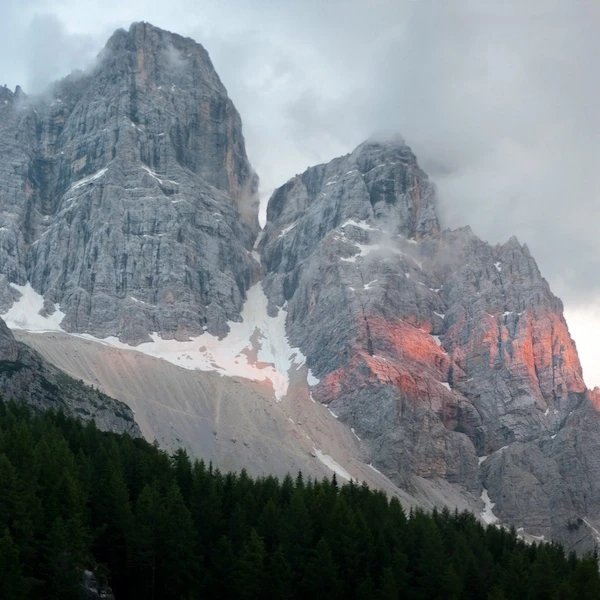
Alta Via 1
The definitive multi-day journey across the heart of the Dolomites. Spanning 118 km73.3 mi of rugged limestone terrain, this classic trek takes you from the emerald waters of Lago di Braies to the historic streets of Belluno, staying in world-class mountain huts along the way.
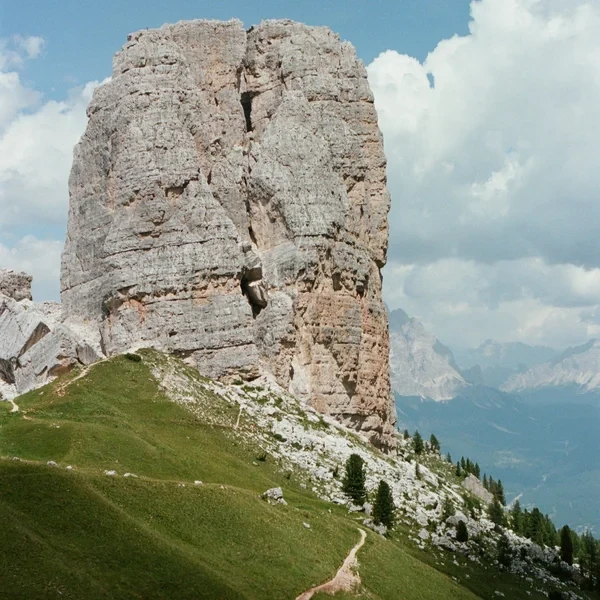
Cinque Torri
Explore one of the most famous rock formations in the Dolomites. This guide covers the WWI trenches, the loop around the five towers, and the climb to the historic Rifugio Nuvolau.
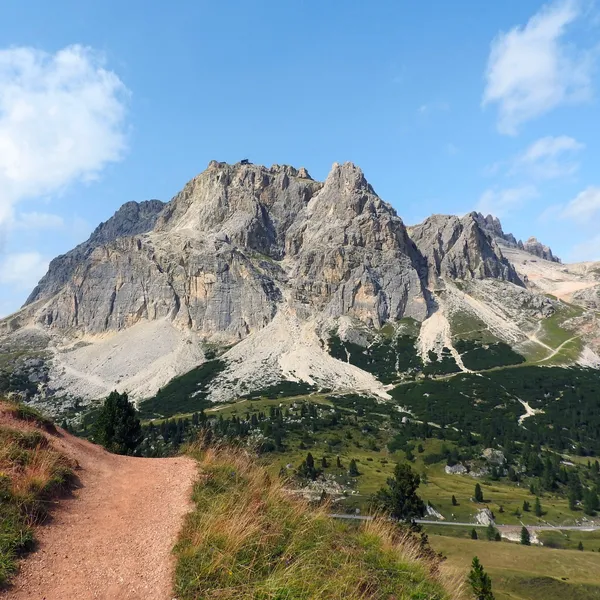
Lagazuoi
The walking loop from Armentarola via the Forcella Lagazuoi, the lake and Rifugio Scotoni, or the Passo Falzarego cable car and the descent through the Great War tunnel.
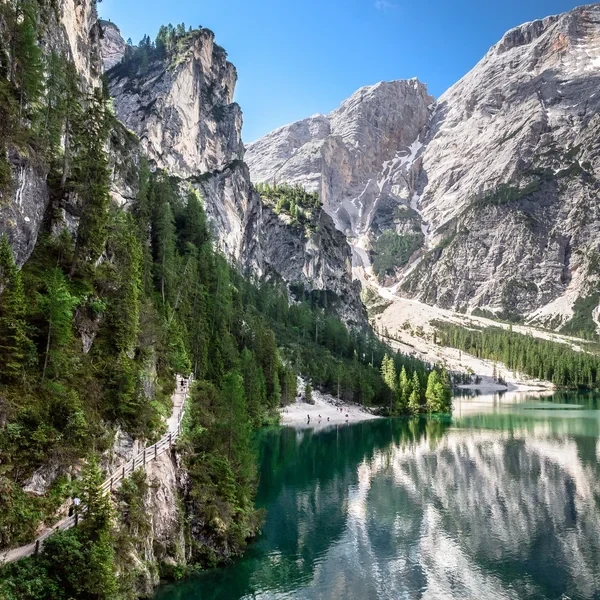
Lago di Braies
Visit the most famous lake in the Italian Dolomites. This guide covers the essential shoreline loop, the easy hike to Malga Foresta, and the 2027 parking and shuttle regulations.
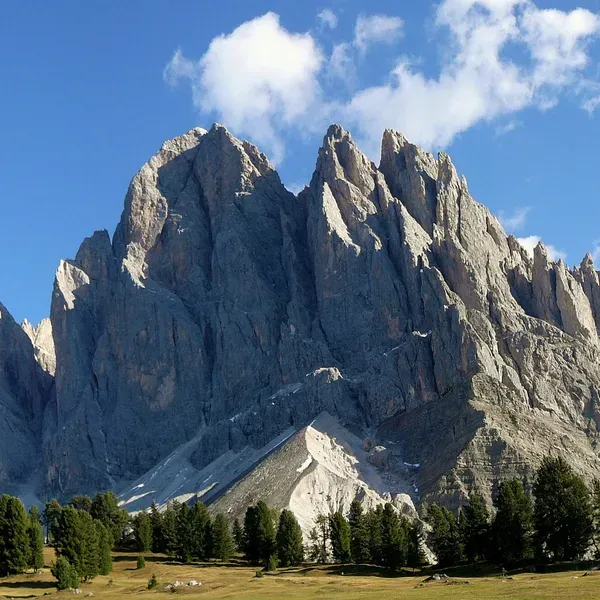
Adolf Munkel Trail
A loop from the Zannes car park, in Val di Funes, along the Adolf Munkel Trail in the Puez-Odle park: the long version, the short version, and how to park or come by bus.
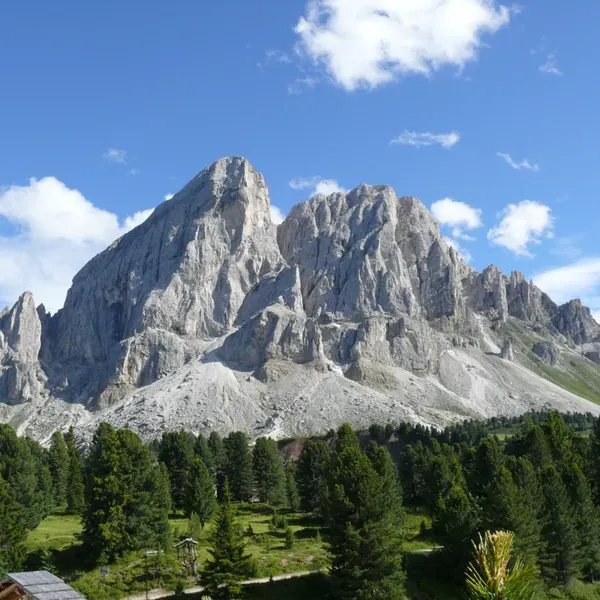
Sass de Putia Loop
The full Sass de Putia loop via the Passo delle Erbe, in the north of the Puez-Odle park: the climb to the Forcella, the huts on the east side, the short version and access by car or bus.
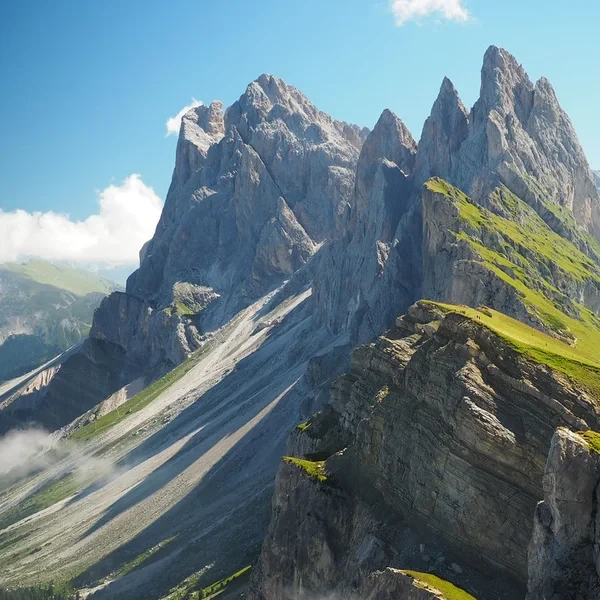
Seceda Ridgeline
Walk the most iconic ridgeline in the Dolomites, along the spine of the Odle above Val Gardena. Choose a short loop from the gondola (4 km2.5 mi) or a full-day circuit via Monte Pic da Cristauta (12.8 km8 mi), facing the Geisler spires.
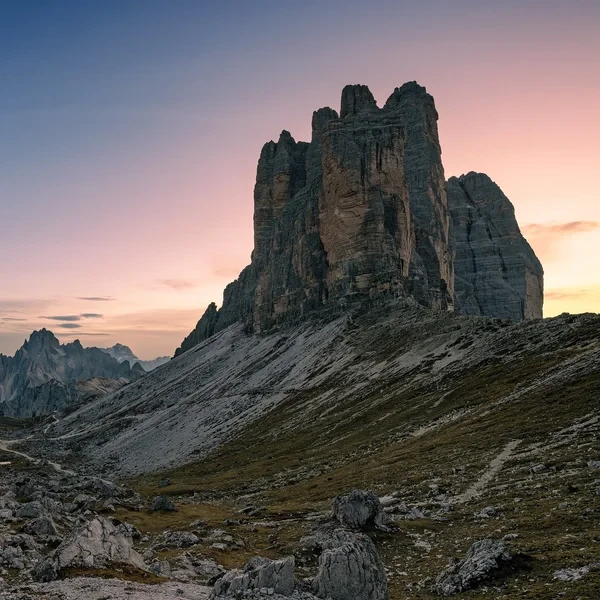
Tre Cime di Lavaredo Loop
Circle the most iconic monoliths in the Alps. This essential day hike brings you face-to-face with the dramatic north faces of the Three Peaks, traversing high-altitude scree fields in the heart of the Sesto Dolomites.
From our partner · 400+ Verified Traveler Reviews
"This trek is magnificent. The itinerary is perfect, and our guide was extraordinary - knowledgeable, attentive, and genuinely passionate about the Dolomites."
"Well-marked trails that avoid the crowded tourist spots, with real elevation changes that keep it interesting. The mountain hut stays were a highlight - the Italian food at every rifugio was outstanding."
"Our guide was super professional. The transportation was seamless, and the family-run hotel was very comfortable - a friendly and safe setting. I would do it again in a minute."
"Excellent itinerary, excellent guide. Every detail was handled perfectly and the route choices were spot on. Would do it again without hesitation."
"A spectacular trek through an exceptional mountain range. The route avoids the most crowded areas and the views are relentless. Be warned - the elevation changes are more demanding than you expect."
"A genuinely engaging trek that keeps you motivated day after day. The variety of landscapes - from green valleys to high rocky passes - is remarkable. Well organized from start to finish."
"I rate this trip 10 out of 10. The accommodation quality exceeded my expectations, and the staff were incredibly attentive - even accommodating my food allergies without any fuss."
"An extraordinary itinerary that lets you discover the Dolomites without overexerting yourself. The route is well-balanced with no technical difficulties, yet you still feel immersed in the high mountains."
"A great discovery for a first group hiking trip. The guide was excellent, the group was friendly, and the autumn weather gave us clear skies over the Dolomites nearly every day."
"A wonderful week in the mountains with an excellent guide who knew every trail and every shortcut. The hut-to-hut format made the logistics effortless - just walk and enjoy."
Decades of Alpine Expertise
Our partner agency has been operating in the Alps for over 40 years. Their team of passionate mountain experts knows every trail, every rifugio, and every season intimately.
Fully Protected Trips
Your investment is safe. We work exclusively with a licensed, bonded, and insured operator. 24/7 assistance and comprehensive travel insurance are included with every booking.
Handcrafted by Locals
No generic packages. Each itinerary is designed by a small team of travel experts who hike these trails themselves. Luggage transfers, dietary needs, and every logistical detail are handled for you.
A Real Team, Not a Call Center
A dedicated team of a dozen specialists is available before, during, and after your trip. You speak directly to the people who designed your route and know the terrain.