When Can You Actually Hike in the Dolomites?
Timing a trip to the Dolomites is not about finding “good” weather; it is about understanding when the terrain is actually accessible. Dolomites weather is dictated by altitude: the valley floors where villages like Cortina d’Ampezzo and Ortisei sit are located at approximately 1,200 m3,937 ft, and many popular trails reach well above 2,500 m8,202 ft, so snow is a factor for much of the year. If you arrive too early, you will be met with waist-deep snow and closed mountain huts (rifugi). Arrive too late, and the lifts stop running, leaving you stranded in quiet valleys.
Choosing the best time to visit the Dolomites depends entirely on whether you intend to hike, ski, or simply drive the mountain passes. Generally, the core summer hiking season is remarkably short, spanning only from mid-June to late September.
Current Dolomites Weather at a Glance
If you are checking Dolomites weather right now, the short answer depends on the calendar. From December to March, expect snow cover at every elevation, cool daytime temperatures in the valleys, and full ski operations. From April to early June, the mountains are in their messy shoulder season - too warm for reliable skiing, too snowy for high-altitude hiking, and most rifugi remain closed. From mid-June to late September, average daytime highs in Cortina run 17-22°C63-72°F, trails are open, and afternoon thunderstorms are the main risk. From October to November, temperatures drop quickly, larches turn gold, and lifts shut down in stages.
For a live forecast, Meteoblue is a good starting point for alpine microclimates, including on plateaus like the Alpe di Siusi.
What Are the Dolomites Like from March to May?

Dolomites in March: This is the tail end of the reliable ski season. While the valleys begin to show signs of spring, the Sellaronda and major ski circuits are usually in full swing. The summits remain significantly colder than the towns. This is a premier time for spring skiing, but it is a “no-go” for hikers as trails remain buried.
Dolomites in April: This is a difficult month for tourism. Ski resorts close on their own dates, and the summer season is still two months away. Some hotels shut down for their own holidays. The terrain is in a “mud phase” which is too slushy for skiing and too snowy for hiking.
Dolomites in May: This is the peak of the closed season and often the most disappointing month for visitors. Famous spots like Lago di Braies are typically in a state of melting slush rather than vibrant blue. Hikers will find the snow too soft for skis but far too deep for boots, making high-altitude trails completely impassable. High-altitude lifts remain closed.
When Is the Best Month to Hike the Dolomites?
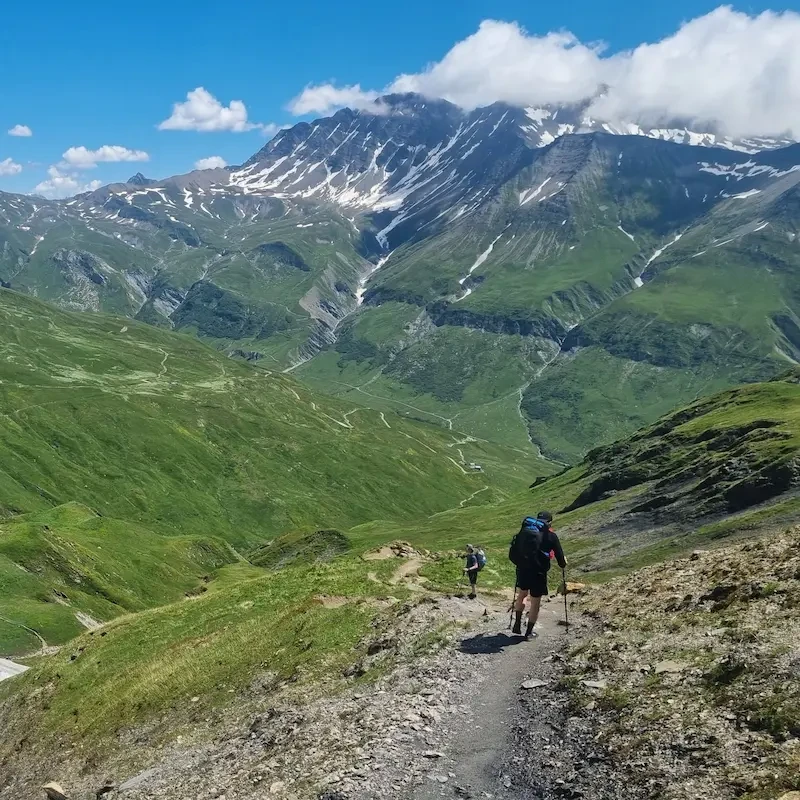
June: The mountains wake up. Most rifugi open in June, each on its own date: check it on its website. At higher elevations, such as the Passo Pordoi at 2,239 m7,346 ft, you will still encounter snow patches on north-facing slopes. You get the longest daylight hours and spectacular alpine wildflowers, but you must be prepared for technical hiking through lingering snow.
July and August: This is peak season. In August, the “Ferragosto” holiday brings massive crowds. Frequent, violent afternoon thunderstorms are the norm. Trails like the Tre Cime di Lavaredo loop become congested, and driving up the Tre Cime road (40 EUR$46 in 2026) is by online booking only. Ensure you are off high ridges by 14:00.
Is September the Best Time to Visit the Dolomites?
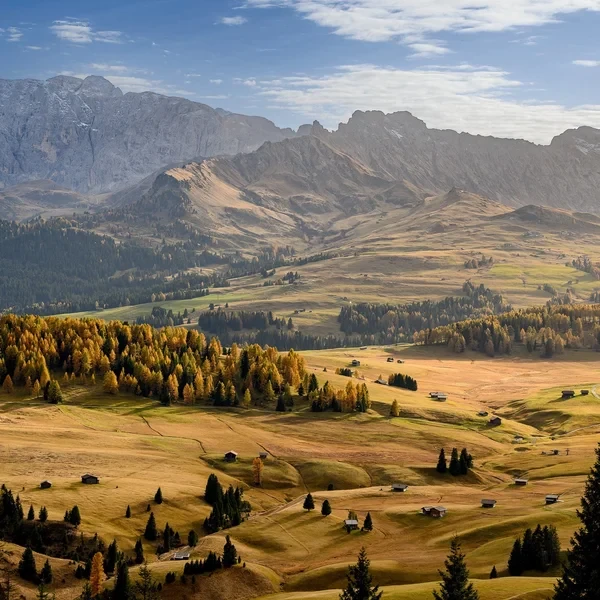
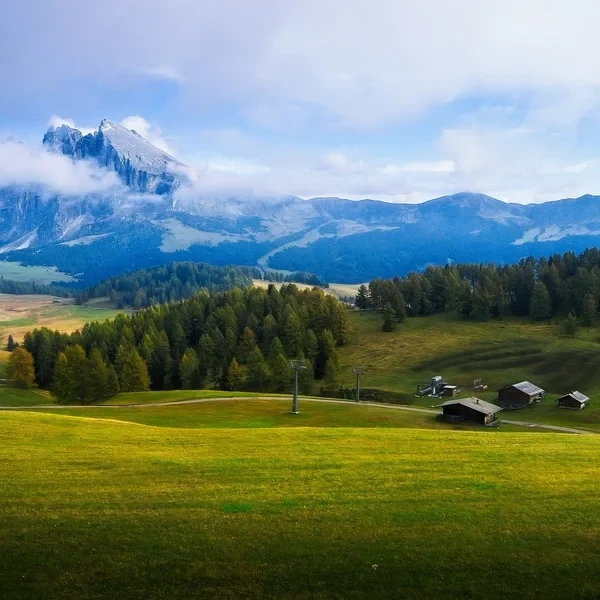
Dolomites in September: In our view, this is the absolute best time for hiking. The air is crisper, the visibility is significantly better than the hazy summer months, and the crowds thin after the first week. While many believe the golden colors appear now, the landscape remains largely green through September.
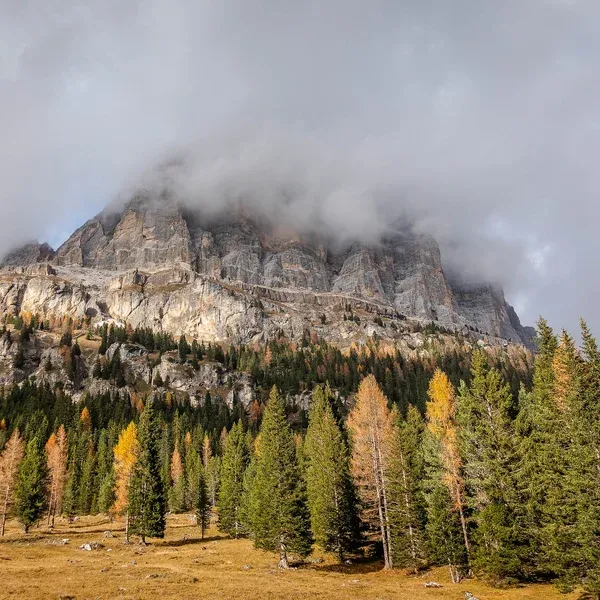
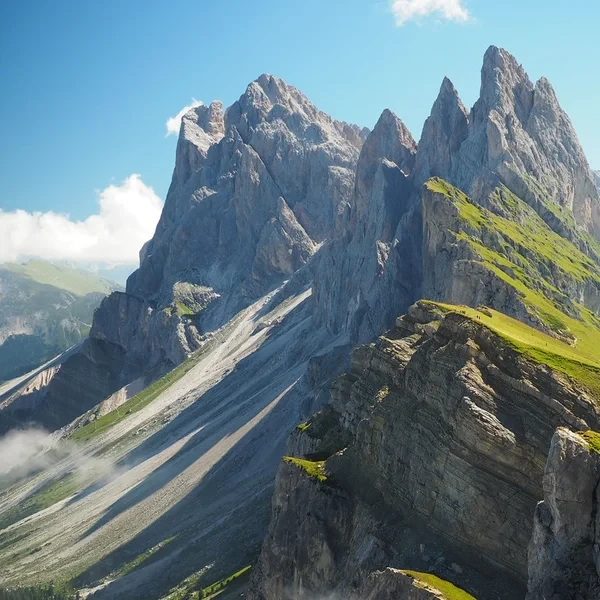
Dolomites in October: At Seceda, the operator publishes a 2026 season running until 2 November. This is the true “Golden Larch” season. The peak of the orange needles usually happens in mid-to-late October. Be aware that overnight temperatures at high-altitude huts will frequently drop below 0°C32°F.
Dolomites Weather by Month
The highs in this full-year table are the 1994-2025 averages of the Cortina d’Ampezzo station (1,271 m4,170 ft) recorded by ARPAV. At Faloria (2,235 m7,333 ft), expect roughly 7°C13°F less in summer.
| Month | Avg High (Cortina, ARPAV) | Trail Conditions | Crowd Level | Notes |
|---|---|---|---|---|
| January | 4°C39°F | Snow-covered | Medium (ski) | Peak ski season, shortest daylight |
| February | 5°C41°F | Snow-covered | High (ski) | Peak ski season, half-term crowds |
| March | 8°C46°F | Snow at altitude | Medium (ski) | Spring skiing, valleys thawing |
| April | 11°C52°F | Mud and slush | Very low | Ski resorts close on their own dates, some hotels shut |
| May | 16°C61°F | Impassable above 1,800 m5,906 ft | Very low | Rifugi closed, lakes still partly frozen |
| June | 20°C68°F | Opening, snow patches remain | Low | Rifugi open in June on their own dates, wildflowers bloom |
| July | 22°C72°F | Fully open | High | Afternoon thunderstorms, busy trails |
| August | 22°C72°F | Fully open, wet | Very high | Ferragosto crowds, frequent storms |
| September | 17°C63°F | Fully open, stable | Medium | Best month: crisp air, thinning crowds |
| October | 13°C55°F | Open early, snow late | Low | Golden larches mid-to-late, lifts shut in stages |
| November | 7°C45°F | Closed, first snow | Very low | Lifts closed, valleys damp and grey |
| December | 4°C39°F | Snow-covered | High (ski) | Ski season opens, Christmas markets busy |
What Else Should You Know Before Booking?
The Lift Factor: Do not assume the gondolas run year-round. Closing dates vary from one lift to the next: check yours. If you hike in late October, you must be prepared to gain all your elevation, often 800 m to 1,200 m2,624 ft to 3,937 ft per day, on foot.
The Booking Clock: If you want to stay in a high-demand hut like Rifugio Lagazuoi, book as early as you can. Rifugio Locatelli (Drei Zinnen Hütte) is one of the hardest to book: requests open at the start of the year and are registered from mid-February, online only on the hut’s website.
The Recommendation: Aim for the “Sweet Spot” during the last two weeks of June for flowers, or the first two weeks of September for hiking stability and manageable crowds. If you are weighing the Dolomites against other Alpine destinations, our comparison of the Dolomites versus the Alps covers the key differences. Keep at least €50$58 in cash for mountain dairy farms (Malga) where connectivity is limited.