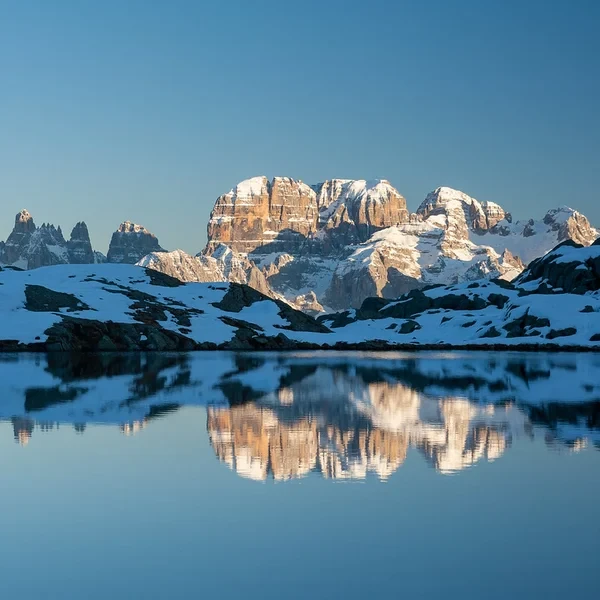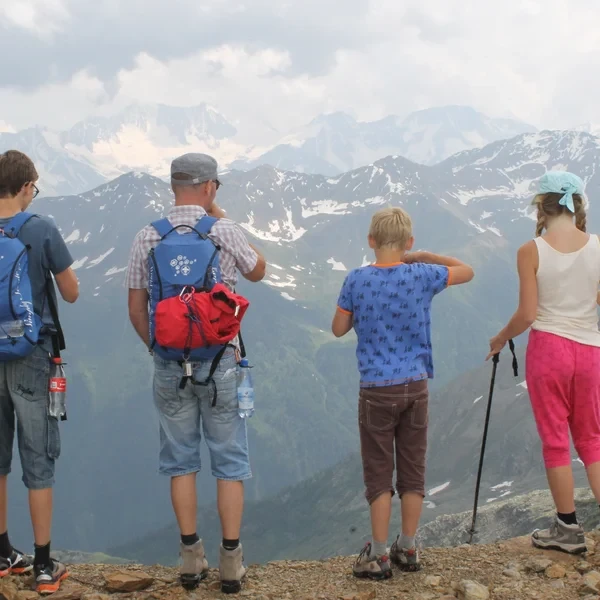
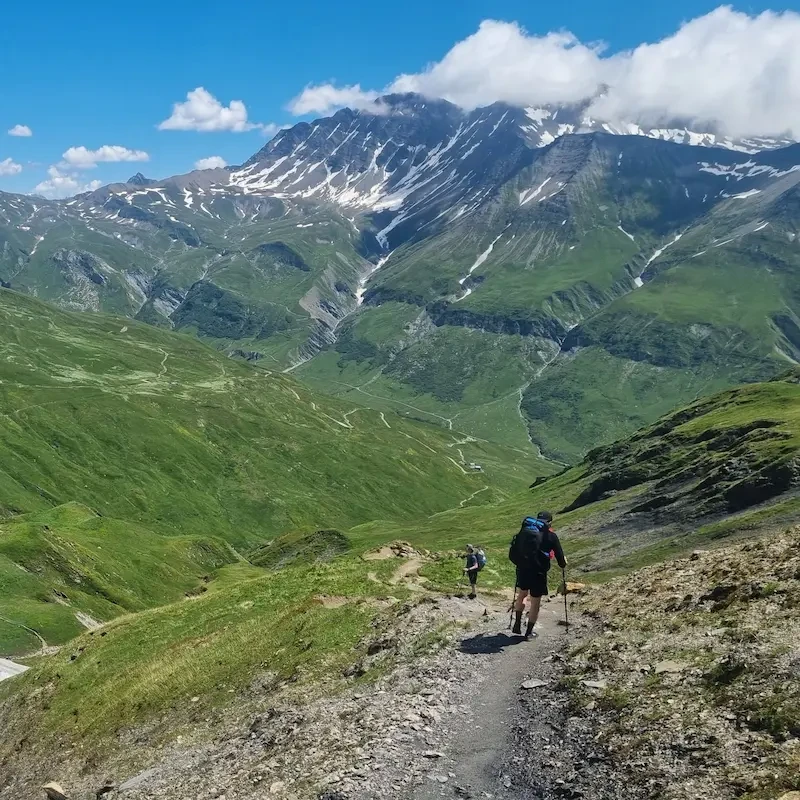
Which Trails Are Actually Suitable for Children?
The Dolomites span an enormous range of terrain - from flat meadow walks to vertical via ferratas requiring harnesses and upper-body strength. Most parents make the mistake of searching “Dolomites hike” and clicking the first result, which is usually the Tre Cime di Lavaredo (Drei Zinnen) circuit. Technically doable for older children, it is a 10 km6.2 mi loop with 400 m1,312 ft of elevation change that routinely breaks children under 8 by hour two.
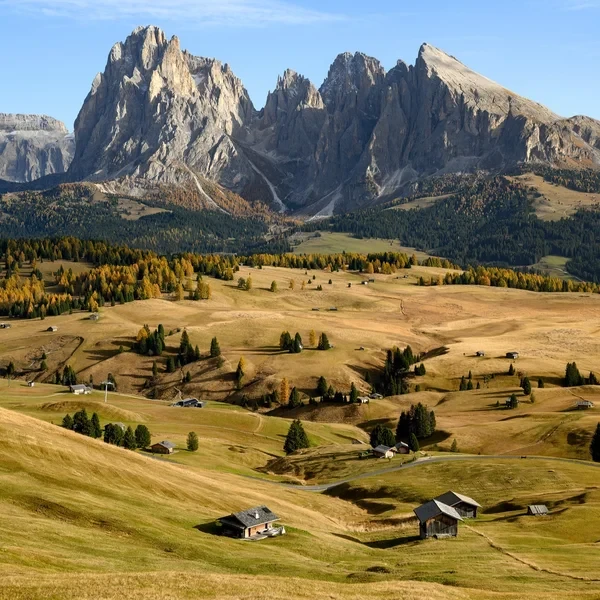
For kids aged 3-6, the correct starting point is Alpe di Siusi (Seiser Alm): the largest high-altitude alpine meadow in Europe, served by a gondola from Siusi (Seis). The terrain is flat to gently rolling, trails are wide and well-marked, and you can turn back at any point without committing to a loop. The walk from the upper gondola station toward Rifugio Dialer involves minimal elevation gain.
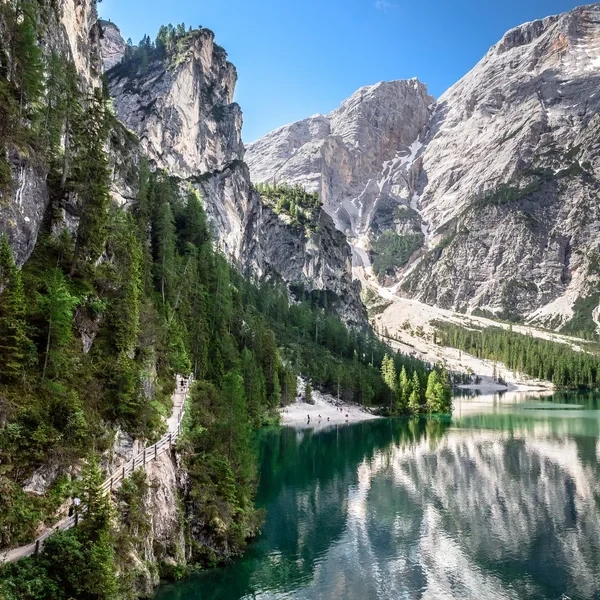
For ages 7-10, the Lago di Braies (Pragser Wildsee) lakeside loop is nearly flat. The lake sits electric turquoise against grey limestone walls - visually striking enough to hold a child’s attention without needing them to understand geology. Come early: in July, car access to the valley is regulated from 09:00 to 16:00 (2026 dates), see our access booking guide.
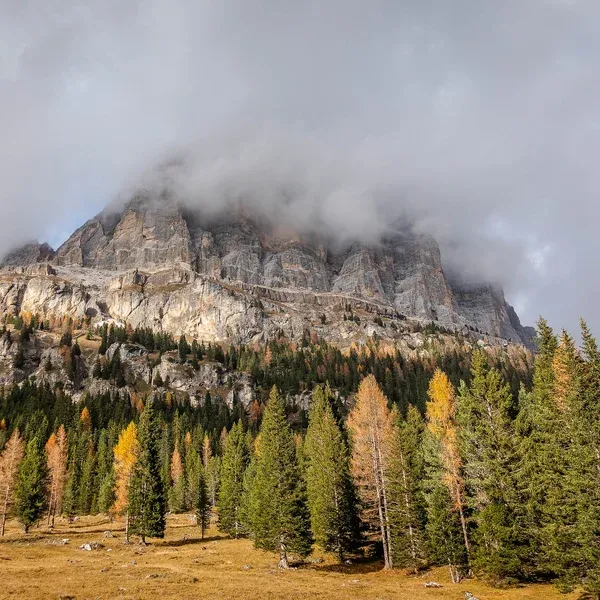
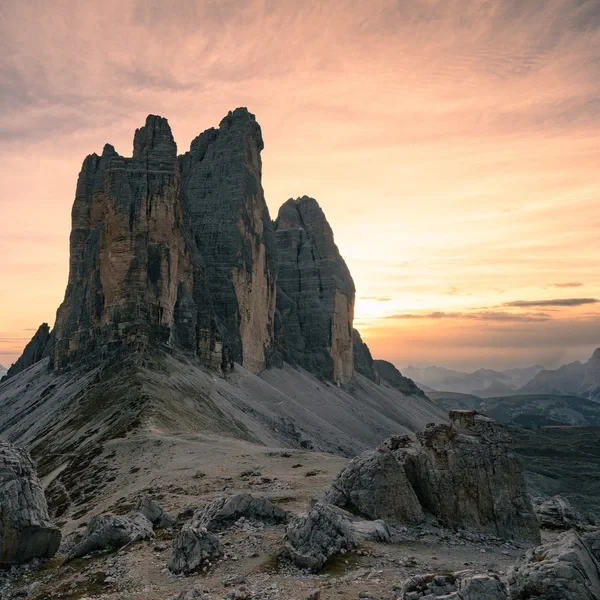
For confident kids aged 10 and above, the Tre Cime circuit (Drei Zinnen Runde) is achievable: 10 km6.2 mi, 400 m1,312 ft elevation gain, with the option to drive to the Rifugio Auronzo at 2,333 m7,654 ft and start from there, by advance online booking (40 EUR$46 per car in 2026). Do not underestimate altitude fatigue. Children are not immune to altitude headaches - watch for irritability and loss of appetite above 2,000 m6,562 ft.
Detailed route guides covering exact parking, start times, and seasonal access are available for Alpe di Siusi, Lago di Braies, Cinque Torri, and Tre Cime di Lavaredo. For an overview of all difficulty levels, see our best hikes guide.
How Young Is Too Young for the Dolomites?
There is no minimum age - but there is a minimum fitness requirement for whoever is carrying the child. A toddler in a carrier frame adds 10-15 kg22-33 lbs to your back and changes your balance on uneven terrain. This is workable on groomed trails with no exposed sections. It is not workable on scree paths or above treeline on rocky ridges.
The realistic breakdown:
- Under 3: Carrier only. Stick to gondola-accessed plateaus like Alpe di Siusi (Seiser Alm) or the Passo Pordoi viewpoint, where a short walk from the cable car is enough.
- Ages 3-6: Short loops under 5 km3.1 mi with minimal elevation gain. Gondola access is essential - do not plan routes that start with a 600 m1,969 ft ascent on foot.
- Ages 7-10: Can manage 8-10 km5-6.2 mi days with elevation changes up to 400 m1,312 ft if they are regularly active at home.
- Ages 10+: Full-day adult-pace hiking is possible. Factor in a slower pace on descents - children’s knees fatigue faster than adults on long downhills.
One non-negotiable: Children overheat and dehydrate faster than adults at altitude. Carry 0.5 l17 fl oz of water per child per hour of hiking, and stop every 45 minutes regardless of whether they ask for a break. By the time a 6-year-old tells you they are thirsty, they are already dehydrated.
What Should Kids Carry - and What Should Parents Carry?
Give children their own pack from age 5. A 5-8 l305-488 cu in daypack with their own water bottle and a snack creates investment in the hike. Their pack should never exceed 10% of their body weight.
Parent pack priorities:
- Sun protection: SPF 50+ stick sunscreen (easier application than lotion for wriggling children), plus Category 3 sunglasses for kids. Reapply every 90 minutes, not just at the trailhead. The pale limestone of the Dolomites reflects UV radiation back upward - children get hit from both above and below.
- Emergency layers: Alpine weather turns in 20 minutes. Pack a full rain jacket and a mid-layer fleece for each child, regardless of the morning forecast.
- Food strategy: Sugary snacks spike and crash. Bring nuts, cheese, and bread. Reserve the chocolate for summit motivation only.
- First aid minimum: Blister plasters (kids develop blisters faster than adults in new boots), antihistamine cream, and a whistle per child.
Boot reality: Children’s mountain boots are expensive and grow out of fast. Renting in Cortina d’Ampezzo or Ortisei (St. Ulrich) is a practical option for a one-off trip. Confirm the rental shop stocks kids’ sizes before you arrive - not all of them do. Never attempt a rocky trail in sports trainers or sandals.
Which Rifugios Are Worth It for Families?
Not all rifugios welcome children with equal enthusiasm. Huts along the Alpe di Siusi (Seiser Alm) plateau are built for high visitor volume and have the space for families. Rifugio Bolzano (Schlernhaus) on the Sciliar (Schlern) plateau has dormitory and private room options and is accessible via a walk from the gondola.

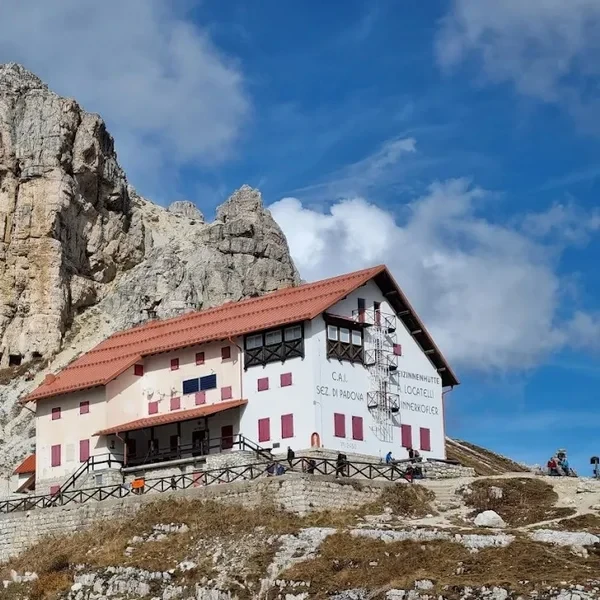
Rifugio Auronzo, at the base of the Tre Cime approach, has a self-service cafeteria - fast, simple food, indoor seating with views of the north faces. It is not an “experience” hut, but it is functional when you have hungry children who cannot wait 40 minutes for a full menu.
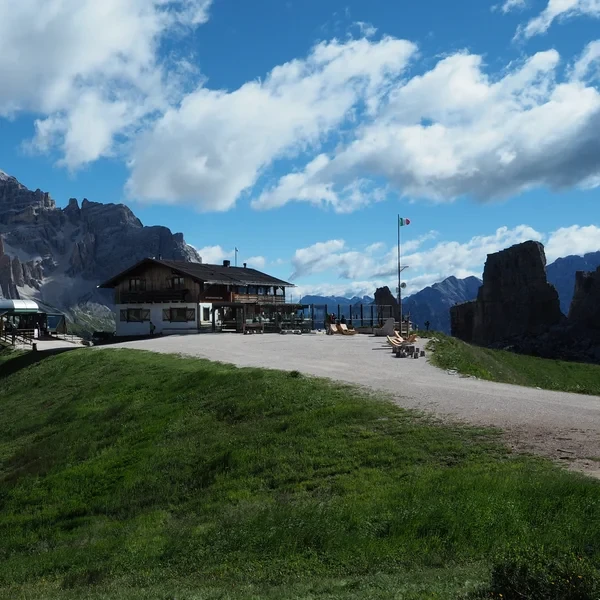
Rifugio Scoiattoli at 2,255 m7,398 ft in the Cinque Torri area near Cortina d’Ampezzo is one of the most family-friendly huts in the Dolomites. It is reachable by chairlift (open in 2026 from 6 June to 11 October), which means even children who are not hiking can reach it. The terrace faces the five rock towers directly. Food service is reliable, the menu includes simple pasta dishes for children, and there is enough flat ground around the hut for small children to roam without exposure risk.
Book rifugio lunch stops by phone or via their websites ahead in peak season. Budget more for meals than in the valley. Many huts on smaller trails are cash-only, and card terminals fail in cloud cover. For a deeper dive into how rifugios work - booking systems, what to bring, etiquette, and pricing - see our mountain hut guide.
What Can Kids Do Beyond the Hiking Trails?
The Dolomites are not purely a hiking destination for families. Two alternatives work well for children who need variety or have hiked out by day three.
The Dobbiaco-Cortina Cycle Path
The Dobbiaco (Toblach) to Cortina d’Ampezzo cycle path is 30.7 km19.1 mi of gravel path, slightly uphill to the south, built on a former railway bed. It passes the Lago di Dobbiaco, the war cemetery, the Three Peaks viewpoint (Landro) and the Dürrensee - no hiking ability required. For young children, one stretch is enough. Check with the Dobbiaco tourist office (drei-zinnen.bz) before you set out: trail status, bike rental, return.

Adventure Parks
Parco Avventura rope parks operate near most major resort towns. The parks near Ortisei (St. Ulrich) and San Candido (Innichen) offer treetop obstacle circuits, with low courses for the youngest. Height minimums are posted clearly at each circuit entrance. Ask each park for its prices. These parks are a practical backup when afternoon storms close the trails early.

What Are the Biggest Mistakes Parents Make?
Starting too late. The most common error, by far. Be on the trail by 08:30-09:00 at the latest in summer. By midday, car parks are full, huts are crowded, and afternoon thunderstorms are building. A 09:00 start on the Tre Cime typically gives you the trail to yourselves for the first hour. An 11:00 start puts you in the middle of several hundred other hikers.
Underestimating altitude. The Dolomites are high mountains. If your children live near sea level, the first day at altitude will be slower and more tiring than expected. Build a low-altitude acclimatisation day into the itinerary before attempting any multi-hour hike above 2,000 m6,562 ft.
Over-optimistic distance planning. A fit adult averages 4 km2.5 mi per hour on flat alpine terrain. A 6-year-old averages 2 km1.2 mi per hour. A 10 km6.2 mi loop you estimate at 2.5 hours will take 5 hours with young children. Add 30 minutes per child under 8 to any time estimate.
Ignoring the weather window. The official forecasts come from the Province of Bolzano weather service for South Tyrol and from the ARPAV Dolomiti Meteo bulletin for Veneto, including Cortina and Belluno. Check both on the morning of your hike. If either shows thunderstorm probability above 40% after 13:00, shorten your route or move the hike to the early morning and plan an indoor afternoon. Lightning above treeline is not a manageable risk with children.
When Is the Best Time to Bring Kids to the Dolomites?
Late June and September are the right windows. Mid-July through August is peak season: queues build at the gondolas and rifugios fill up fast. All season, the Tre Cime road is reachable by car only with a paid online booking on the Auronzo di Cadore portal, which means fixing the day in advance or taking the shuttle instead.
In late June, the snow has cleared from most mid-altitude trails and wildflowers are at their peak. September brings cooler temperatures that are easier on children than August heat, consistent lower crowds, and the same trail access.
For a detailed month-by-month breakdown, see our best time to visit the Dolomites guide.
Avoid school holiday overlap. Italian Ferragosto and the Austrian and German school holidays all converge in the Dolomites in high summer. This window is the hardest to navigate as a family in terms of logistics, cost, and trail congestion. If this is the only time you can travel, book rifugios well in advance and arrive at trailheads no later than 08:00.