Alpe di Siusi
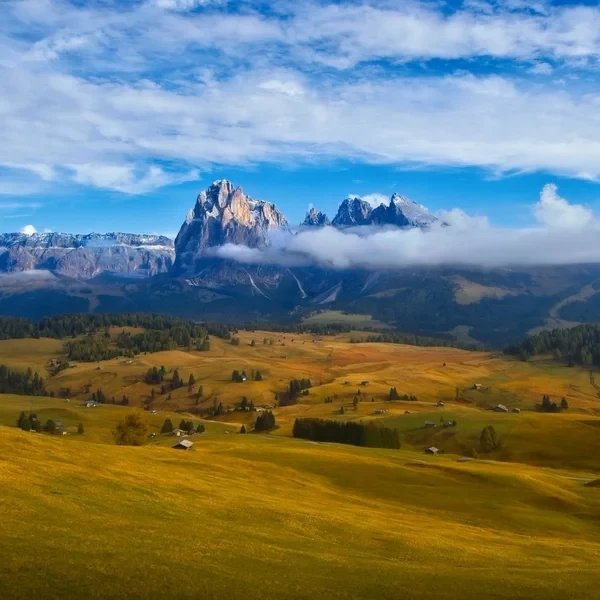
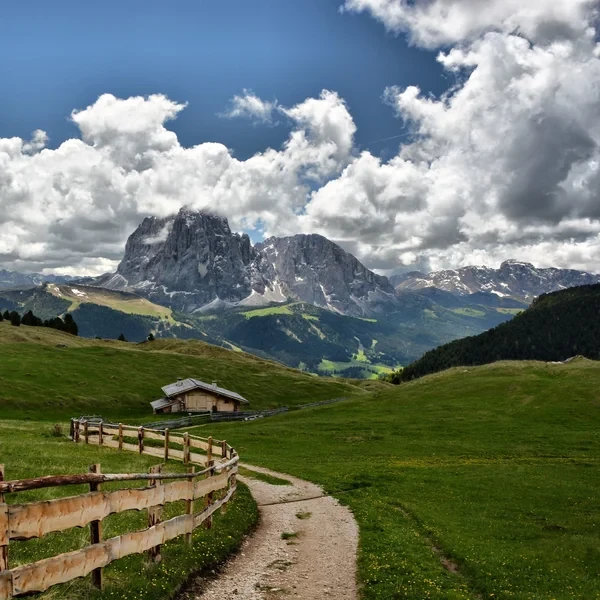
The Alpe di Siusi (Seiser Alm) is the largest high-altitude alpine meadow in Europe, spanning 56 square kilometers of rolling green pastures framed by the dramatic Sassolungo and Sciliar massifs. Unlike the jagged limestone peaks elsewhere in the Dolomites, this plateau offers a vast, open landscape lying between 1,800 m5,906 ft and 2,300 m7,546 ft. The Panorama Traverse is a customizable circuit that provides a 'swivel seat' perspective of the region, making it the definitive destination for photographers, families, and hikers seeking world-class scenery without extreme vertical technicality.
Table of Contents
What is the Alpe di Siusi (Seiser Alm)?
The Alpe di Siusi - known in German as the Seiser Alm - is the largest high-altitude alpine meadow in Europe. It spans roughly 56 km²22 sq mi of rolling pasture in the western Dolomites of South Tyrol, Italy, perched between the valleys of Val Gardena and Val d'Ega. Both names refer to the same place: Italian speakers use "Alpe di Siusi", German speakers use "Seiser Alm", and the bilingual Ladin region uses both interchangeably.
Unlike the jagged limestone towers that define most of the Dolomites, this is a vast, open plateau. According to the regional tourist board, it lies at altitudes between 1,800 m5,906 ft and 2,300 m7,546 ft.
The Siusi gondola runs from 22 May to 2 November in 2026, and the hiking season largely depends on it.
Where is the Alpe di Siusi Located?
The Alpe di Siusi is situated in the western Dolomites, perched high above the villages of Ortisei (St. Ulrich), Siusi (Seis), and Castelrotto (Kastelruth). It functions as a natural amphitheater, with the massive, anvil-shaped Sciliar (Schlern) to the west and the towering spires of the Sassolungo (Langkofel) to the east.
The landscape seen today is an alpine pasture shaped by mountain farming.
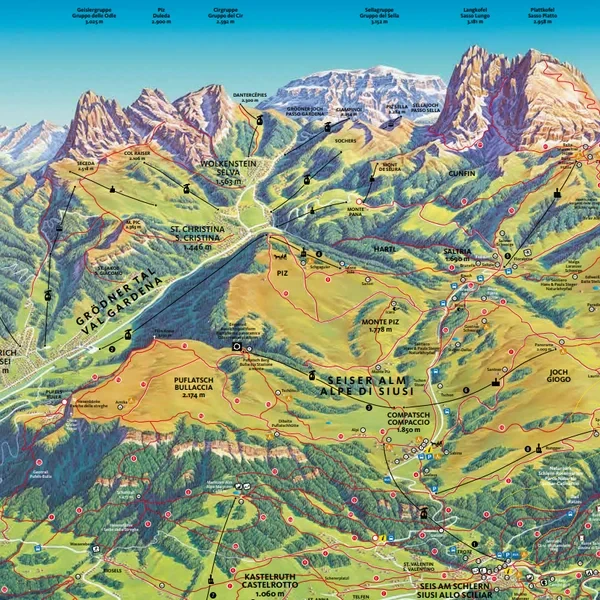
Which Trail Experience Should You Choose?
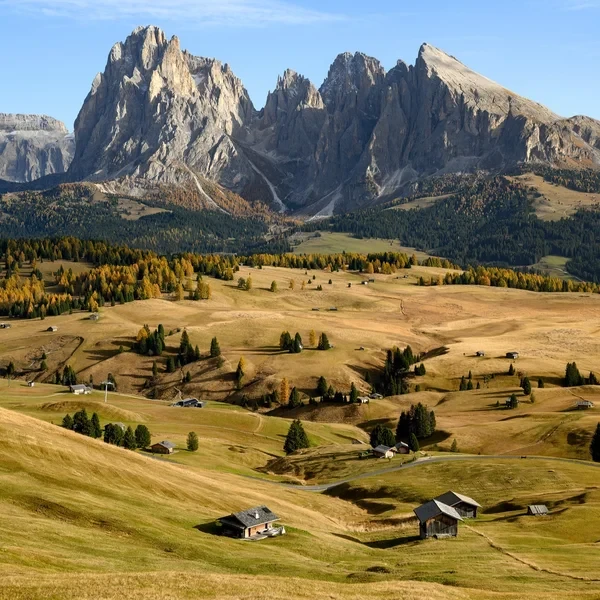
Option #1: The "Grand Meadow" Panorama Traverse (The Icon)
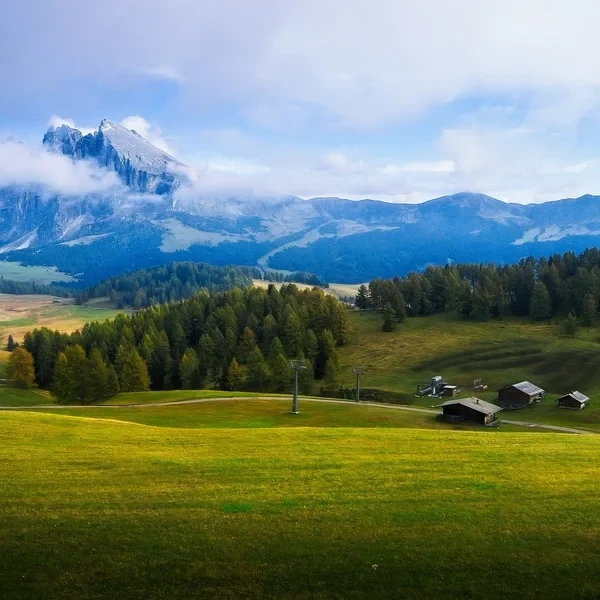
- The Goal: To immerse yourself in the vastness of Europe's largest alpine meadow, completing a massive circuit of the central plateau.
- The Route Data:
- Start/End: Compatsch (Loop)
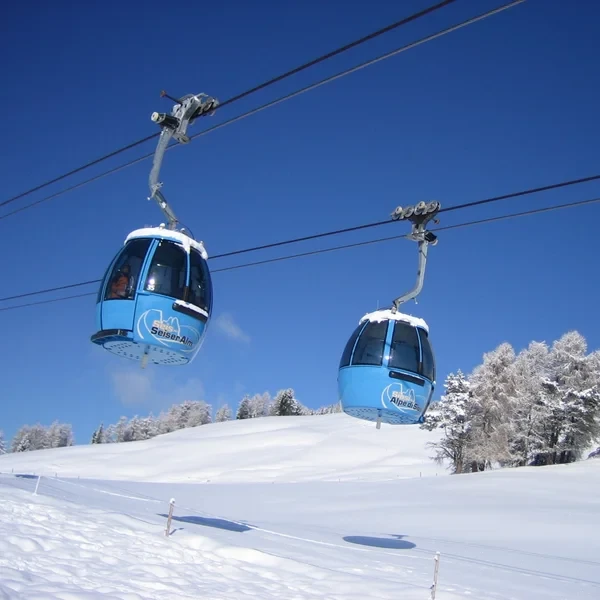
- How to get to the start: Take the blue Seiser Alm Aerial Cableway from the town of Siusi (Seis) up to Compatsch. The hike begins the moment you exit the top station.
- Sequence: Compatsch -> Malga Sanon -> Saltria -> back to Compatsch
- Distance: 15 km9.3 mi
- Elevation: +450 m1,476 ft ascent / -450 m1,476 ft descent.
- The Reality: This is the definitive full-day loop. You start at the Compatsch hub, hike deep into the plateau toward the towering Sassolungo, hit the valley floor at Saltria, and gently climb back toward Compatsch. It requires endurance, but the terrain consists of wide gravel and paved paths.
Loading the map…
- Ascent
- 450 m 1,476 ft
- Descent
- 450 m 1,476 ft
- Highest point
- 2,006 m 6,581 ft
- Lowest point
- 1,674 m 5,492 ft
Option #2: The "Edge of the World" (Puflatsch / Bullaccia Circuit)
- The Goal: Dramatic, sheer-drop views that contrast with the flat meadow.
- The Route Data:
- Start/End: Compatsch (Loop)
- How to get to the start: Take the blue Seiser Alm Aerial Cableway from Siusi to Compatsch, then head for the Puflatsch promontory.
- Sequence: Complete clockwise circle around the Puflatsch promontory.
- Distance: 8 km5 mi
- Elevation: +250 m820 ft ascent / -250 m820 ft descent.
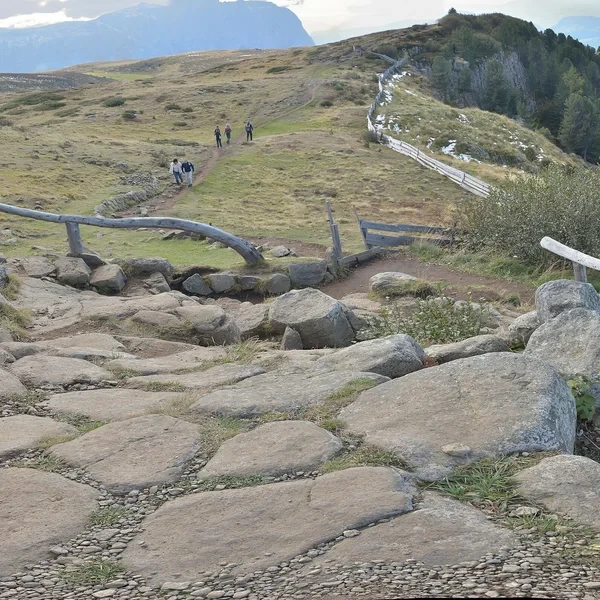
- The Highlight: The trail leads to the northern cliff edge and the Hexenbänke (Witches' Benches). These strange rock formations sit on the brink of a sheer drop, offering a 360-degree panorama over the village of Castelrotto and the jagged Odle peaks.
Loading the map…
- Ascent
- 238 m 781 ft
- Descent
- 242 m 794 ft
- Highest point
- 2,150 m 7,054 ft
- Lowest point
- 1,913 m 6,276 ft
Is the Alpe di Siusi Stroller-Friendly?
Yes, absolutely. It is the most accessible high-alpine terrain in the Dolomites. Unlike the rocky paths of Tre Cime, many primary routes here are wide, hard-packed gravel or even paved service roads. The main corridor from Compatsch toward Saltria is perfectly suited for all-terrain strollers. For detailed trail recommendations by age group, see our complete family hiking guide.
How to Get To Alpe di Siusi?
In peak season, car access to the Alpe di Siusi is regulated. This is the most confusing point for visitors.
The Compatsch Driving Ban (ZTL Rules)
In peak season (summer 2026), the road from Siusi up to the plateau (Compatsch) is closed to private vehicles between 09:00 and 17:00, according to the Alpe di Siusi tourist board. It is open to private vehicles before 09:00 and after 17:00.
- Early Access: To reach the parking lots with your own vehicle, you must arrive before 09:00: P1 Spitzbühl (15 EUR$17/day) or P2 Compatsch (30 EUR$35/day).
- Booking Required: Since summer 2026 the parking space (P1 and P2) must be reserved online in advance on the Alpe di Siusi portal, up to six days before arrival. Parking is banned between 23:00 and 05:00. Guests staying on the plateau receive a special permit issued in advance by their hosts.
- Camping: Camping is prohibited on the Alpe di Siusi and will be fined. If you are not staying at a hotel on the plateau, do not attempt to drive up during the restricted window.
Reaching the Plateau by Gondola
A convenient way to access the trails is the gondola. In 2026, the Siusi gondola runs from 22 May to 2 November, from 08:00 to 18:00 until 6 June, from 08:00 to 19:00 from 7 June to 6 September, then from 08:00 to 18:00 until 2 November. An adult one-way ticket costs 21 EUR$24, a return ticket 30 EUR$35.
- From Ortisei (Mont Sëuc Gondola): It lifts you from Ortisei toward the plateau. Do not confuse this with the separate Furnes-Seceda cable car, which also starts in Ortisei but goes to Seceda ridge, not to the plateau.
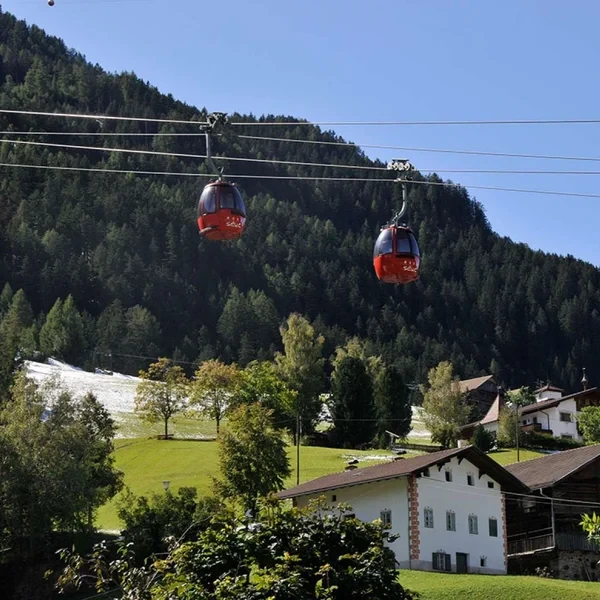
Alpe di Siusi Mont Sëuc Gondola - From Siusi allo Sciliar (Seiser Alm Gondola): This lands in Compatsch, the main logistical hub of the plateau, in about 15 minutes. It is the best starting point for the Puflatsch circuit or for families requiring stroller-friendly paths.
Alpe di Siusi Seiser Alm Gondola
Using the Alpe di Siusi Express (Bus 10)
If you miss the 09:00 driving cutoff and prefer not to use the gondola, the Line 10 bus (Seiser Alm Express) reaches the Alpe di Siusi.
When Should You Visit & How to Check Conditions?
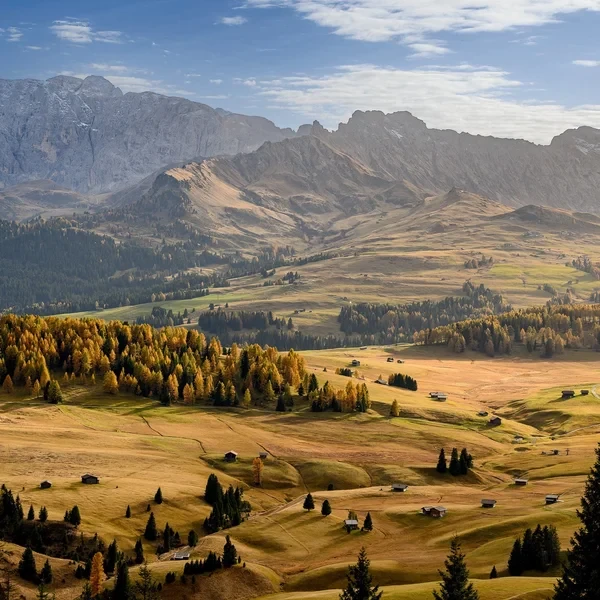
The Best Season: Blooms vs. Gold
- Late June to Early July: This is the "Bloom Window." The meadows are carpeted in alpine wildflowers (gentians, orchids, and rhododendrons). It is visually the most vibrant time to visit.
- Late September to October: The "Golden Season." The air is exceptionally clear, and the larch trees turn a brilliant yellow. The crowds disappear, and the temperatures are ideal for longer treks.
How to Check the Weather
The plateau creates its own microclimate. Clouds often "sit" on the meadows even when the valleys are clear.
- Live Forecast: We provide a real-time 4-day forecast, powered by Meteoblue, for the Alpe di Siusi below.
What Essentials Must Be in Your Pack?
Footwear: The "Morning Dew" Factor
Heavy, stiff leather mountaineering boots are overkill for the rolling terrain of the Alpe di Siusi and will only weigh you down.
- The Recommendation: Lightweight "Approach Shoes" or sturdy trail runners are the optimal choice.
- The Wet Grass Trap: If you hike early in the morning, the tall alpine grass will be soaked in dew. Non-waterproof mesh sneakers will leave you with wet feet. Opt for a waterproof shoe with a lugged sole, as wet grass on a descent is slippery.
Sun Protection: The "Meadow" Risk
Unlike the forested valleys below, the central plateau is almost entirely devoid of tree cover. You will be exposed to direct sunlight for the entire duration of your hike.
- The Invisible Threat: The cool alpine breeze often masks the heat, leading hikers to underestimate the sun. At altitude, UV radiation is stronger.
- Mandatory Gear: SPF 50+ sweat-resistant sunscreen (reapplied every two hours), a wide-brimmed hat, and Category 3 sunglasses.
Clothing Strategy: The Thunderstorm Rule
The Alpe di Siusi is notoriously prone to rapid, violent afternoon thunderstorms, particularly in July and August.
- The Lightning Hazard: On a flat, open plateau, you are often the tallest object around. You do not want to be caught miles from a hut in a storm.
- The Layering System: Always pack a lightweight, fully waterproof hard-shell jacket (not just a windbreaker). Bring a moisture-wicking synthetic base layer; avoid cotton, which stays wet and cold when the wind picks up.
Hydration & Hut Logistics
Because the plateau is dotted with world-class mountain huts (Schwaigen), you do not need to carry a heavy backpack full of meals.
- Water: While there are huts, the walking distances between them across the vast meadow are deceiving. Carry at least 1.5 l50 fl oz of water per person. The dry mountain air accelerates dehydration silently.
- Cash is King: Some smaller huts do not accept credit cards: carry cash as a precaution.
What are the Culinary Highlights?
The Alpe di Siusi is widely considered the gastronomic heart of the Dolomites. Unlike the rugged, high-altitude stone shelters found on peaks like Tre Cime, the huts here are known as Schwaigen (traditional Tyrolean dairy farms). Because the plateau has a rich agricultural history, the culinary quality rivals high-end valley restaurants.
The "Must-Visit" Mountain Huts
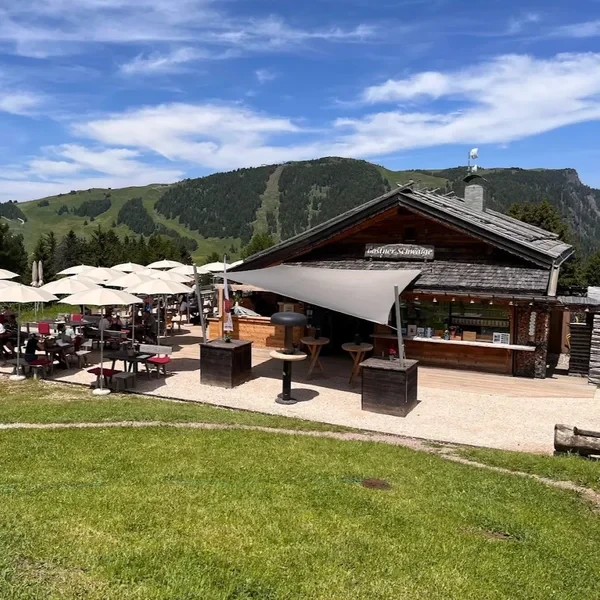
- Gostner Schwaige: This tiny, rustic hut is a true culinary destination.
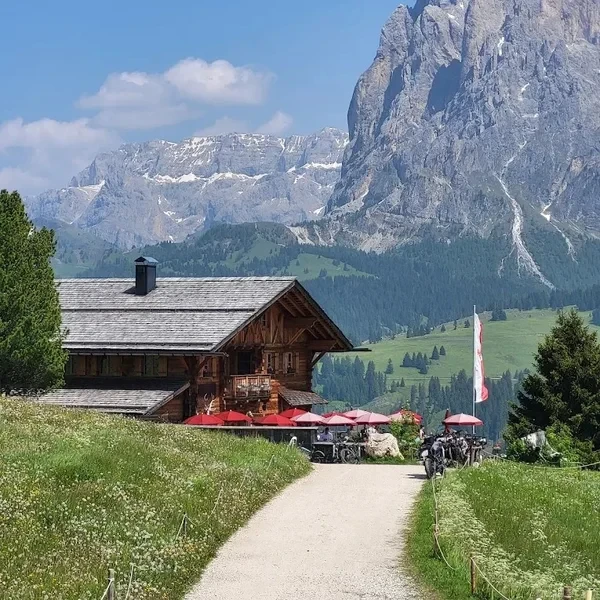
Rauchhütte in the Alpe Di Siusi - Rauchhütte: If you want a premium dining experience, this is the location, on a terrace that perfectly frames the Sassolungo.
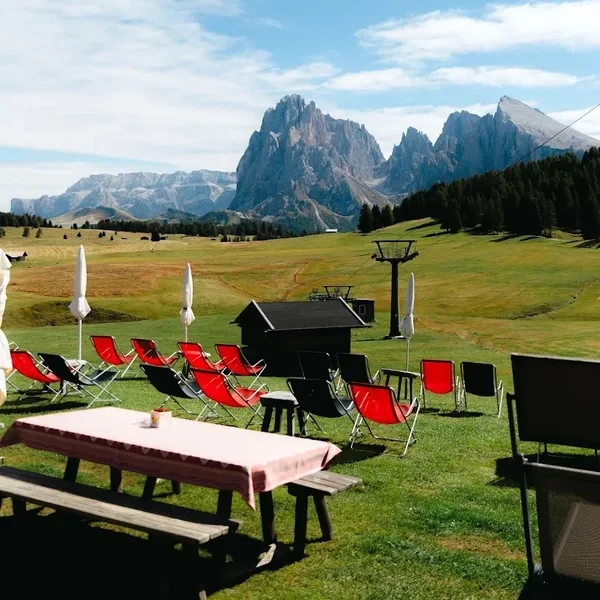
Malga Sanon in the Alpe Di Siusi - Malga Sanon: The stop for traditional Tyrolean comfort food, nestled deep in the rolling plateau.
The Peak Season Dining Trap
In peak season, these highly rated huts fill up fast: ask and book ahead with the hut if possible, or avoid the lunch peak.
Practical Info
We organize the logistics so you can focus on the trail. Get in touch with our experts today.
Direct contact with local Dolomites experts
Hiking base
Tours including this hike
Grande Traverse of the Dolomites - Bolzano to Cortina
A 10-day self-guided traverse from Bolzano to Cortina crossing the Rosengarten, Alpe di Siusi, Puez-Odle plateau, Lagazuoi and the Tre Cime di Lavaredo - all with refuge half-board throughout.

Grande Traverse: Verona to Venice
An 11-day guided traverse from Verona to Venice through the heart of the Dolomites. Rosengarten, Alpe di Siusi, Puez-Odle, Lagazuoi, and Tre Cime di Lavaredo - refuges throughout with cultural city bookends.
Explore More Treks
Alta Via 1
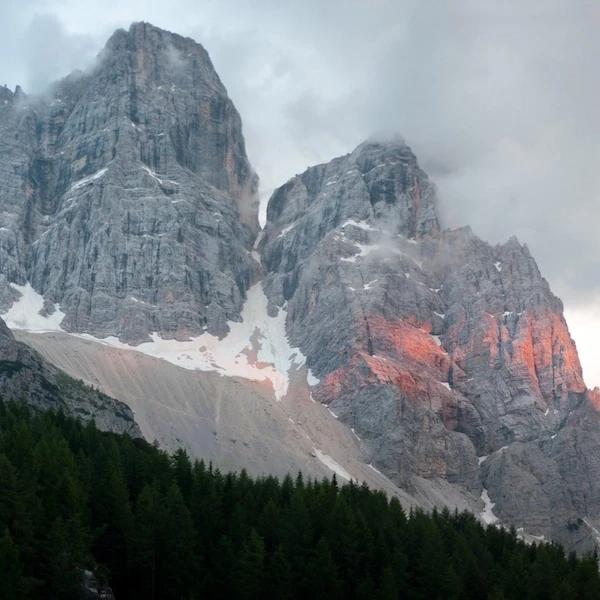
The definitive multi-day journey across the heart of the Dolomites. Spanning 118 km73.3 mi of rugged limestone terrain, this classic trek takes you from the emerald waters of Lago di Braies to the historic streets of Belluno, staying in world-class mountain huts along the way.
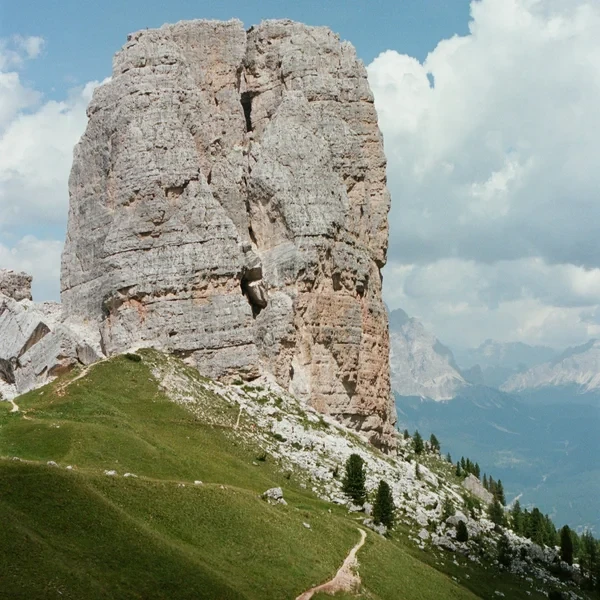
Cinque Torri
Explore one of the most famous rock formations in the Dolomites. This guide covers the WWI trenches, the loop around the five towers, and the climb to the historic Rifugio Nuvolau.
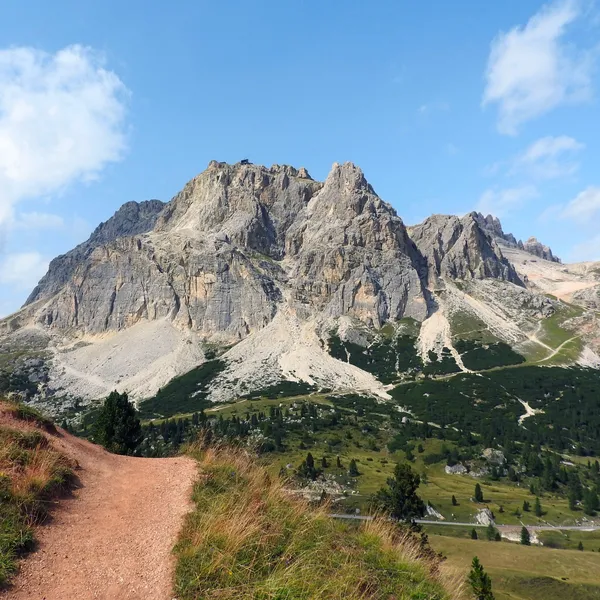
Lagazuoi
The walking loop from Armentarola via the Forcella Lagazuoi, the lake and Rifugio Scotoni, or the Passo Falzarego cable car and the descent through the Great War tunnel.
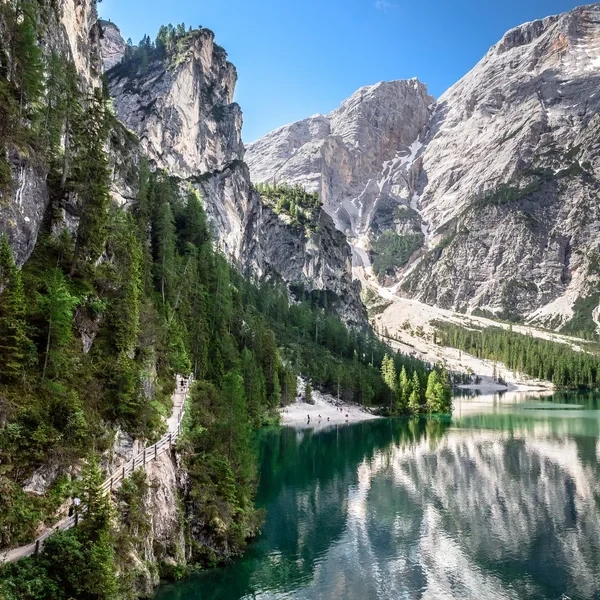
Lago di Braies
Visit the most famous lake in the Italian Dolomites. This guide covers the essential shoreline loop, the easy hike to Malga Foresta, and the 2027 parking and shuttle regulations.
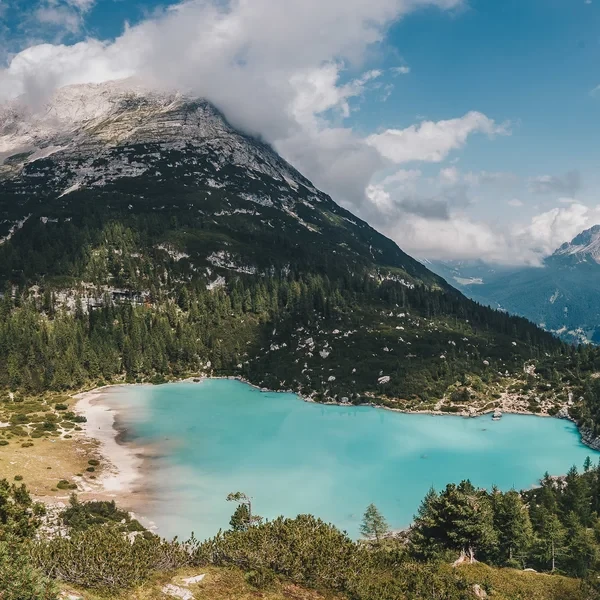
Lago di Sorapis
A glacial turquoise lake hidden beneath the Sorapis massif near Cortina d'Ampezzo. The trail from Passo Tre Croci crosses cable-aided rock traverses to reach one of the most photographed spots in the Dolomites.
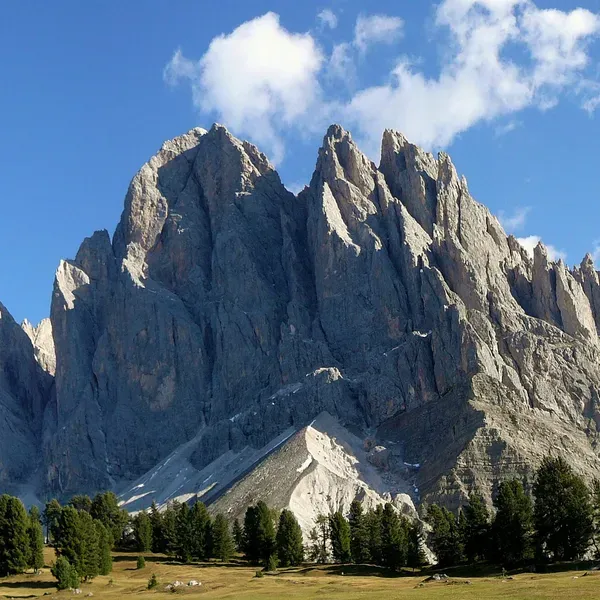
Adolf Munkel Trail
A loop from the Zannes car park, in Val di Funes, along the Adolf Munkel Trail in the Puez-Odle park: the long version, the short version, and how to park or come by bus.
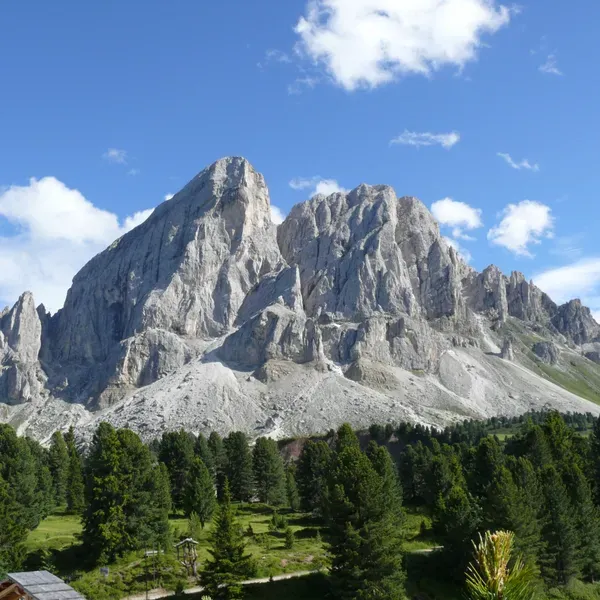
Sass de Putia Loop
The full Sass de Putia loop via the Passo delle Erbe, in the north of the Puez-Odle park: the climb to the Forcella, the huts on the east side, the short version and access by car or bus.
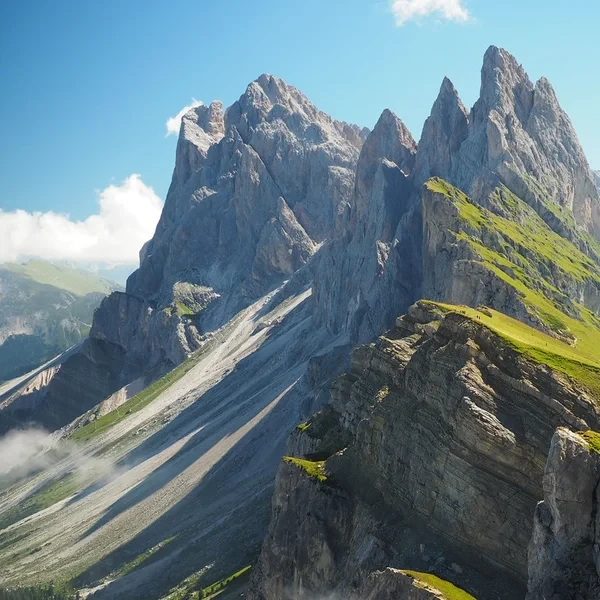
Seceda Ridgeline
Walk the most iconic ridgeline in the Dolomites, along the spine of the Odle above Val Gardena. Choose a short loop from the gondola (4 km2.5 mi) or a full-day circuit via Monte Pic da Cristauta (12.8 km8 mi), facing the Geisler spires.
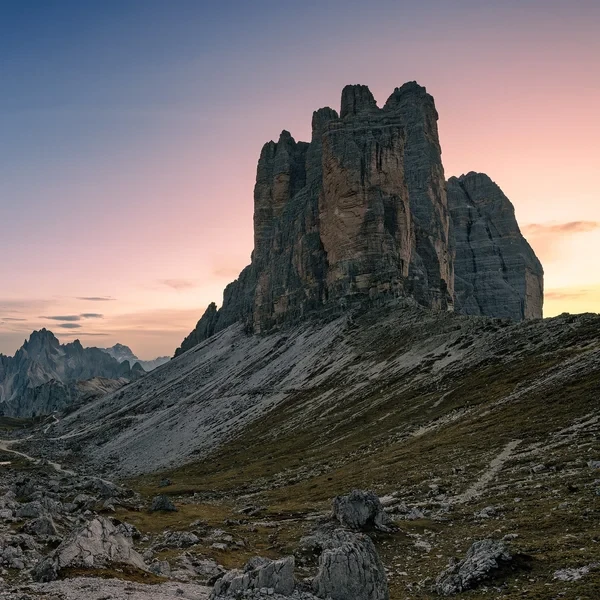
Tre Cime di Lavaredo Loop
Circle the most iconic monoliths in the Alps. This essential day hike brings you face-to-face with the dramatic north faces of the Three Peaks, traversing high-altitude scree fields in the heart of the Sesto Dolomites.
From our partner · 400+ Verified Traveler Reviews
"This trek is magnificent. The itinerary is perfect, and our guide was extraordinary - knowledgeable, attentive, and genuinely passionate about the Dolomites."
"Well-marked trails that avoid the crowded tourist spots, with real elevation changes that keep it interesting. The mountain hut stays were a highlight - the Italian food at every rifugio was outstanding."
"Our guide was super professional. The transportation was seamless, and the family-run hotel was very comfortable - a friendly and safe setting. I would do it again in a minute."
"Excellent itinerary, excellent guide. Every detail was handled perfectly and the route choices were spot on. Would do it again without hesitation."
"A spectacular trek through an exceptional mountain range. The route avoids the most crowded areas and the views are relentless. Be warned - the elevation changes are more demanding than you expect."
"A genuinely engaging trek that keeps you motivated day after day. The variety of landscapes - from green valleys to high rocky passes - is remarkable. Well organized from start to finish."
"I rate this trip 10 out of 10. The accommodation quality exceeded my expectations, and the staff were incredibly attentive - even accommodating my food allergies without any fuss."
"An extraordinary itinerary that lets you discover the Dolomites without overexerting yourself. The route is well-balanced with no technical difficulties, yet you still feel immersed in the high mountains."
"A great discovery for a first group hiking trip. The guide was excellent, the group was friendly, and the autumn weather gave us clear skies over the Dolomites nearly every day."
"A wonderful week in the mountains with an excellent guide who knew every trail and every shortcut. The hut-to-hut format made the logistics effortless - just walk and enjoy."
Decades of Alpine Expertise
Our partner agency has been operating in the Alps for over 40 years. Their team of passionate mountain experts knows every trail, every rifugio, and every season intimately.
Fully Protected Trips
Your investment is safe. We work exclusively with a licensed, bonded, and insured operator. 24/7 assistance and comprehensive travel insurance are included with every booking.
Handcrafted by Locals
No generic packages. Each itinerary is designed by a small team of travel experts who hike these trails themselves. Luggage transfers, dietary needs, and every logistical detail are handled for you.
A Real Team, Not a Call Center
A dedicated team of a dozen specialists is available before, during, and after your trip. You speak directly to the people who designed your route and know the terrain.