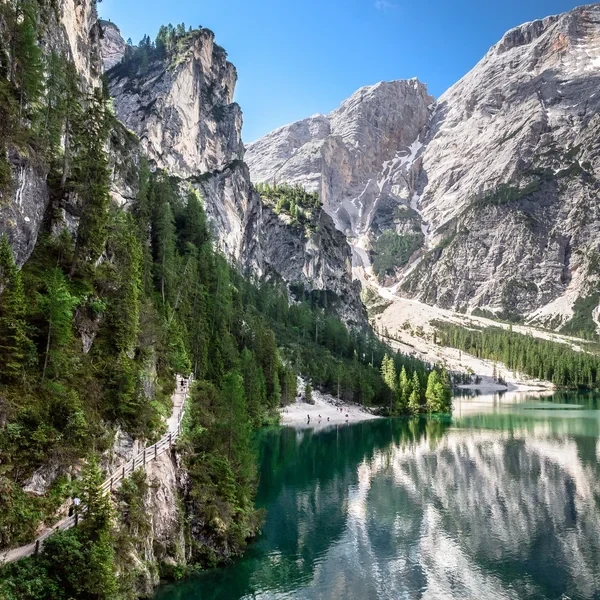
Crossing the Alps on Foot - Munich to Venice
Walking from Munich to Venice means crossing three countries, climbing out of the Bavarian plains, pushing through the Austrian Alps and descending through the full depth of the Dolomites before reaching the Adriatic. Over 15 days and 12 hiking stages, this route takes in Neuschwanstein Castle, the Krimml Waterfalls, Lago di Braies and the Tre Cime di Lavaredo. A private transfer on the final day delivers you directly to Venice.
Table of Contents
Highlights
- ★ Neuschwanstein Castle above Hohenschwangau on the first hiking day
- ★ Partnach Gorge - a narrow limestone canyon east of Garmisch
- ★ Krimml Waterfalls: the highest waterfall in the Alps at 400 m1,312 ft
- ★ Crossing three countries - Germany, Austria and Italy
- ★ Lago di Braies - the emerald lake at the heart of the Dolomites
- ★ Tre Cime di Lavaredo circuit on the penultimate hiking day
- ★ Private transfer through the Dolomites to arrive in Venice
Pricing and season
You choose your own departure date, from 18 June to 10 September 2027.
| 2-3 people | 4-5 people | 6+ people |
|---|---|---|
| 3,960 €4,594 $ | 3,270 €3,793 $ | 3,040 €3,526 $ |
The price drops as the group grows: fixed costs, luggage transfers in particular, are shared between more walkers.
Top Places You'll See
Lago di Braies
Visit the most famous lake in the Italian Dolomites. This guide covers the essential shoreline loop, the easy hike to Malga Foresta, and the 2027 parking and shuttle regulations.
View Itinerary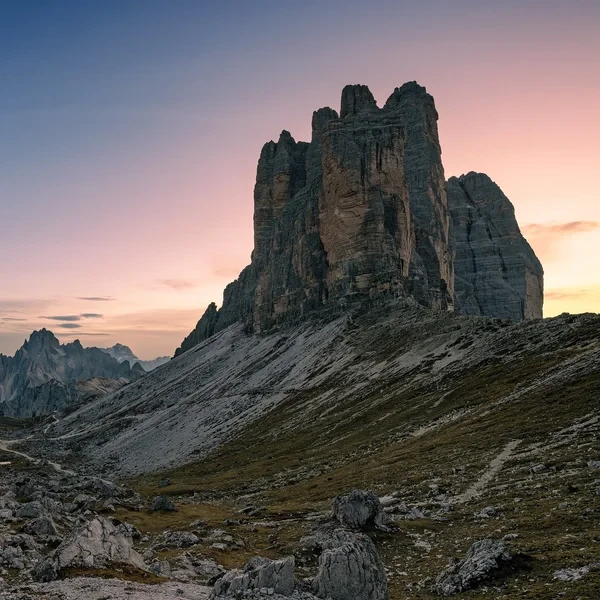
Tre Cime di Lavaredo Loop
Circle the most iconic monoliths in the Alps. This essential day hike brings you face-to-face with the dramatic north faces of the Three Peaks, traversing high-altitude scree fields in the heart of the Sesto Dolomites.
View ItineraryWhat's Included
Included
- 14 nights accommodation (hotels and mountain huts)
- 14 breakfasts and 7 half-board dinners (refuge nights)
- City and tourist taxes
- Digital travel packet with route notes and GPX files
- Private taxi transfer on Day 14 (Antorno Lake to Venice)
- Luggage transfer on most days (not Days 1, 2, 6, 8)
- 24/7 phone support throughout the trek
Not Included
- Transport to Munich and from Venice
- Lunches on the trail
- 7 dinners (hotel nights in valley towns)
- All public transport and local bus tickets
- Drinks
- Travel insurance
- Entrance fees (Partnach Gorge, etc.)
- Printed travel packet (optional supplement)
Day-by-Day Itinerary
Arrival in Munich
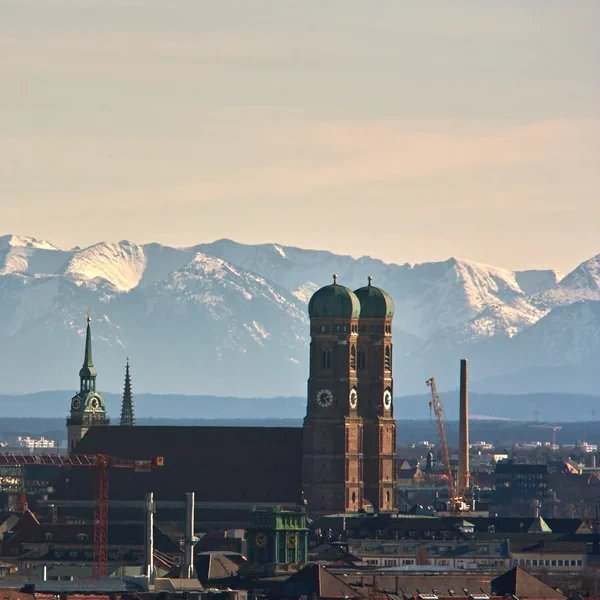
The starting city. Arrival day in Munich. Check in to your hotel and take the afternoon at your own pace - a walk along the Isar, a visit to the English Garden or simply time to rest before the days ahead. The Alps are already visible on the horizon to the south on a clear day.
Füssen to Hohenschwangau
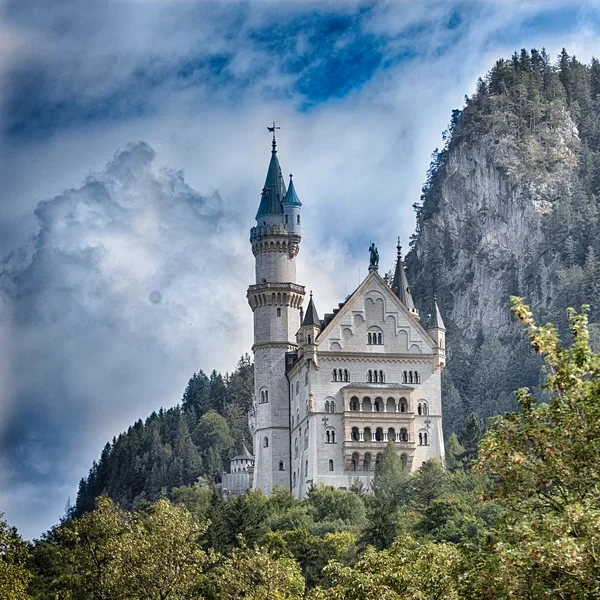
Under the fairy-tale castle. A short train to Füssen opens the walking. The first stage follows wooded paths to Hohenschwangau with Neuschwanstein Castle looming above - the most visited castle in Germany, built on a forested bluff above two lakes. An easy afternoon leaves time to visit the castle before settling in for the first night.
Hohenschwangau to Kenzenhütte
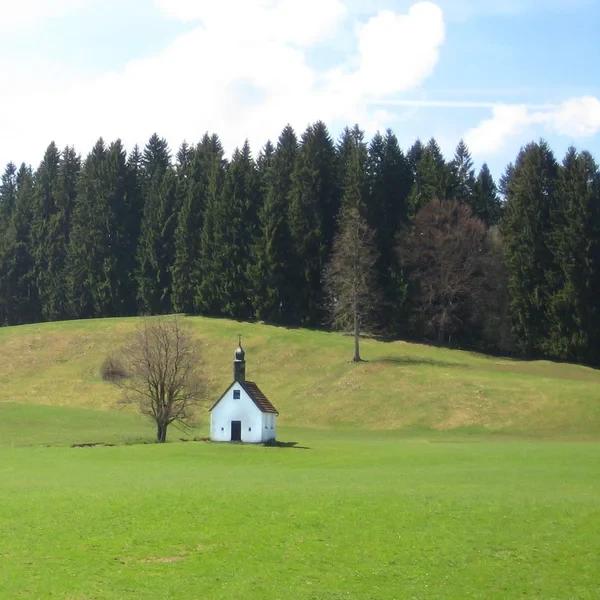
Into the Ammergau Alps. The route leaves the tourist crowds behind and pushes south into the Ammergau Alps. A long climbing day through forest and open ridge terrain leads to the Kenzenhütte - a classic Bavarian mountain hut with a working farm, enormous portions and a terrace overlooking the first proper mountain panorama of the trip.
Kenzenhütte to Ettal
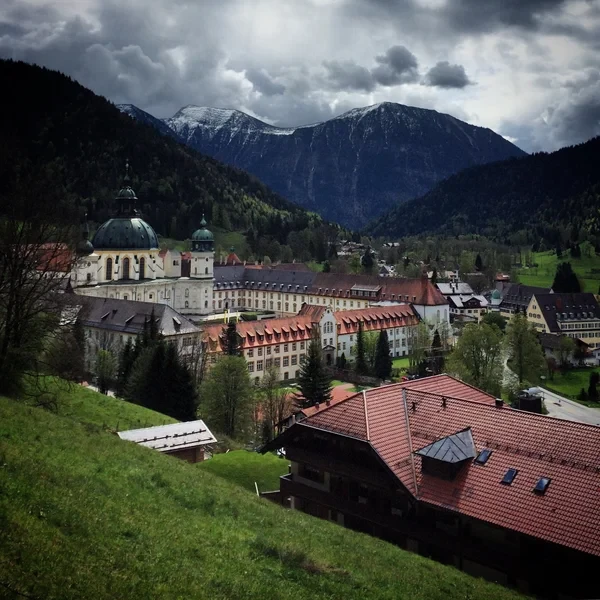
Down to the Benedictine abbey. A descent through the Ammer valley brings you to Ettal, home to a vast Baroque monastery where Benedictine monks have brewed beer and distilled liqueur since the 14th century. A gentler day after the long effort of Day 3 - arrive early and visit the abbey before dinner.
Ettal to Mittenwald via Partnach Gorge
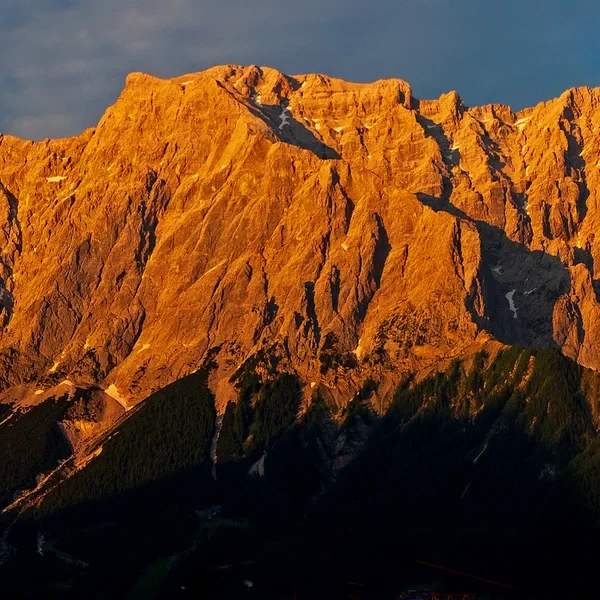
Through Garmisch and into the gorge. The route passes through Garmisch-Partenkirchen and detours through the Partnach Gorge - a narrow limestone canyon where the trail is carved into the cliff face above the river. After the gorge, the path continues to Mittenwald, a town famous for its painted facades and violin-making tradition.
Mittenwald to Solsteinhaus
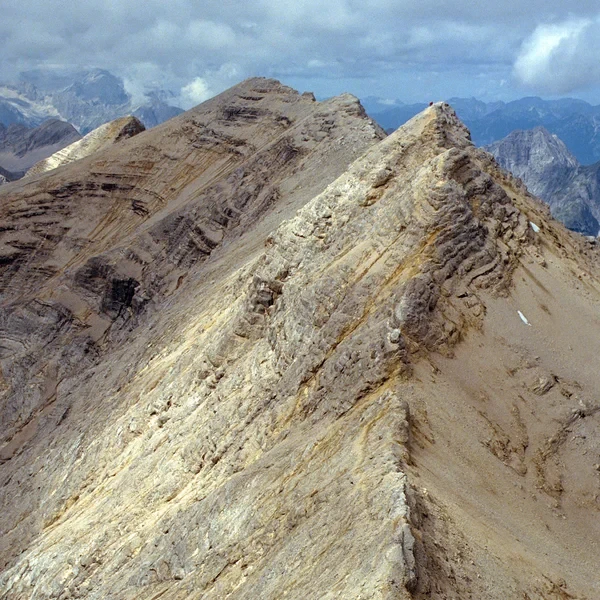
First Austrian ridge. A steep climb from Mittenwald gains the Karwendel ridge above the Inntal valley, crossing from Germany into Austria. The Solsteinhaus sits on a high shelf with a direct view down into the Inn valley and across to Innsbruck's urban sprawl far below - a striking contrast between the wild ridge and the city.
Solsteinhaus to Innsbruck
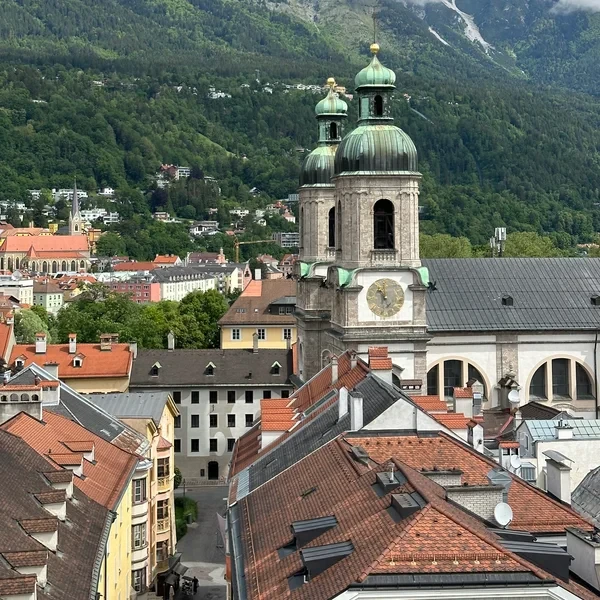
Down to the Tyrolean capital. A short descent from the Solsteinhaus drops sharply into Innsbruck along a steep ridge trail. The rest of the day is free in the city - the old town, the Golden Roof, the Hofburg and the famous view of the city backed by the Nordkette mountains are all within easy walking distance of the hotels.
Train to Krimml - Krimml Waterfalls to Krimmler Tauernhaus
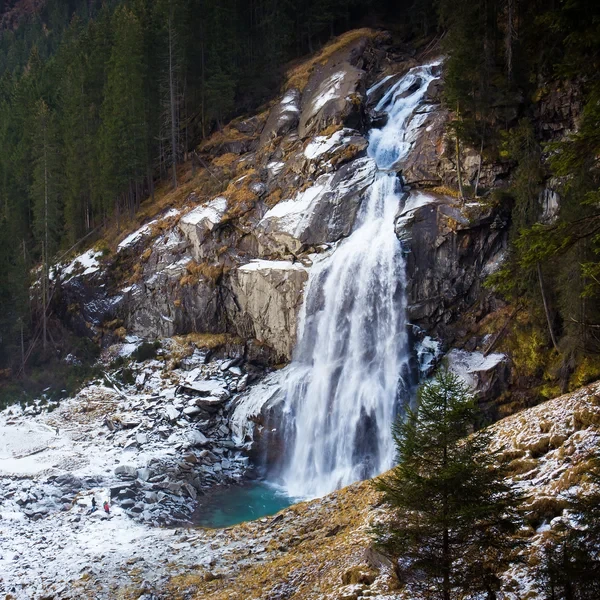
The highest waterfall in the Alps. A train across the Ötztal to Krimml, then the classic walk alongside the three-stage Krimml Waterfalls as they drop 400 m1,312 ft through forest and open valley. The Krimmler Tauernhaus at the head of the valley is the last stop before crossing into Italy the following day.
Krimmler Tauernhaus to Bruneck via Prettau
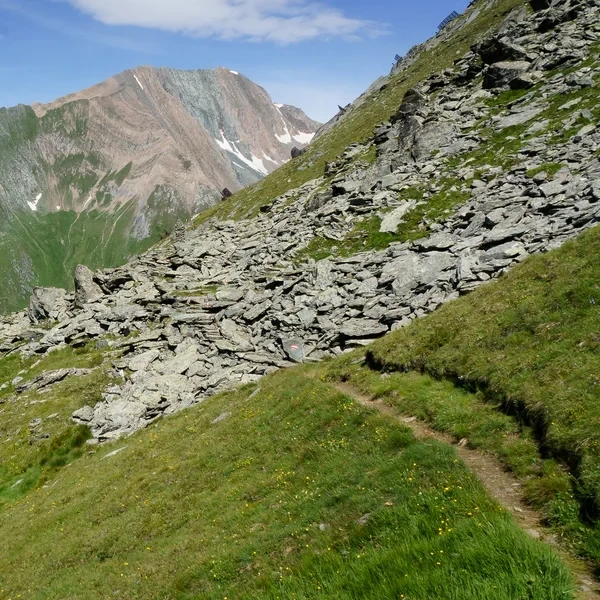
Crossing into Italy. The longest hiking day of the trip climbs over the Krimmler Tauern pass and crosses into South Tyrol - the Italian Alps. The descent passes through the Prettau valley, once a copper-mining region, before reaching Bruneck (Brunico), a handsome medieval town in the Puster valley where German and Italian cultures overlap.
Bruneck to Lago di Braies via Sennes
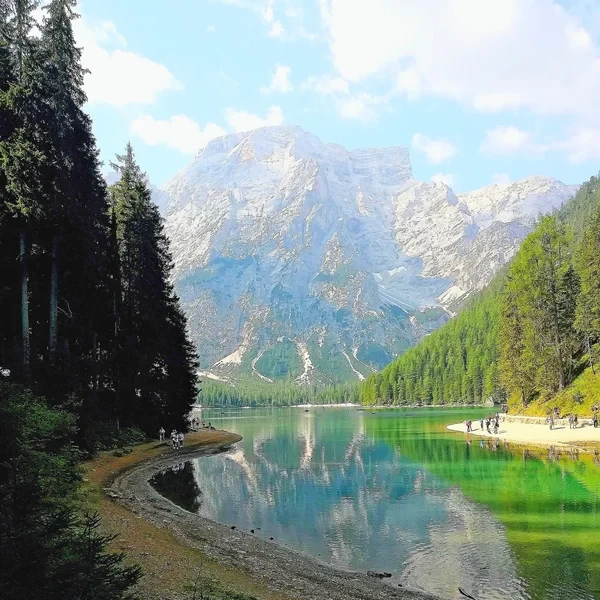
The emerald lake. The route climbs from Bruneck through the Pederu valley and across the high Sennes plateau before dropping to Lago di Braies - one of the most striking lakes in the Dolomites. The vivid green water and the sheer cliff of Croda del Becco rising from its shore make this one of the visual highlights of the entire traverse.
Lago di Braies to Prato Piazza via Croda del Becco
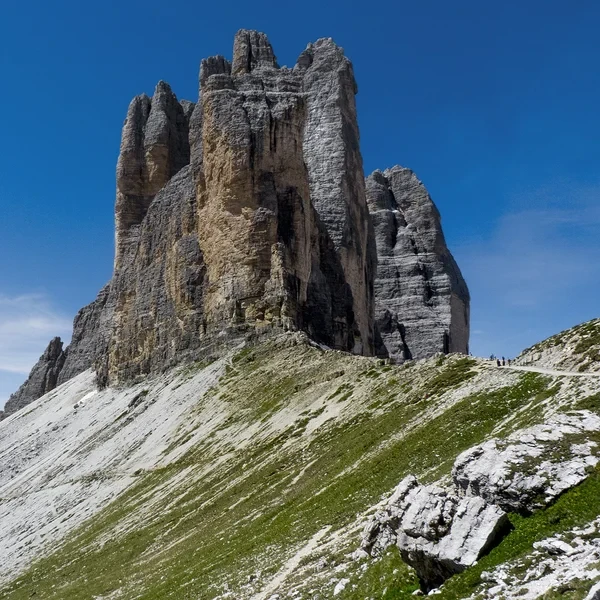
Up over the ridge. Climbing away from Lago di Braies, the trail ascends to the Croda del Becco viewpoint before traversing the high ground to Prato Piazza - a wide natural shelf above the Landro valley that serves as an open-air viewpoint for the first silhouette of the Tre Cime. The day ends with the three towers visible on the horizon for the first time.
Prato Piazza to Antorno Lake via Tre Cime
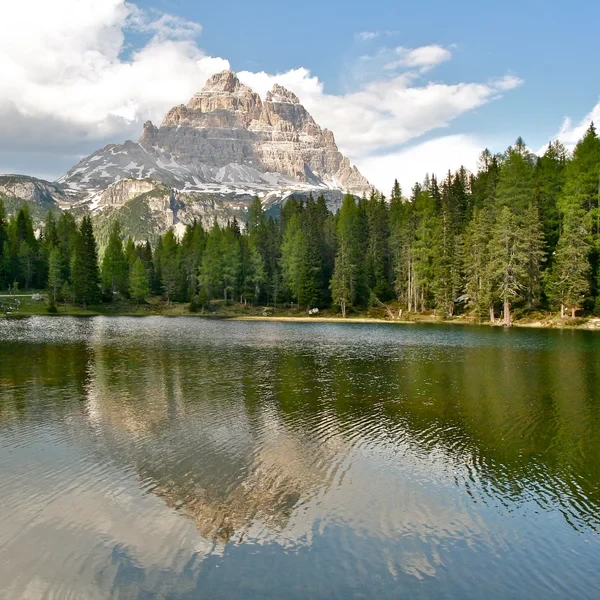
The Tre Cime arrival. A long day drops to Landro, follows the Rienza valley east and climbs steadily through wild terrain to reach the Auronzo refuge beneath the Tre Cime south face. After the full Tre Cime loop - past the Lavaredo refuge and along the north face - the route descends to Antorno lake for the night.
Tre Cime Loop and Lavaredo - Auronzo Circuit
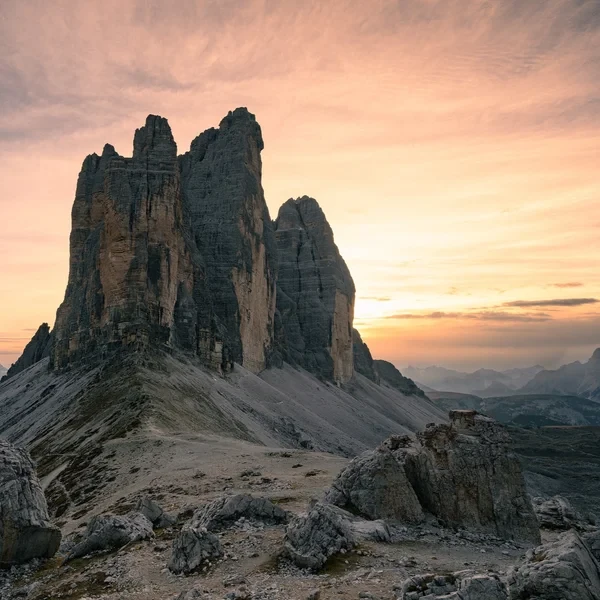
Final mountain day. A shorter day loops from Auronzo around the full Tre Cime circuit at a relaxed pace. With the hard mileage behind you, this is the day to stop at the Locatelli refuge with a coffee and simply look at the north face - one of the great mountain walls in Europe. Return to Antorno lake in the afternoon.
Private Transfer to Venice
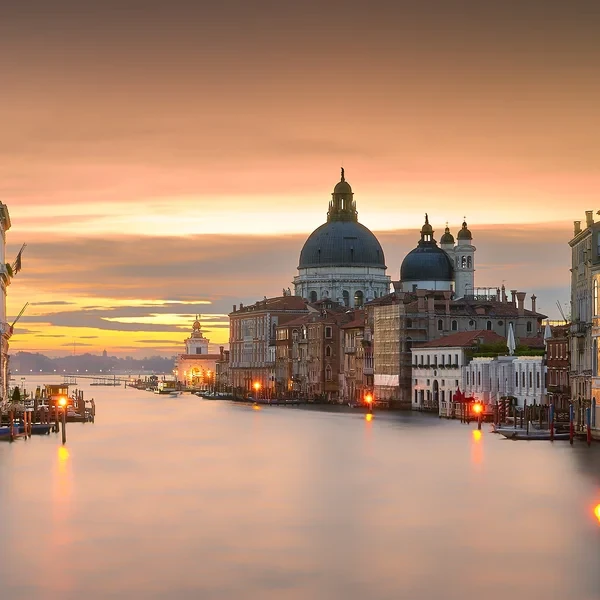
The lagoon. A private taxi collects you from Antorno lake and drives through the Dolomites, the Belluno valleys and across the Venetian plain to Venice. The journey itself is a final reminder of the distance covered - watching the mountains shrink behind you as the flatlands of the Veneto open up ahead and the lagoon comes into view.
Departure from Venice
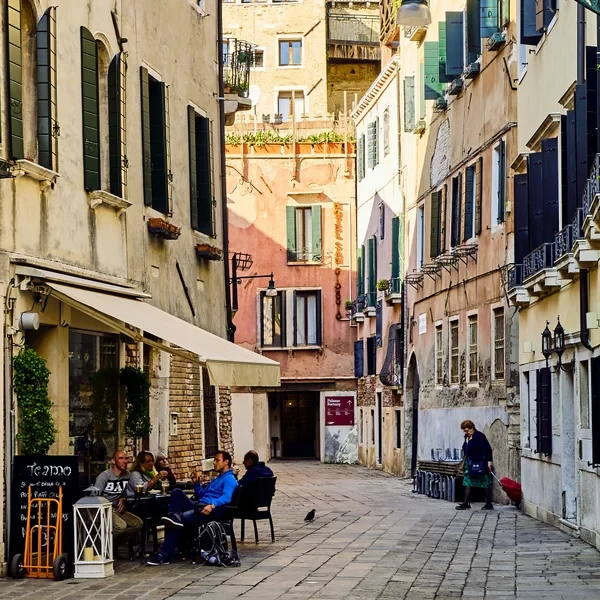
Farewell from the water city. Departure day. A final morning in Venice before heading to the airport or train station. If time allows, a walk from the hotel to the Piazza San Marco at dawn - before the crowds arrive - is the best possible way to close a journey that began 14 days and three countries ago.
What to Bring
A base list: adapt it to your season, your type of trip and the weather forecast.
Pack
- Backpack, 40 to 60 L
- Rain cover and waterproof liner
- Small daypack Hotel
Feet
- Broken-in hiking boots
- Hiking socks (2 to 3 pairs)
- Light shoes for the evening Hotel
Clothing
- Breathable T-shirts (2 to 3)
- Hiking trousers, shorts
- Fleece or light down jacket
- Waterproof jacket
- Waterproof over-trousers (weather permitting)
- Warm hat and gloves (early season or forecast)
- Cap or sun hat
- Underwear, evening clothes
On the trail
- Water bottles: 1.5 L or more
- Snacks
- Trekking poles
- GPX track, app or paper map
- Phone, power bank
- Headlamp
- Emergency blanket, whistle
- Sunglasses (category 3)
- Sunscreen, lip balm
- Via ferrata kit (depending on route)
Night & hygiene
- Sleeping-bag liner (often mandatory) Hut
- Earplugs Hut
- Microfibre towel Hut Bivouac
- Toiletry kit, toilet paper
- Tent, sleeping bag, mat Bivouac
- Stove, pot, lighter Bivouac
- Purification tablets or filter bottle Bivouac
- Bags for your rubbish
Health & papers
- First-aid kit
- Personal medication
- ID card or passport
- EHIC/GHIC, rescue and repatriation insurance
- Cash in euros
Frequently Asked Questions
How hard is the Munich to Venice trek physically?
This is a Hard-rated (Level 4/5) multi-country trek. Hiking days average 5-7 hours with elevation gains between 500 m1,640 ft and 1,120 m3,674 ft. Previous multi-day trekking experience is strongly recommended. You should be training regularly in the months before departure.
What is the accommodation split between hotels and mountain huts?
Roughly half the nights are in valley hotels with private rooms and half in mountain huts with shared dormitory rooms. Hotel nights coincide with valley stages in towns like Ettal, Garmisch, Mittenwald, Innsbruck and Bruneck. Hut nights include half-board - dinner and breakfast.
How is luggage managed over 15 days?
Luggage transport is included on most days. On Days 1, 2, 6 and 8 you carry your own pack, as logistics do not allow vehicle access. Your travel packet details exactly which days require a daypack only and which allow luggage transfer.
Do I need to speak German or Italian?
German is useful in Bavaria and the Austrian sections. In South Tyrol and the Dolomites both German and Italian are spoken. In all cases the refuge and hotel staff along established routes are accustomed to English-speaking walkers, and your travel packet is written in English.
What happens if I need to leave the route early?
The route crosses several major valley towns with good rail connections - Innsbruck, Bruneck and Cortina all allow easy exit if needed for personal or weather reasons. Your 24/7 support line can advise on the best options from wherever you are on the route.
Hiking bases
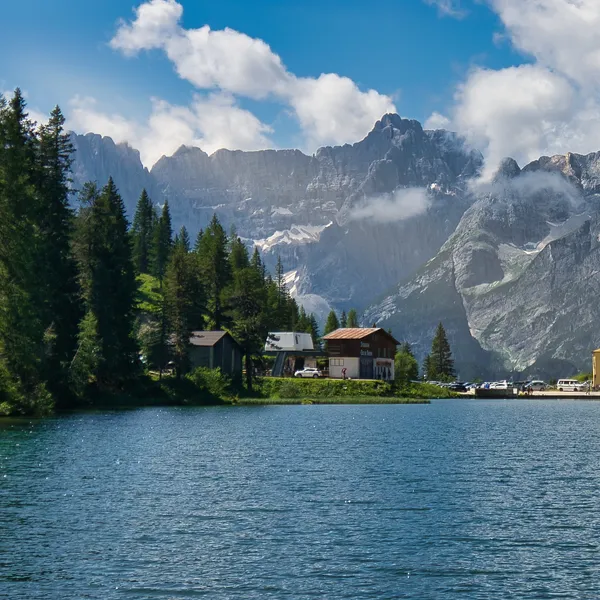
Auronzo and Misurina Hiking Guide
A guide to hiking from Misurina or Auronzo di Cadore: choosing between the mountain lake and the valley town, outings to the Tre Cime and Lake Sorapis, summer buses, where to stay and when to go.
Updated 20 October 2026
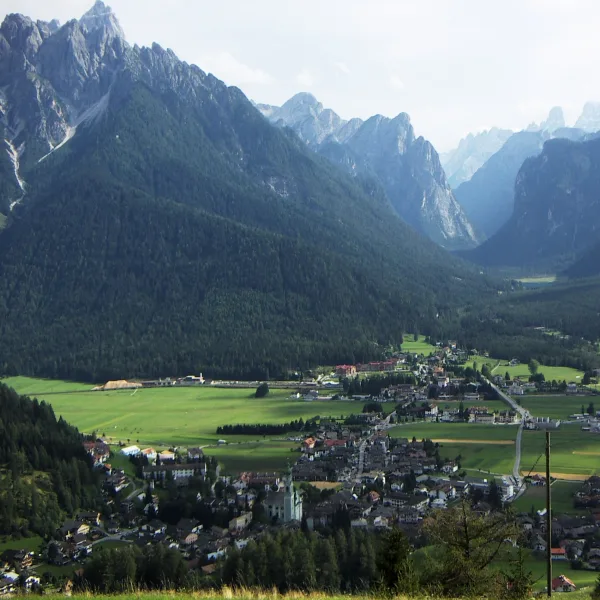
Dobbiaco (Toblach) Hiking Guide
Dobbiaco (Toblach) is the most practical and underrated base for the eastern Dolomites - closer to Lago di Braies and Tre Cime than most alternatives, with a real train station and direct bus connections to both sites.
Updated 20 October 2026
We organize the logistics so you can focus on the trail. Get in touch with our experts today.
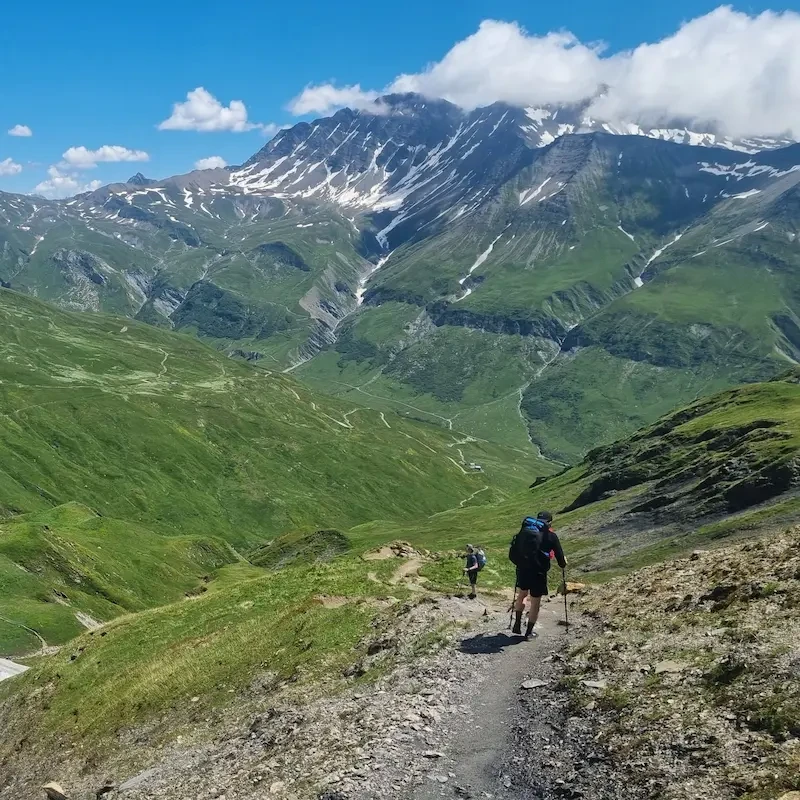
Direct contact with local Dolomites experts
Similar Self-Guided Tours
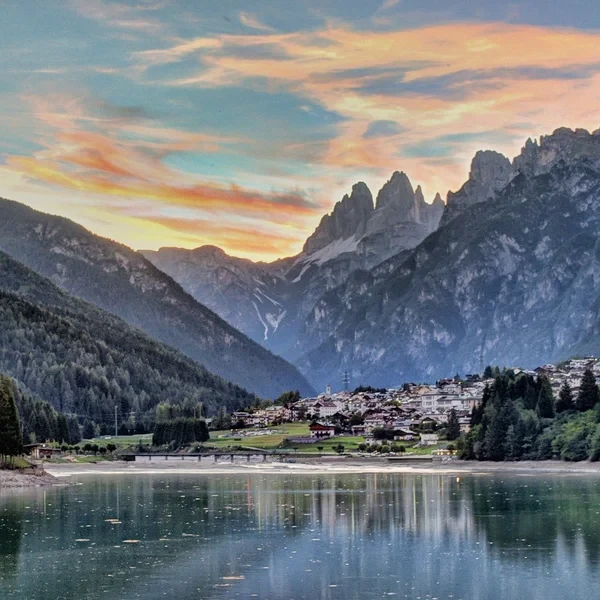
Dolomites Self-Guided Hiking around Cortina
A 7-day hotel-based hiking holiday around Cortina d'Ampezzo. Five day walks to Cinque Torri, the Tofane massif, Lake Sorapis and the iconic Tre Cime di Lavaredo circuit.
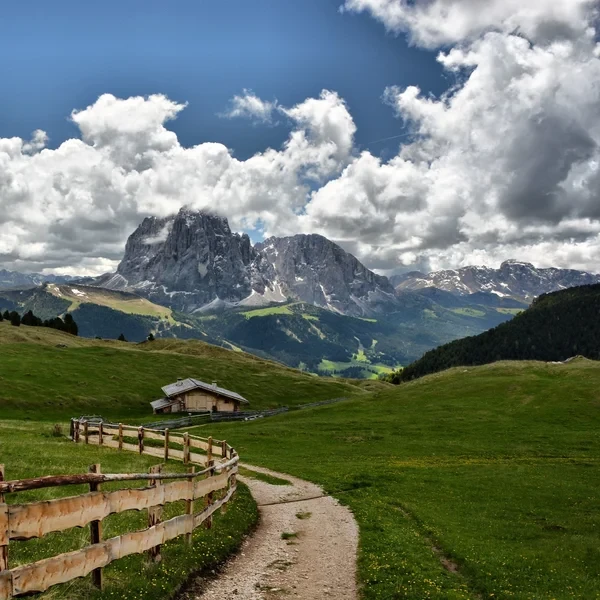
Grande Traverse of the Dolomites - Bolzano to Cortina
A 10-day self-guided traverse from Bolzano to Cortina crossing the Rosengarten, Alpe di Siusi, Puez-Odle plateau, Lagazuoi and the Tre Cime di Lavaredo - all with refuge half-board throughout.
From our partner · 400+ Verified Traveler Reviews
"This trek is magnificent. The itinerary is perfect, and our guide was extraordinary - knowledgeable, attentive, and genuinely passionate about the Dolomites."
"Well-marked trails that avoid the crowded tourist spots, with real elevation changes that keep it interesting. The mountain hut stays were a highlight - the Italian food at every rifugio was outstanding."
"Our guide was super professional. The transportation was seamless, and the family-run hotel was very comfortable - a friendly and safe setting. I would do it again in a minute."
"Excellent itinerary, excellent guide. Every detail was handled perfectly and the route choices were spot on. Would do it again without hesitation."
"A spectacular trek through an exceptional mountain range. The route avoids the most crowded areas and the views are relentless. Be warned - the elevation changes are more demanding than you expect."
"A genuinely engaging trek that keeps you motivated day after day. The variety of landscapes - from green valleys to high rocky passes - is remarkable. Well organized from start to finish."
"I rate this trip 10 out of 10. The accommodation quality exceeded my expectations, and the staff were incredibly attentive - even accommodating my food allergies without any fuss."
"An extraordinary itinerary that lets you discover the Dolomites without overexerting yourself. The route is well-balanced with no technical difficulties, yet you still feel immersed in the high mountains."
"A great discovery for a first group hiking trip. The guide was excellent, the group was friendly, and the autumn weather gave us clear skies over the Dolomites nearly every day."
"A wonderful week in the mountains with an excellent guide who knew every trail and every shortcut. The hut-to-hut format made the logistics effortless - just walk and enjoy."
Decades of Alpine Expertise
Our partner agency has been operating in the Alps for over 40 years. Their team of passionate mountain experts knows every trail, every rifugio, and every season intimately.
Fully Protected Trips
Your investment is safe. We work exclusively with a licensed, bonded, and insured operator. 24/7 assistance and comprehensive travel insurance are included with every booking.
Handcrafted by Locals
No generic packages. Each itinerary is designed by a small team of travel experts who hike these trails themselves. Luggage transfers, dietary needs, and every logistical detail are handled for you.
A Real Team, Not a Call Center
A dedicated team of a dozen specialists is available before, during, and after your trip. You speak directly to the people who designed your route and know the terrain.