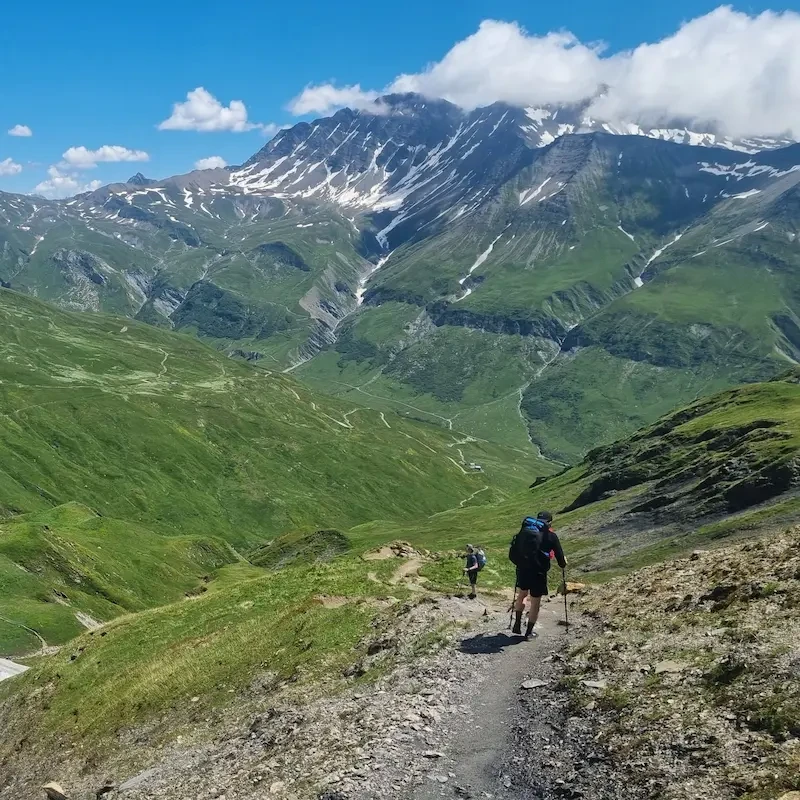
Why is Alta Badia a great base for hiking the Ladin Dolomites?
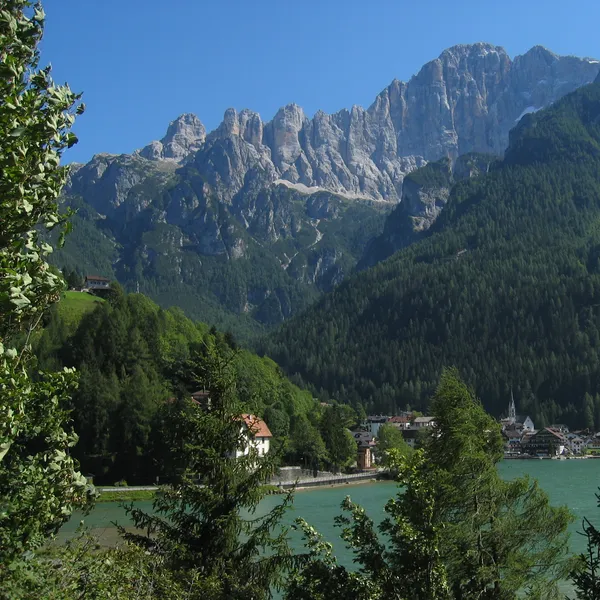
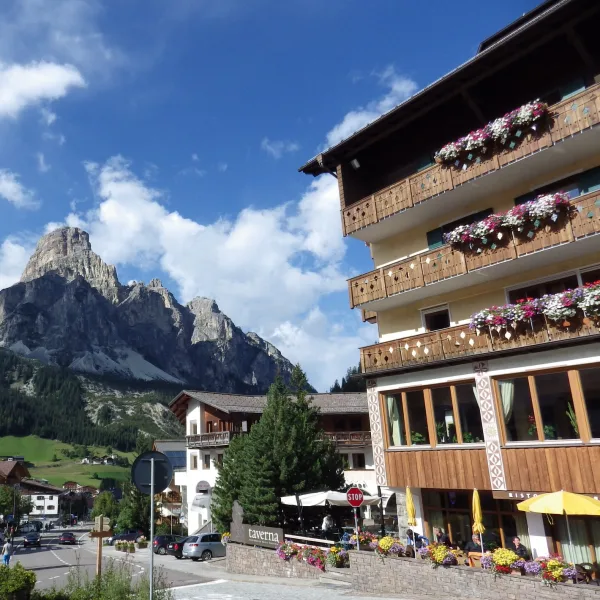
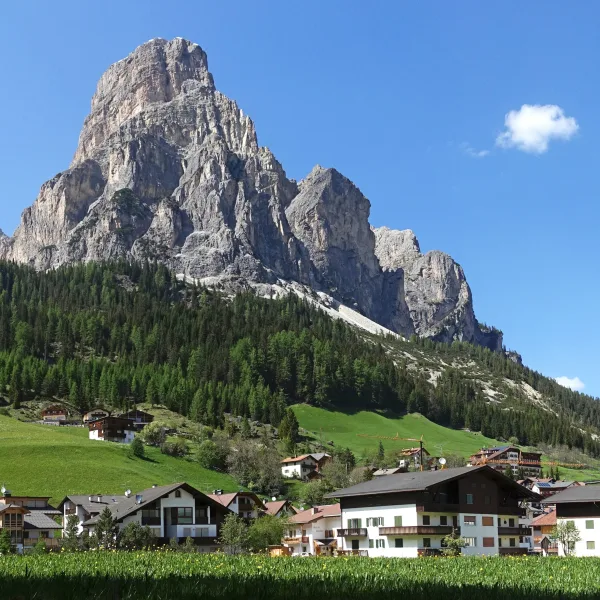
The first thing to understand about Alta Badia (Hochabtei) is that it is not German South Tyrol, despite sitting inside the Province of Bolzano. The Val Badia (Gadertal) and its surrounding villages - Corvara in Badia, Colfosco (Kolfuschg), La Villa (Stern), San Cassiano (St. Kassian), Badia (Abtei), and La Val (Wengen) - belong to the Ladin Dolomites, a distinct cultural and linguistic zone where the ancient Rhaeto-Romance language Ladin survives as a living tongue. Road signs appear in three languages simultaneously: Italian, German, and Ladin. If a local addresses you in none of those three, do not be surprised. This cultural specificity is not a tourist attraction - it is simply how things work here.
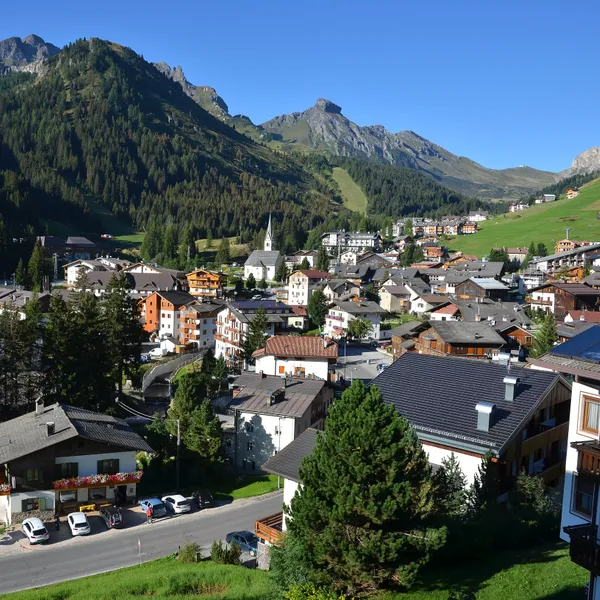
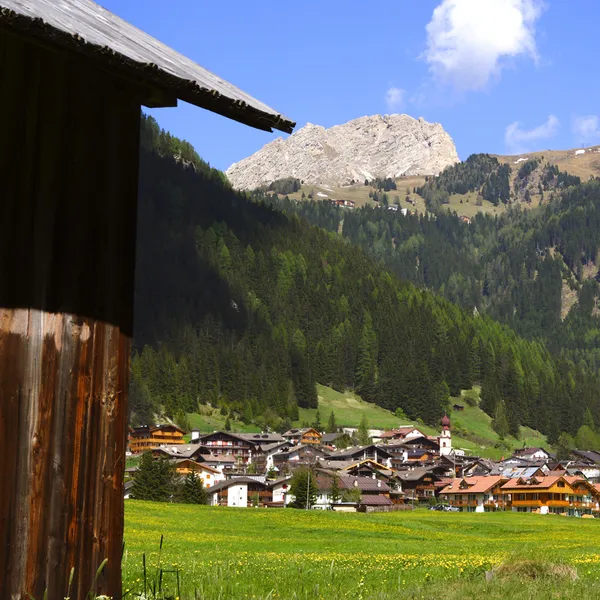
At 1,568 m5,144 ft, Corvara is a high-altitude hiking base. That altitude changes the character of hiking entirely. The trails around Corvara start high, the Sella Group walls rise immediately above the village, and access to the 3,000 m9,843 ft zone requires far less vertical effort from the valley than anywhere else in the region.
The town’s identity is also shaped by the Sella Ronda ski circuit, which makes it exceptionally well-served by cable cars and gondolas that continue operating through the summer months. For hikers, that infrastructure translates into high-altitude starting points that would require three hours of additional climbing from any other base.
Is Alta Badia the Best Base for the Alta Via 1?
The short answer is yes - if your goal is the Fanes-Sennes-Braies section of the AV1, the Val Badia is your staging ground.
The AV1 traverses this zone on its second and third CAI stages (Rifugio Biella - Rifugio Fanes, then Rifugio Fanes - Rifugio Lagazuoi). After departing Lago di Braies, climbing via Rifugio Sennes and descending through the Val de Mareo to Rifugio Pederü, hikers climb back up to the Fanes plateau - one of the most remote and geologically striking sections of the entire route. The flat-topped limestone plateau is ringed by sheer walls on three sides, with the huts clustered at its northern end.
Stage 2 ends at either Rifugio Lavarella or Rifugio Fanes. These two huts sit a short walk apart on the plateau and share a meadow setting beneath the Croda del Vallon Bianco. Rifugio Fanes is the classic choice; Lavarella is the practical fallback when Fanes is full. Book either as early as you can for a July visit.
Stage 3 climbs south across the Pian de Gran Fanes, drops to the valley at Capanna Alpina, then makes the brutal ascent past Rifugio Scotoni to reach Rifugio Lagazuoi. If you want to base in Corvara rather than commit to the full AV1 circuit, you can access the Fanes plateau via the Armentara meadows trail from La Villa - a round trip to the plateau and back takes a full day from Corvara.
What Does the Piz Boè Summit Actually Involve?
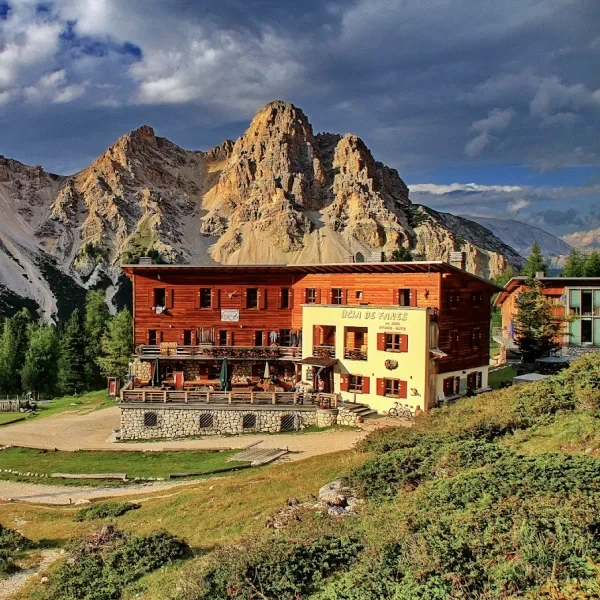
Piz Boè (3,152 m10,341 ft) is the highest point of the Sella Group and one of the few genuine summit experiences accessible to non-climbers in the central Dolomites. The route from Corvara uses the Sass Pordoi cable car (departing from Passo Pordoi at 2,239 m7,346 ft) up to the Sass Pordoi (2,947 m9,669 ft), already near the summit zone.
From the Sass Pordoi, the path descends to the Forcella Pordoi, where trail 627 starts toward Rifugio Boè, then trail 638 climbs to Piz Boè. The most difficult section splits into two one-way fixed-protection trails. The loop is 7.8 km4.8 mi with 561 m1,841 ft of ascent; allow 3 hours 15 minutes. The ground is uneven and the altitude effect is real.
Three critical facts about this route:
- Weather window: The Sella Group plateau builds cumulus clouds from noon onwards throughout July and August. Aim to be on the summit by 10:30. Storms here arrive with almost no warning.
- Sass Pordoi cable car hours: The cable car runs in season only; check the dates and hours with the operator before you travel. Out of season, the climb on foot from the Pordoi pass is 700 m2,297 ft of height gain.
- There is a rifugio near the top: Rifugio Boè sits below the summit and serves hot meals - but prices reflect the altitude and the supply helicopter that stocks it. Expect meal prices above valley levels. (Rifugio Capanna Fassa is a separate hut in the Val di Fassa near Canazei - do not confuse the two.)
What Are the Best Circular Day Hikes From Corvara?
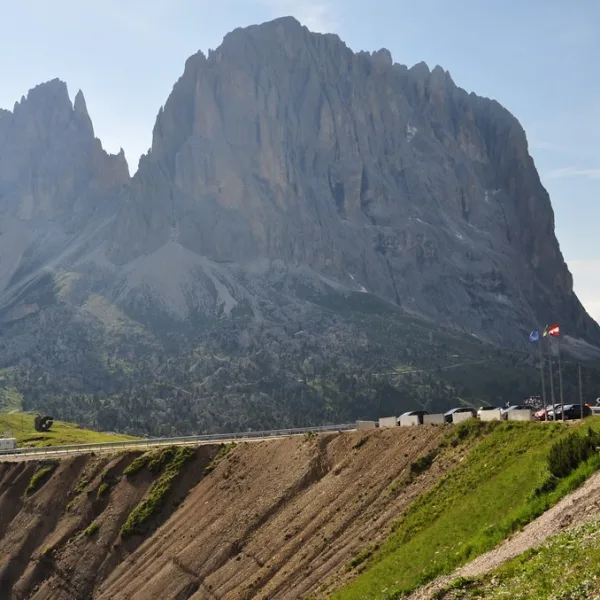
The Pralongià plateau northwest of Corvara is the closest high meadow terrain to the village, reachable in under an hour on foot. The plateau offers a straightforward circular walk of 10 km6.2 mi with roughly 300 m984 ft of gain. The trail runs beneath the Sassongher rock tower - the signature geological landmark visible from every corner of Corvara - before looping back via the Pralongia chairlift station. This route works for families and for acclimatisation walks on arrival day.
For a more serious full-day objective, the Vallon circuit below Piz Boè offers a high-altitude traverse combining the Sella Group plateau, the upper reaches of the Val Gardena Pass (Passo Gardena / Grödner Joch at 2,121 m6,959 ft), and a descent back to Corvara via the Boè valley. This is a 18-20 km11-12.4 mi route with 900 m2,953 ft of cumulative ascent - a serious day out, but technically no harder than any other plateau traverse in the Dolomites.
The Armentara high meadow trail above La Villa connects to the Fanes hut network. It climbs through flower-covered alps (the area is one of the best wildflower zones in the Dolomites from late June to mid-July) and reaches Ucia dles Muntagnoles after 600 m1,969 ft of climbing. From there, the Fanes plateau is a further 45 minutes across open terrain. This is the recommended approach for day-trippers who want to see the Fanes landscape without committing to the AV1 multi-day route.
Which Rifugi Should You Target Around Corvara?
The Val Badia and the surrounding Fanes-Sennes plateau host one of the densest rifugio networks in the Dolomites. These are the huts that matter for the AV1 stages and the Corvara day-hike network.
On the Fanes plateau. The classic AV1 Stage 2 hut, with a meadow setting beneath the Croda del Vallon Bianco. In high demand: book early for July nights.
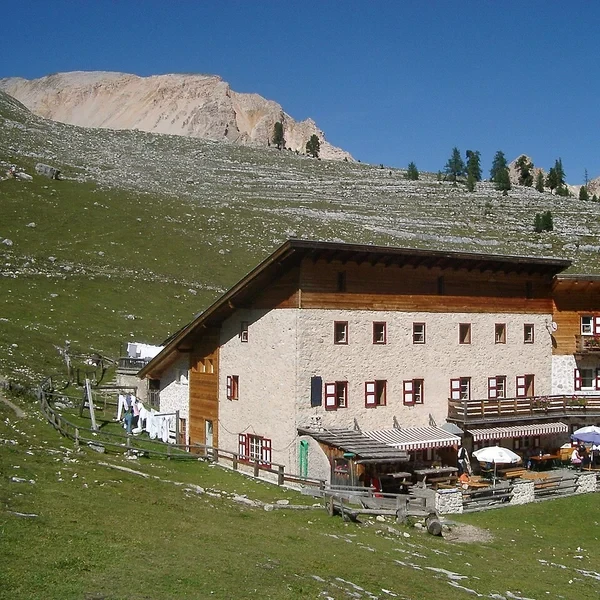
On the same plateau, a short walk from Rifugio Fanes. The practical fallback when Fanes is full.
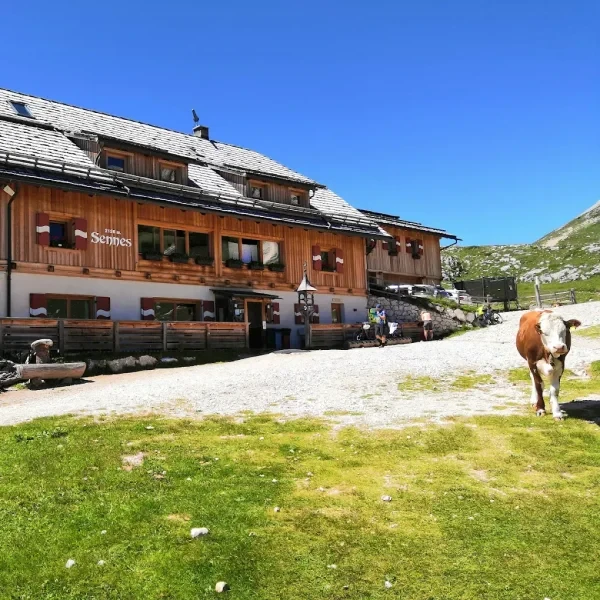
On the Sennes plateau, on the AV1 route from Lago di Braies. South-facing terrace looking across to the Croda Rossa massif.
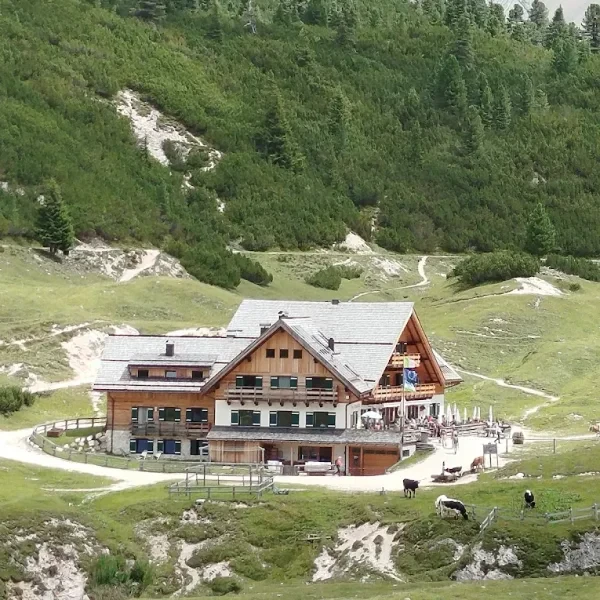
On the eastern edge of the Sennes plateau. South-facing terrace and a quieter overnight option than Sennes or the Fanes huts.
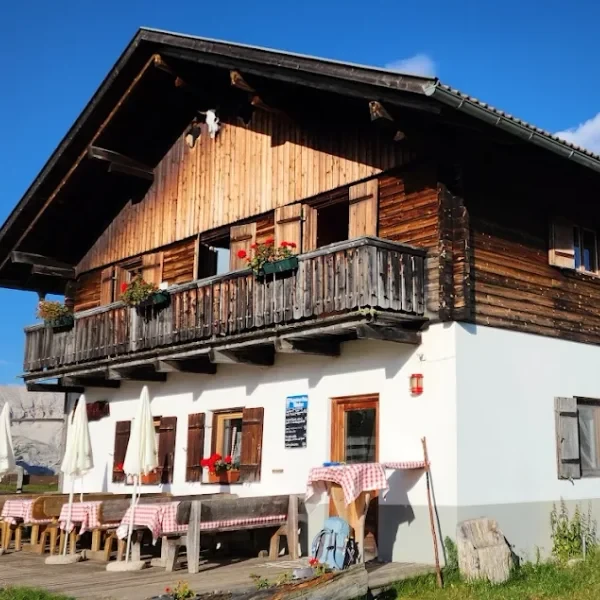
Above the Sennes pastures. The most remote of the Sennes-area huts and the right choice if you want isolation rather than AV1 traffic.
On the AV1 Stage 3 ascent toward Lagazuoi. The half-way coffee stop on one of the brutal climbs of the route. Lunch here rather than overnight unless you are splitting the day.
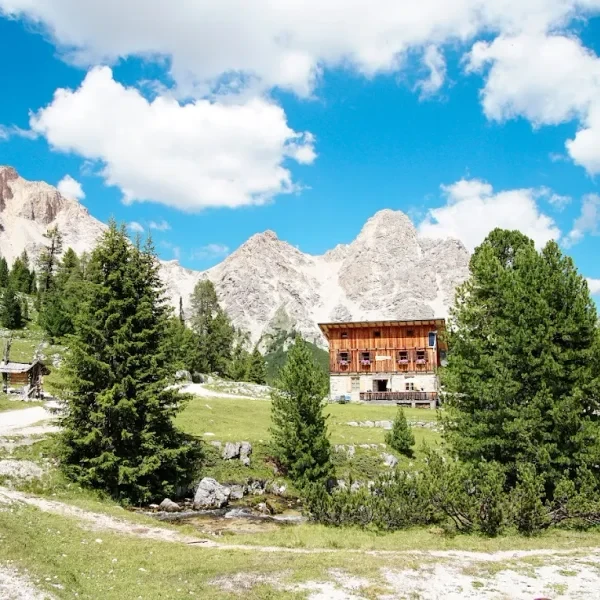
In the Armentara high meadows above La Villa. The natural day-hike target from Corvara when you want to sample the Fanes terrain without committing to a multi-day route.
For full hut booking procedures, etiquette, and what to expect overnight, see our rifugi guide and the mountain huts hub.
How Do You Get to Corvara?
The Val Badia road from the north connects to Bruneck (Brunico) via San Lorenzo. Direct buses (line 460, 2026 timetable on südtirolmobil) run from Bruneck train station to Corvara all year - the journey takes about 1 hour 5 minutes, with a departure every 30 minutes at the morning peak. Bruneck sits on the Bolzano-Innsbruck rail corridor, making it the main rail gateway for Alta Badia arrivals from both Austria and central Italy.
From the east, the approach via San Candido (Innichen) and the Sesto valley connects to the Dobbiaco/Niederdorf junction and then south via Bruneck. There is no direct bus from San Candido to Corvara - you transfer at Bruneck station, onto the Val Badia bus.
Private car: Corvara is accessible via Passo Campolongo (1,875 m6,152 ft) from the Arabba direction, or via Passo Gardena from the Val Gardena. Both passes become congested on summer weekends. The Passo Gardena road is one of the four classic Sella Ronda passes, so expect cycling and motorbiking traffic from June through September. A seasonal traffic restriction is under study there, but nothing applies yet: our article on what changes on the passes in 2027 sets out where the file actually stands. Parking in Corvara itself is limited - plan to use the lower village lots and walk up.
For a full overview of transport logistics to the Dolomites, see our complete logistics guide.
When Is the Best Time to Hike in Alta Badia?
The hiking season in Alta Badia runs from mid-June to late September, identical to the broader Dolomites calendar. However, at Corvara’s elevation of 1,568 m5,144 ft, the higher surrounding trails can stay snow-covered early in the season, and the Fanes plateau is only safe to cross once the snow has cleared.
July and August are the busiest months. The Corvara valley fills with Sella Ronda cyclists and hikers simultaneously. The Piz Boè summit route and the Fanes plateau trails see their peak use in these weeks.
Early September is the standout choice: the afternoon thunderstorm pattern eases from its July-August peak, the Sella Group is free of most cyclists as the summer road-biking season winds down, and the marmot colonies on the Fanes plateau are most active before hibernation. Hut bookings remain essential - the rifugi in the Fanes area each close on their own dates: check them on their websites before planning a late-season visit to the plateau.
For full seasonal guidance, see our best time to visit the Dolomites guide. If you are comparing Alta Badia with other hiking bases, our sister post on Cortina d’Ampezzo covers the western approach to the same AV1 stages.
Other hiking bases worth comparing: Ortisei in Val Gardena for Alpe di Siusi access, San Candido for Tre Cime, and Dobbiaco for the AV1 starting point at Lago di Braies. For everything you need to know about staying in rifugi during your hike, our mountain hut guide covers booking, etiquette, and what to expect. Compare all five town bases side by side in our Best Towns for Hiking guide.
Hikes around Corvara in Badia
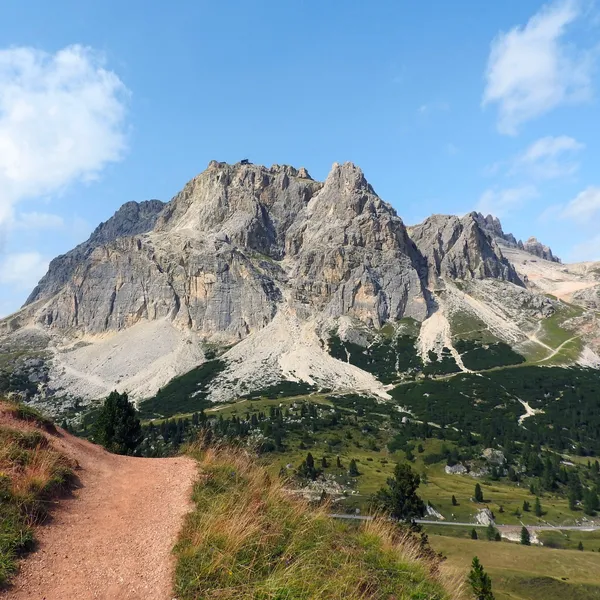
Lagazuoi - Loop from Armentarola & Great War Tunnel
The walking loop from Armentarola via the Forcella Lagazuoi, the lake and Rifugio Scotoni, or the Passo Falzarego cable car and the descent through the Great War tunnel.
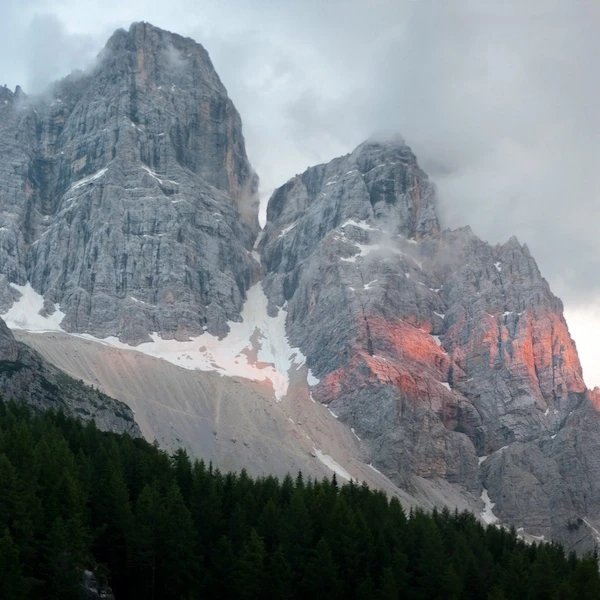
Alta Via 1
The definitive multi-day journey across the heart of the Dolomites. Spanning 118 km73.3 mi of rugged limestone terrain, this classic trek takes you from the emerald waters of Lago di Braies to the historic streets of Belluno, staying in world-class mountain huts along the way.
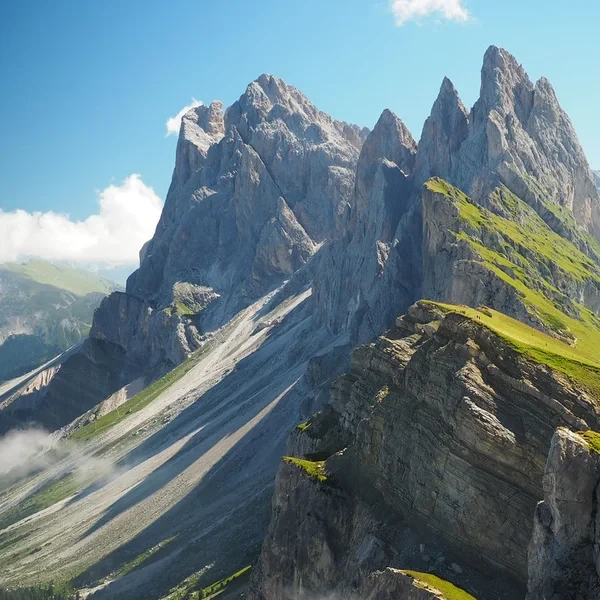
Seceda Ridgeline
Walk the most iconic ridgeline in the Dolomites, along the spine of the Odle above Val Gardena. Choose a short loop from the gondola (4 km2.5 mi) or a full-day circuit via Monte Pic da Cristauta (12.8 km8 mi), facing the Geisler spires.
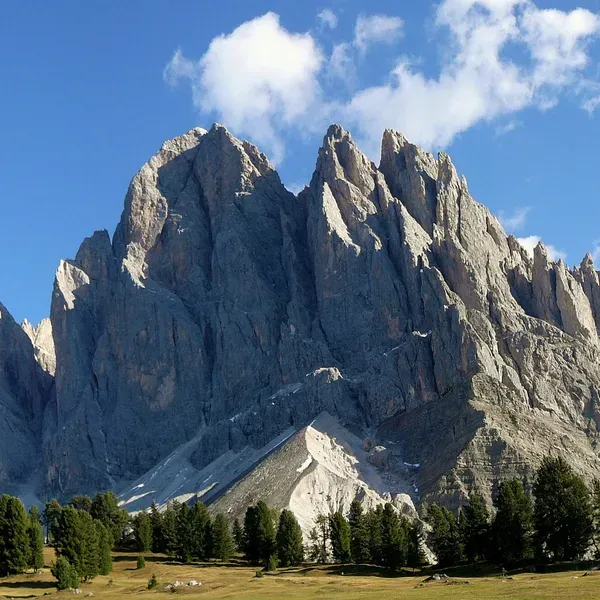
Odle and Adolf Munkel Trail - Loop from Zannes in Val di Funes
A loop from the Zannes car park, in Val di Funes, along the Adolf Munkel Trail in the Puez-Odle park: the long version, the short version, and how to park or come by bus.
Huts around Corvara in Badia
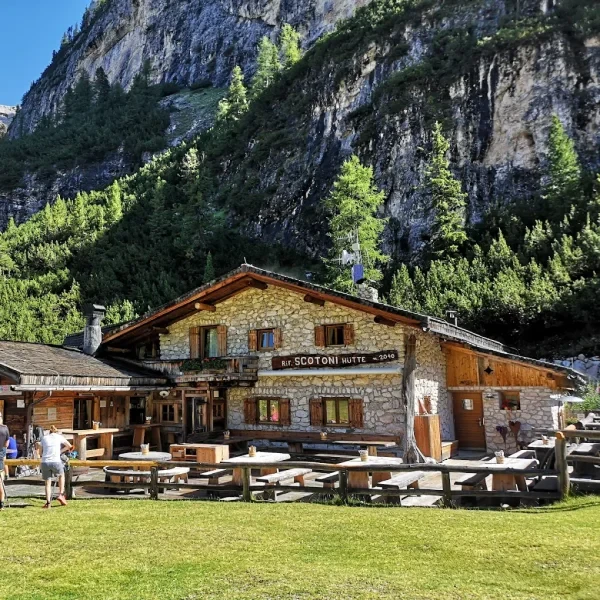
Rifugio Scotoni
A small and scenic refuge on the slopes below Lagazuoi, offering panoramic views of the Fanes group and a quiet alternative to the busier huts of Alta Badia.
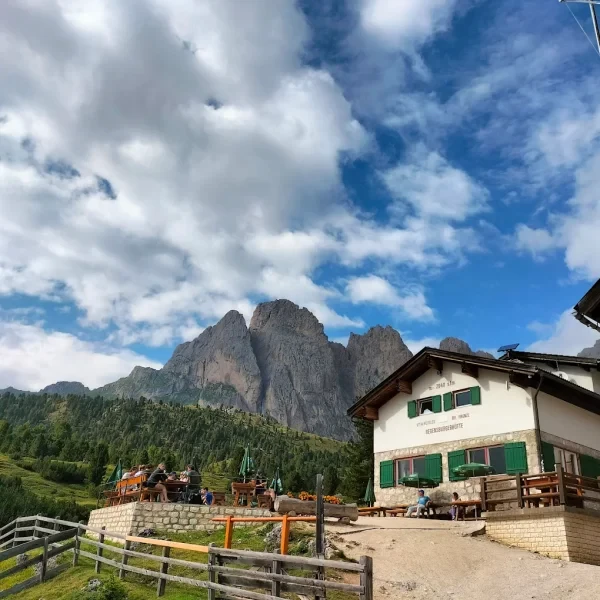
Rifugio Firenze (Regensburger Hütte)
A popular refuge on an open plateau beneath the towering Odle (Geisler) spires in the Puez-Odle Natural Park, accessible from Val Gardena.
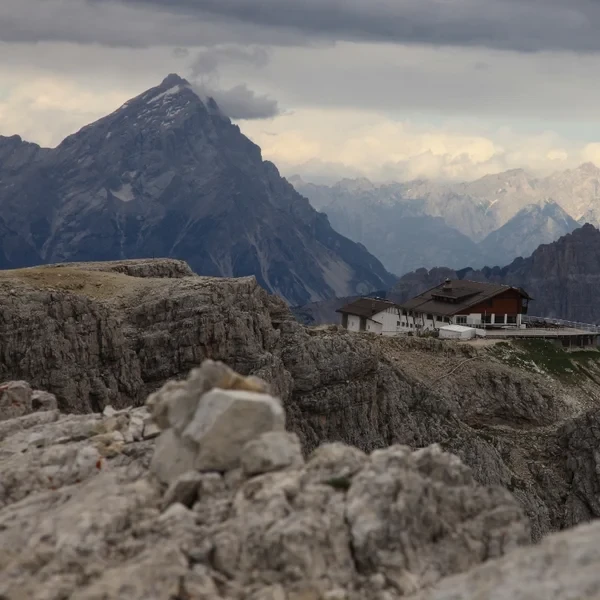
Rifugio Lagazuoi
Perched on the summit of Lagazuoi at nearly 2,800 m9,186 ft, this refuge rewards visitors with one of the most celebrated panoramic sunsets in the Dolomites and access to restored World War I tunnels.
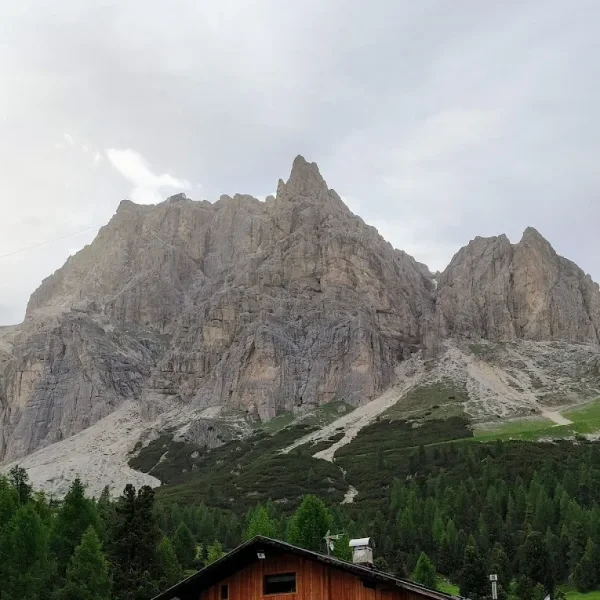
Rifugio Col Gallina
A welcoming mountain refuge perched just above the Falzarego Pass, offering panoramic views toward Lagazuoi and easy access to World War I tunnel routes.
Passes around Corvara in Badia
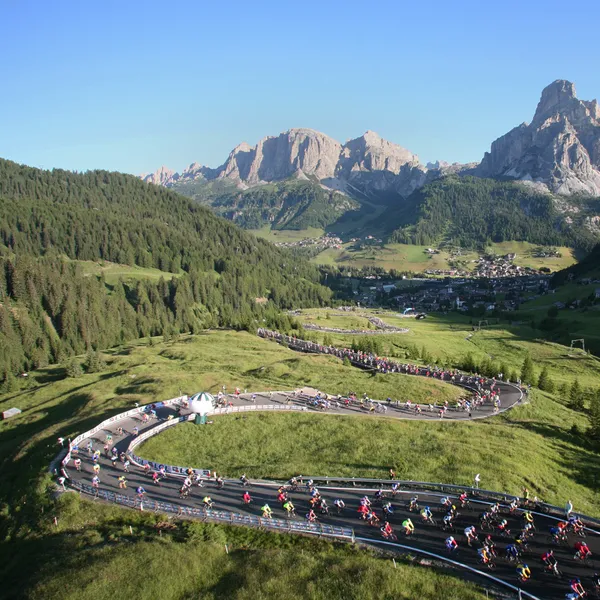
Passo Campolongo (Ju de Ćiaulunch)
Passo Campolongo links Corvara, in Val Badia, to Arabba, between the Sella and the Fanes group. You can reach it by bus 472, on foot from Arabba or Planac, or on the way down from the Boè gondola.
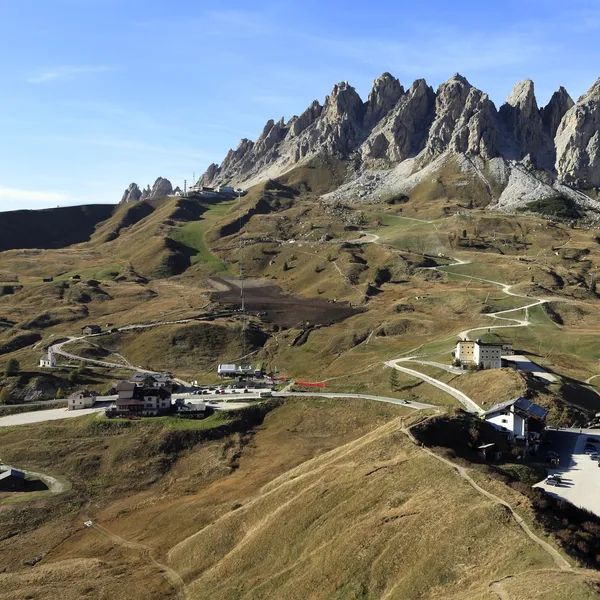
Passo Gardena (Grödner Joch)
Passo Gardena links Val Gardena and Val Badia, between the Sella and the Cirspitzen. You can reach it by bus in summer, on foot or by lift, and trail 2 leads from the pass to the Puez hut.
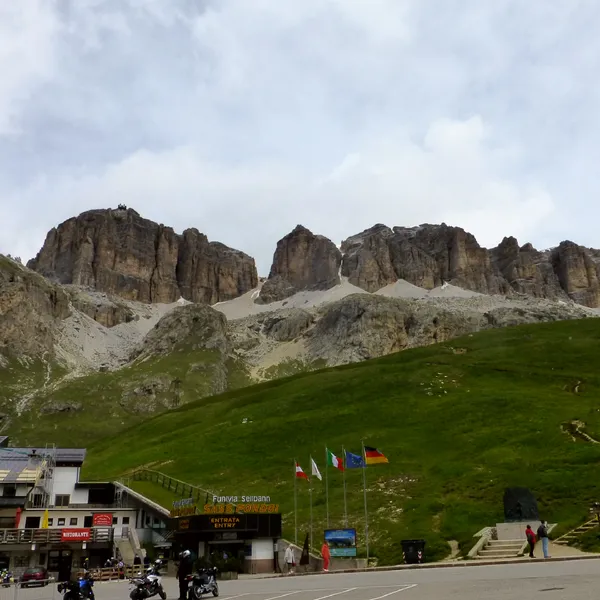
Passo Pordoi (Pordoi Pass)
Passo Pordoi links the Val di Fassa and Arabba, at the foot of the Sella. Reach it by bus or gondola, then ride the Sass Pordoi cable car, climb Piz Boè, walk the Bindelweg to the Fedaia or visit the German war cemetery.
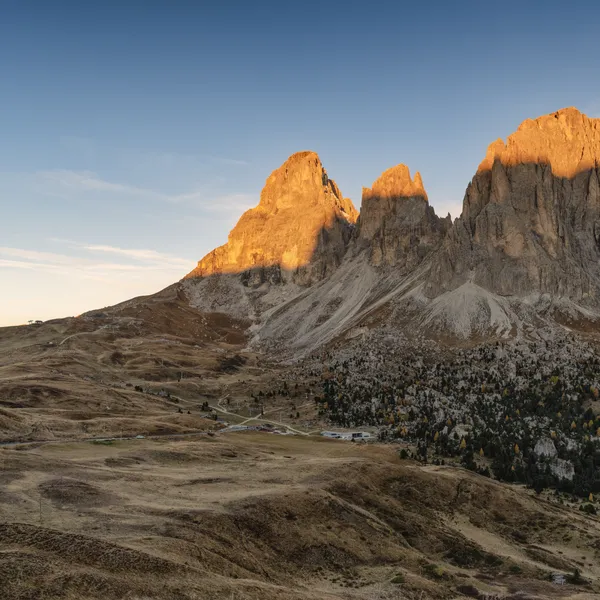
Passo Sella (Sellajoch)
Passo Sella links Val Gardena and Val di Fassa, at the foot of the Sassolungo. You can reach it by bus, on foot or by lift, and it is the start of the Sassolungo circuit and of the Forcella gondola.