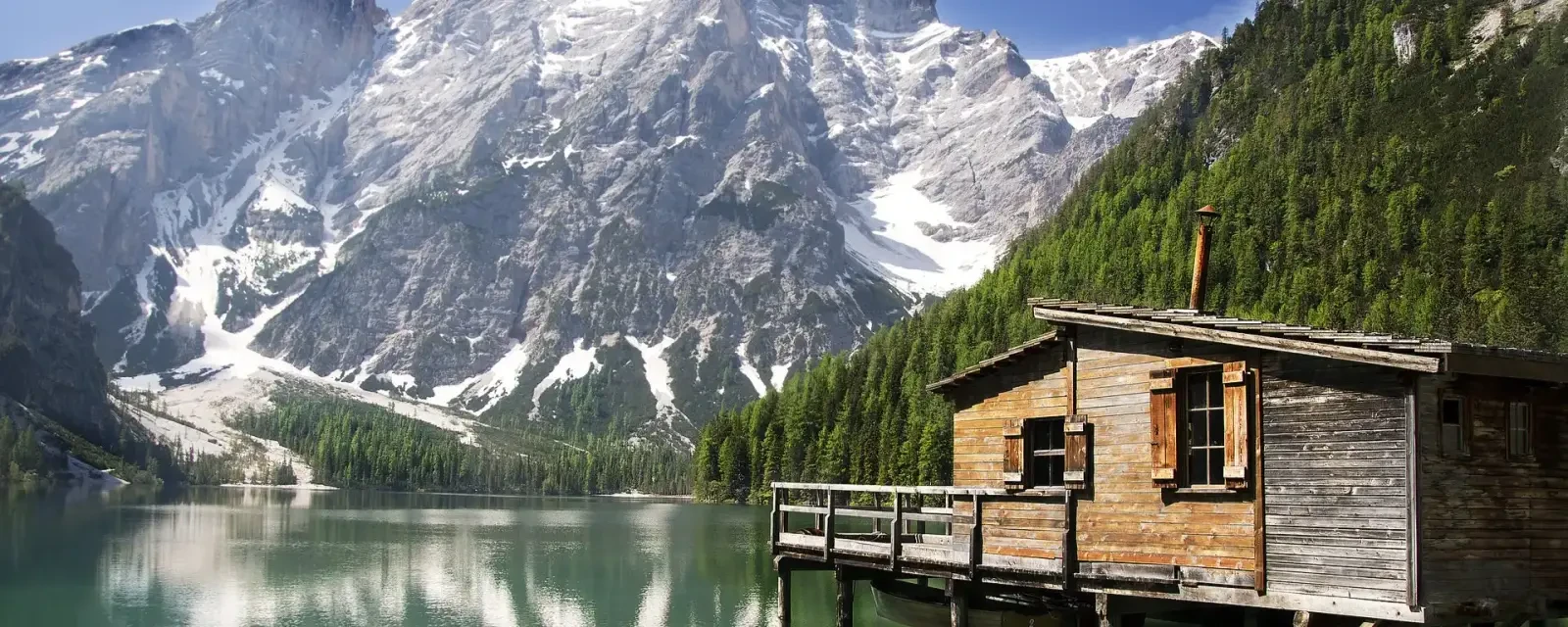
Hut to Hut Hiking in the Dolomites
Trail-tested itineraries, rifugio guides, and everything you need to trek the Dolomites independently.
Dolomites Hiking Itineraries
Day hikes, multi-day treks, and hut to hut routes across the Dolomites - with real trail data, not brochure copy.
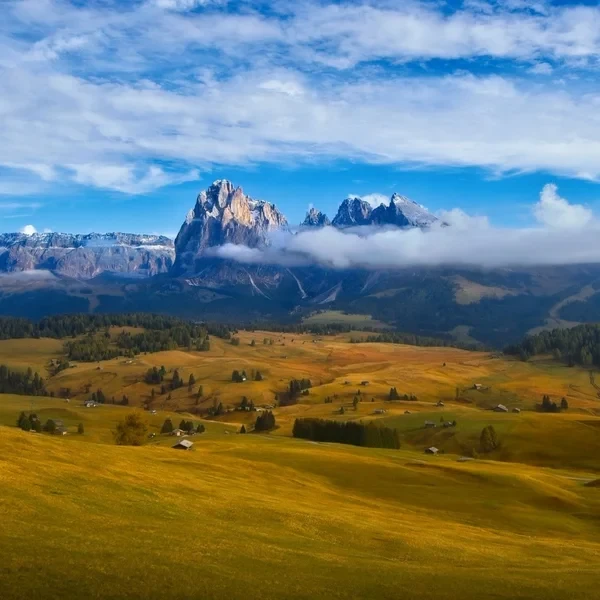
Alpe di Siusi
Experience the Alpe di Siusi (Seiser Alm), Europe's largest high-altitude alpine meadow. The Panorama Traverse offers a gentle yet spectacular circuit through emerald pastures, framed by the anvil-shaped Sciliar and the towering spires of the Sassolungo. Perfect for photographers and families alike.
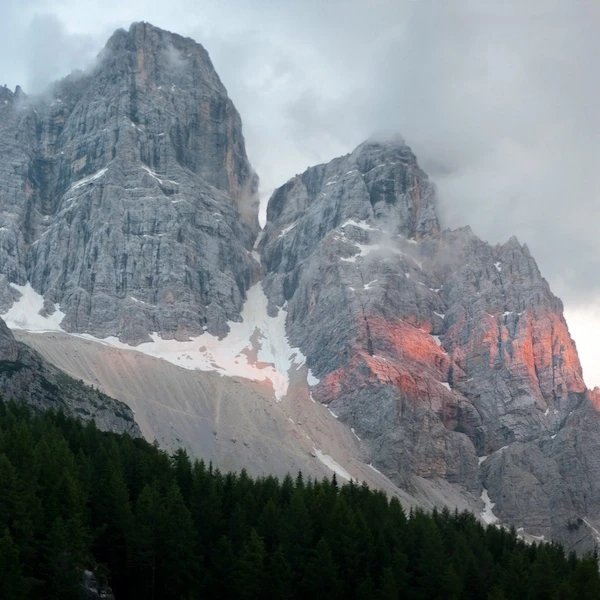
Alta Via 1
The definitive multi-day journey across the heart of the Dolomites. Spanning 120 km74.6 mi of rugged limestone terrain, this classic trek takes you from the emerald waters of Lago di Braies to the historic streets of Belluno, staying in world-class mountain huts along the way.
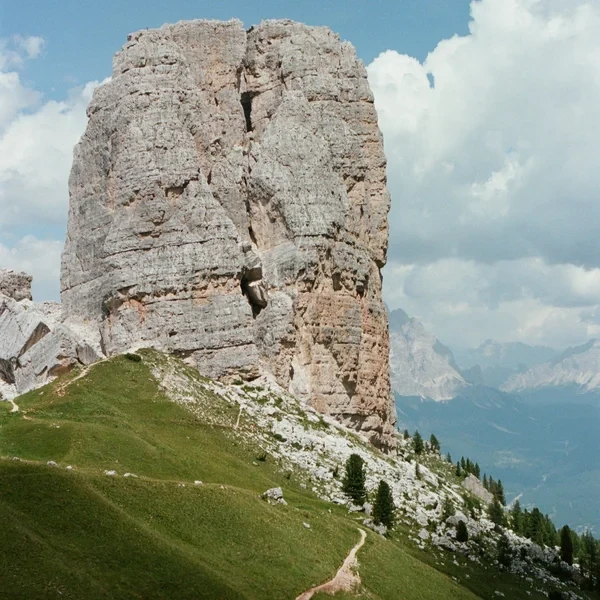
Cinque Torri Loop & WWI Open Air Museum
Explore one of the most famous rock formations in the Dolomites. This guide covers the WWI trenches, the loop around the five towers, and the climb to the historic Rifugio Nuvolau.
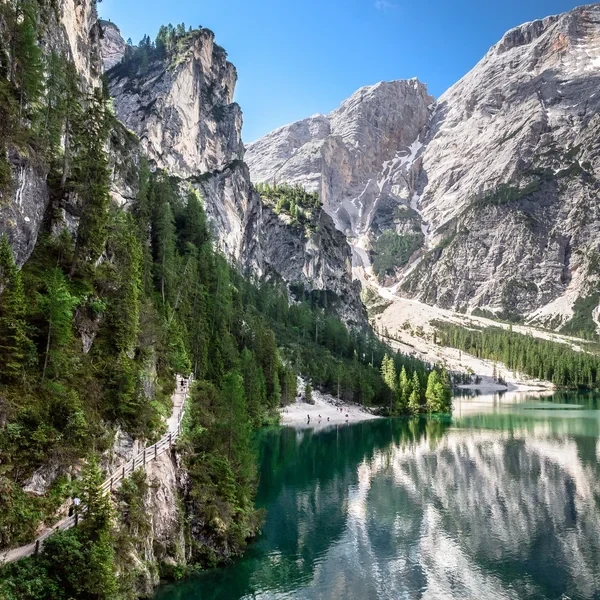
Lago di Braies
Visit the most famous lake in the Italian Dolomites. This guide covers the essential shoreline loop, the easy hike to Malga Foresta, and critical 2026 parking and shuttle regulations.
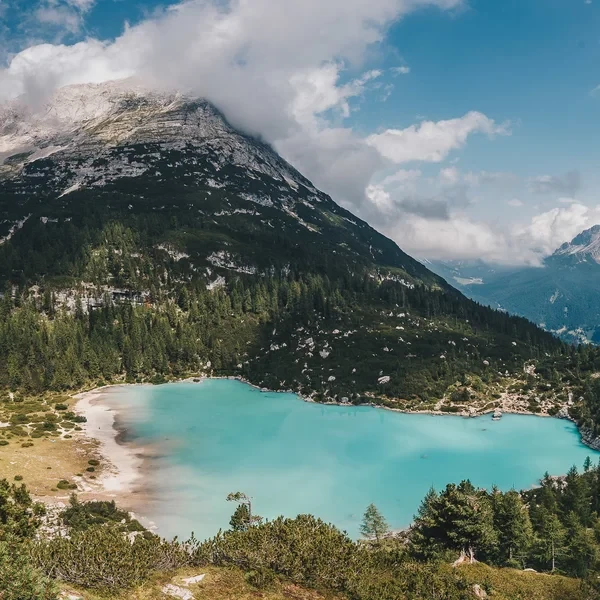
Lago di Sorapis
A glacial turquoise lake hidden beneath the Sorapis massif near Cortina d'Ampezzo. Trail 215 from Passo Tre Croci crosses cable-aided rock traverses to reach one of the most photographed spots in the Dolomites.
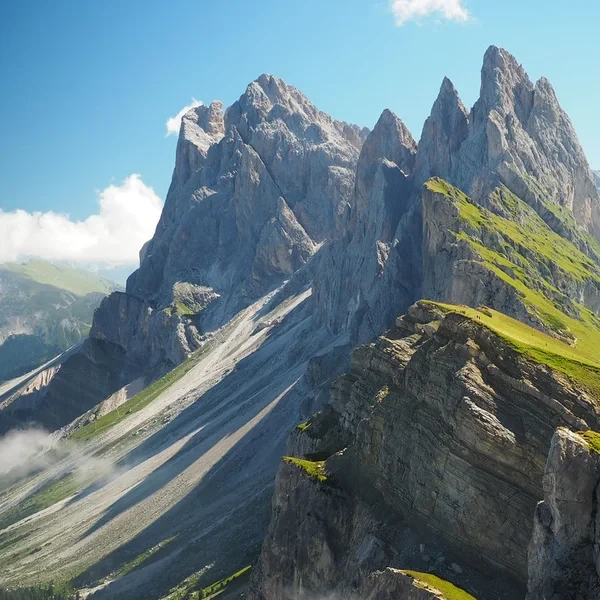
Seceda Ridgeline
Walk the most iconic ridgeline in the Dolomites, tracing the spine of the Odle massif above Val Gardena. Choose between a short summit loop from the gondola (4 km2.5 mi) or a full-day circuit via Monte Pic da Cristauta (13.1 km8.1 mi), both with continuous views of the Geisler spires.
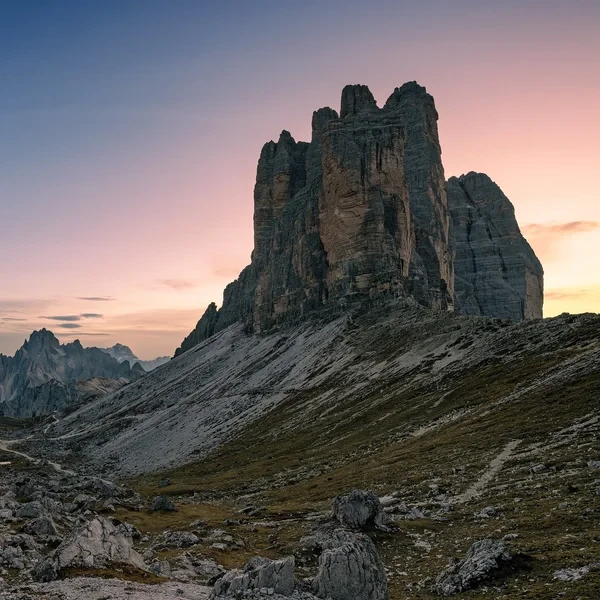
Tre Cime di Lavaredo Loop
Circle the most iconic monoliths in the Alps. This essential day hike brings you face-to-face with the dramatic north faces of the Three Peaks, traversing high-altitude scree fields and historic WWI tunnels in the heart of the Sesto Dolomites.
Plan Your Dolomites Hut to Hut Hiking Trip
The Dolomites are laced with over 350 mountain huts (rifugi) connected by a network of marked trails that let you trek for days without ever pitching a tent. Hut to hut hiking in the Dolomites means walking 5 to 8 hours a day between staffed refuges that serve hot meals, provide bunk beds, and sit at altitudes between 1,800 m5,905 ft and 2,800 m9,186 ft. You carry only a daypack. The hut system handles the rest.
This site exists to give you the specific, practical information that most travel blogs skip: which trails are actually open and when, how far in advance you need to book rifugi, what the real elevation profiles look like, and where the route gets technical. Every itinerary and hut guide is built from on-the-ground experience in these mountains - not recycled from brochures.
We organize the logistics so you can focus on the trail. Get in touch with our experts today.
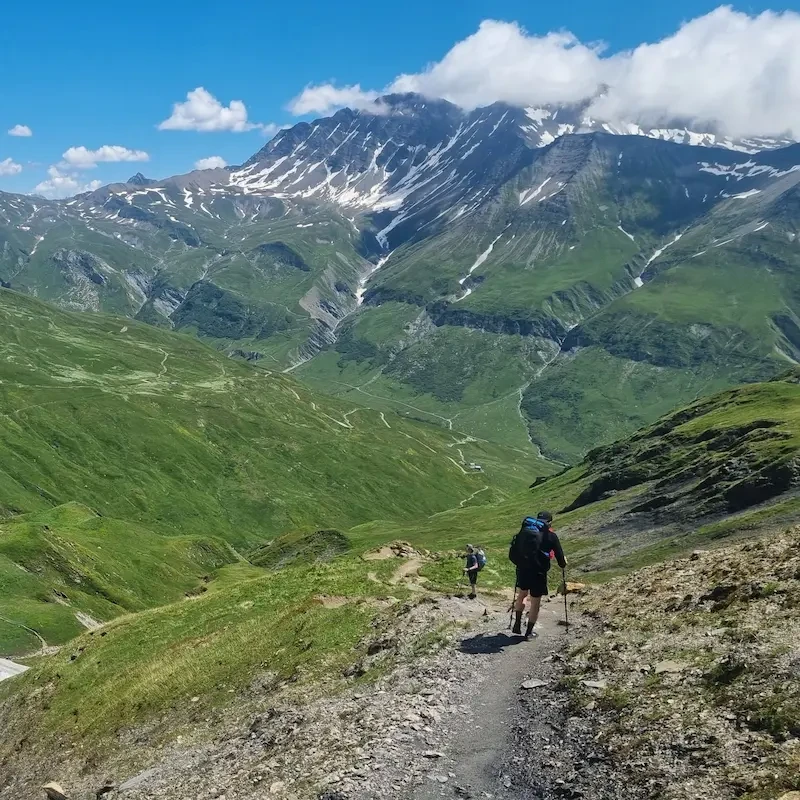
Direct contact with local Dolomites experts
Hut bookings, luggage transfers, detailed roadbooks - we handle the logistics so you walk with a daypack and nothing else.
Direct contact with local Dolomites experts
Why Hut to Hut Hiking in the Dolomites Is Different
Most mountain ranges force you to choose between comfort and wilderness. The Dolomites do not. The rifugio network is dense enough that you sleep in a staffed hut every night, eat three-course dinners at 2,500 m8,202 ft, and never carry more than 7 kg. That changes what a multi-day trek feels like entirely - you cover more ground, recover faster, and actually enjoy the evenings instead of boiling freeze-dried meals in a tent.
The trails themselves are the other half of the equation. Dolomite limestone creates a landscape that is vertical in a way the Alps rarely are elsewhere - knife-edge ridges, sheer 500 m1,640 ft walls, and passes that cut through rock towers like doorways. Hut to hut hiking here is not just a logistics format. It is the only way to properly experience what makes these mountains a UNESCO World Heritage site.
All Our Tips and Info for Your Dolomites Trek
Practical advice for planning your Dolomites hut to hut hiking trip - from gear lists to booking timelines.
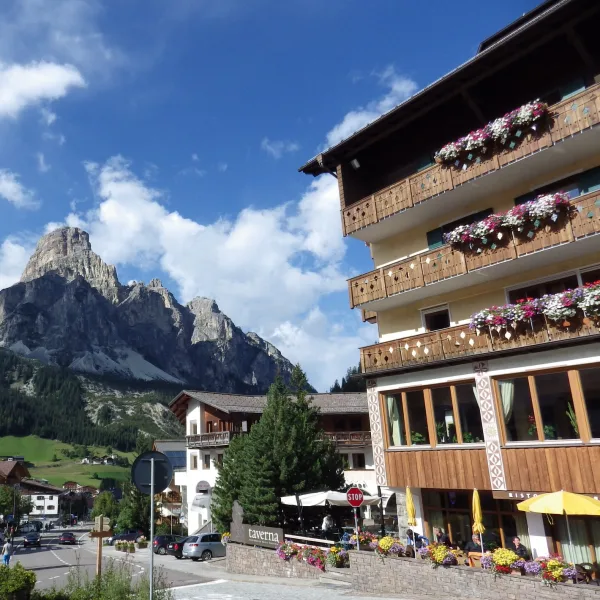
Alta Badia and Corvara Hiking Guide
Alta Badia sits at the geographic heart of the Ladin Dolomites, with Corvara acting as the highest and most central hiking base among the five main Dolomites towns. It covers the Alta Via 1 Fanes stages, Piz Boe access, and the best rifugi in the valley.
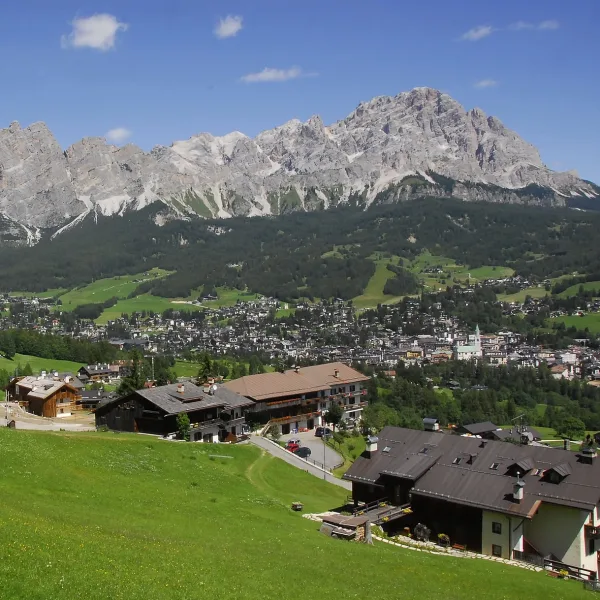
Cortina d'Ampezzo Hiking Guide
A practical guide to hiking from Cortina d'Ampezzo, the main base town in the eastern Dolomites. Covers the best trails, accessible rifugi, transport from Venice, and the right months to visit.
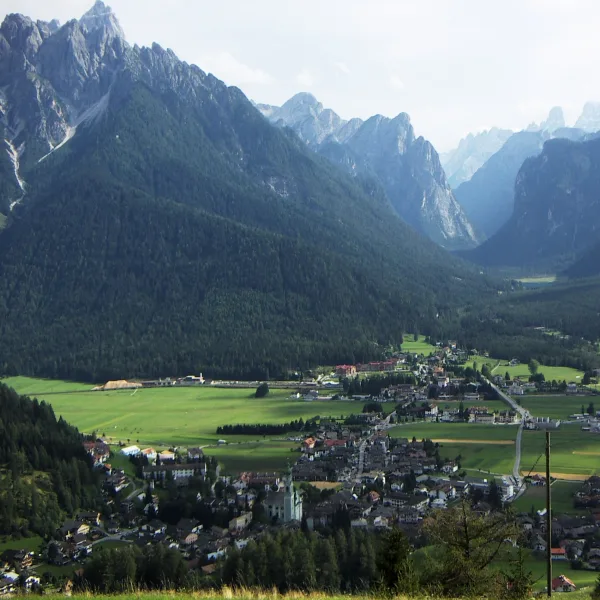
Dobbiaco (Toblach) Hiking Guide
Dobbiaco (Toblach) is the most practical and underrated base for the eastern Dolomites - closer to Lago di Braies and Tre Cime than most alternatives, with a real train station and direct bus connections to both sites.
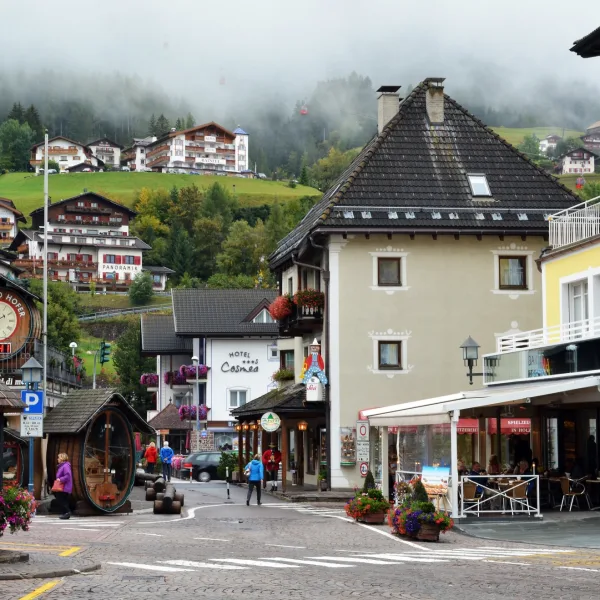
Ortisei and Val Gardena Hiking Guide
A practical guide to hiking from Ortisei and Val Gardena. Three cable car systems give access to Seceda, Alpe di Siusi, and Puez-Odle - covering the best routes, rifugi, and how to get there.
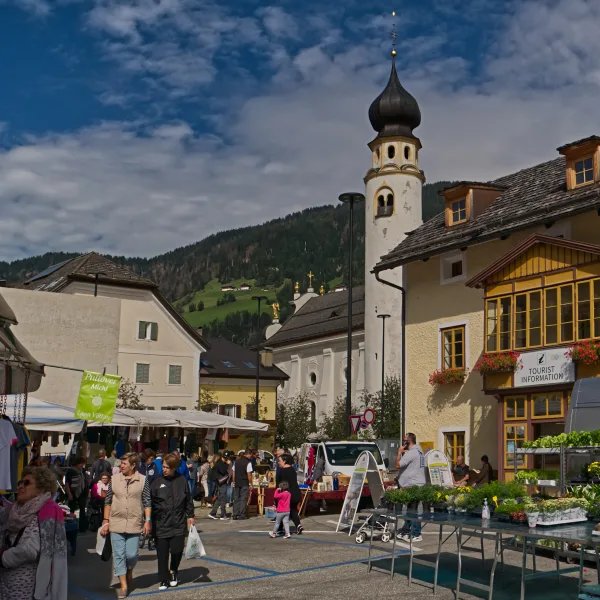
San Candido (Innichen) Hiking Guide
San Candido (Innichen) is the most practical base for the Tre Cime di Lavaredo area, with direct train access from Innsbruck and bus links to Rifugio Auronzo. This guide covers transport, trail options, hut logistics, and when to go.
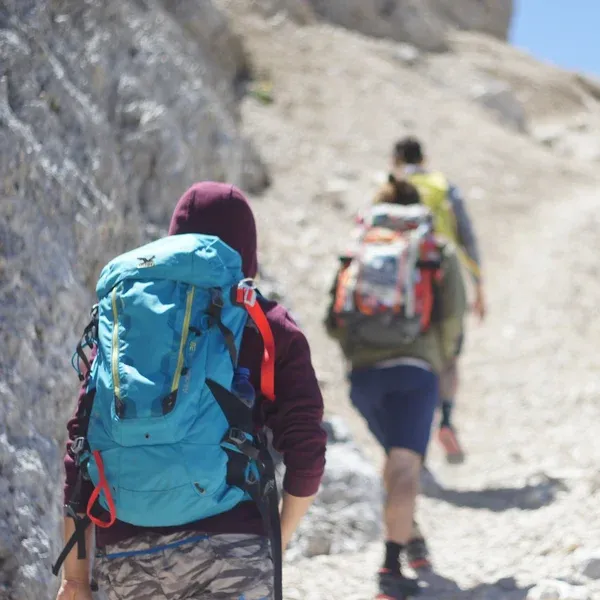
Hiking Footwear for the Dolomites: Trail Runners, Boots, or Approach Shoes?
The answer to 'what boots should I wear in the Dolomites' depends entirely on what you're doing. This guide matches footwear category to use case - day hikes, hut-to-hut treks, via ferrata - and cuts through the ankle-support myth with evidence.
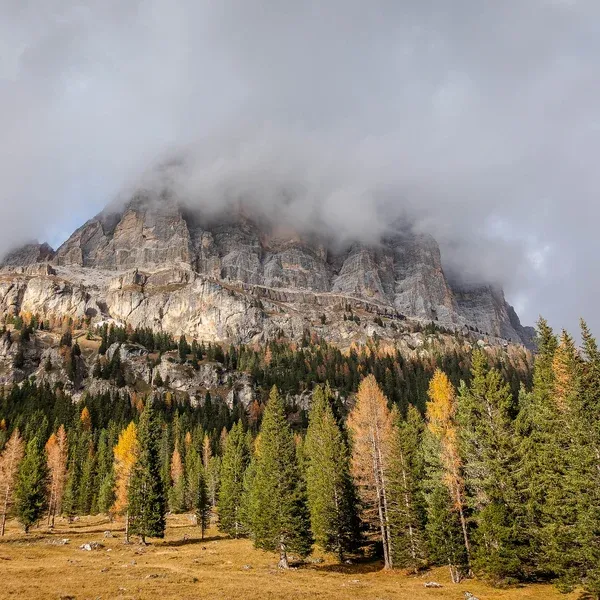
Dolomites Itinerary: How Many Days Do You Need?
How long does a Dolomites trip really take? This guide breaks down realistic itineraries from 2 to 14 days, what you can fit into each, and where most first-timers underestimate transfer time between valleys.
Dolomites vs the Alps: What Makes Them Different?
The Dolomites are technically a subrange of the Eastern Alps, but their ancient coral reef geology, vertical pale rock towers, and dense rifugio network make them visually and practically unlike any other alpine area in Europe.
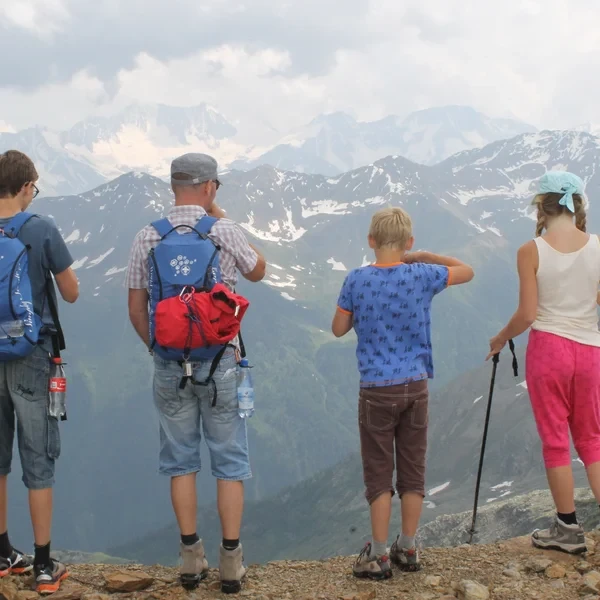
Dolomites with Kids: Family-Friendly Hikes & Activities
A practical guide for families planning a Dolomites trip with children. Covers trail selection by age and ability, rifugio logistics, and the most common mistakes parents make on their first alpine hiking trip with kids.
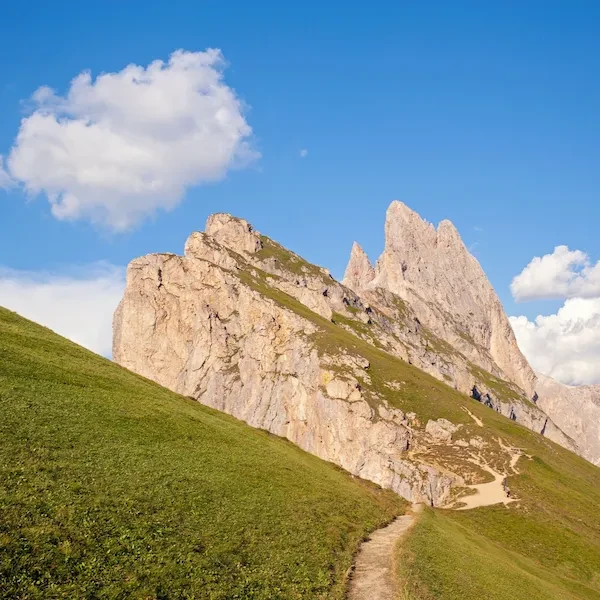
Best Hikes in the Dolomites: From Easy Walks to Epic Treks
A ranked selection of the best Dolomites hiking trails, from a flat lakeside loop at Lago di Braies to the 9-day Alta Via 1 traverse. Each hike links to a full route guide.
Mountain Huts in the Dolomites
The rifugios where you sleep, eat, and recharge between stages of your Dolomites hut to hut trek.
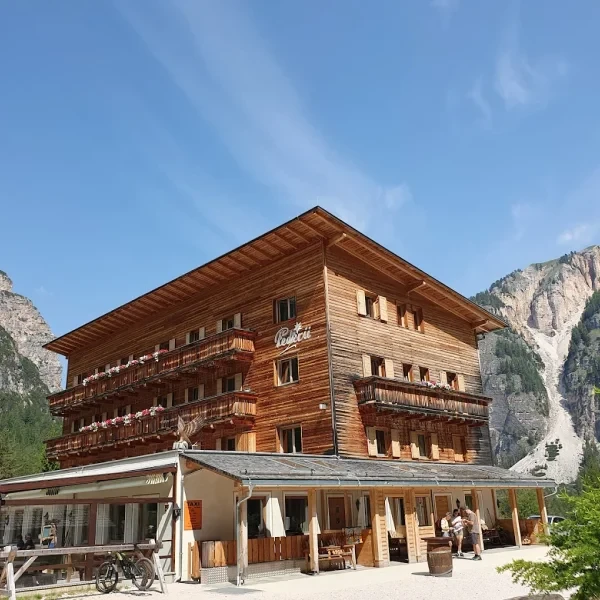
Berggasthaus Pederü
The main gateway to the Fanes-Sennes-Braies Natural Park, offering comfortable valley-floor accommodation and shuttle access from San Vigilio di Marebbe.
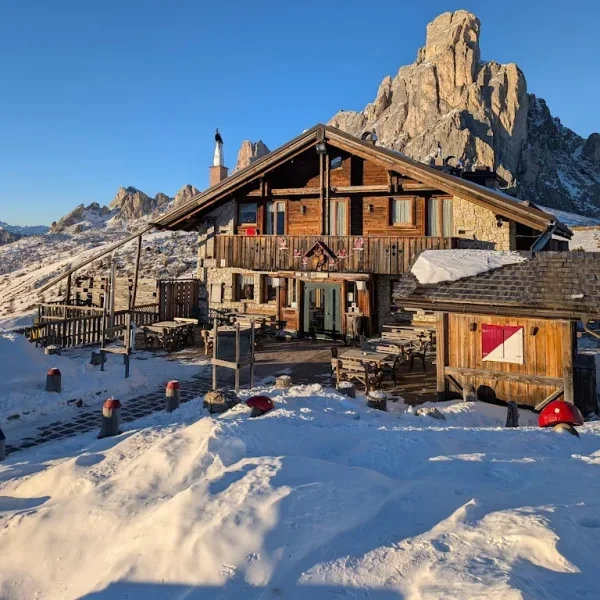
Berghotel Passo Giau
A year-round mountain hotel right at the top of the scenic Passo Giau, offering comfortable rooms and sweeping 360-degree views of the Ampezzo Dolomites.
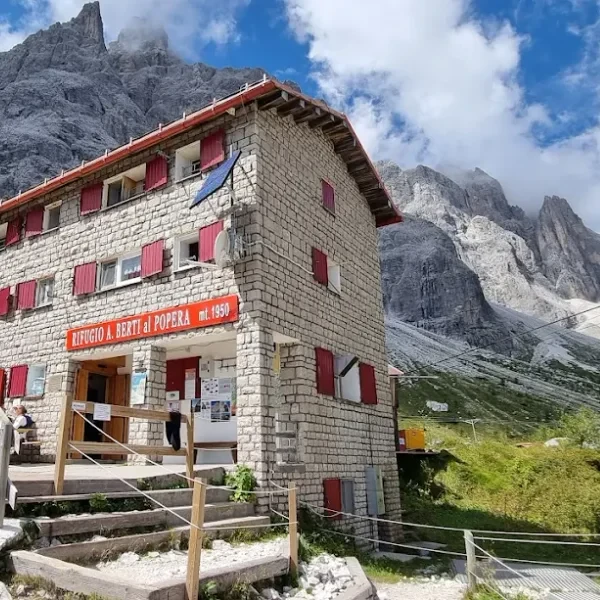
Bertihütte
Tucked into the Val d'Ansiei near Auronzo di Cadore, this welcoming refuge serves as a peaceful base for exploring the quieter eastern approaches to the Tre Cime area.
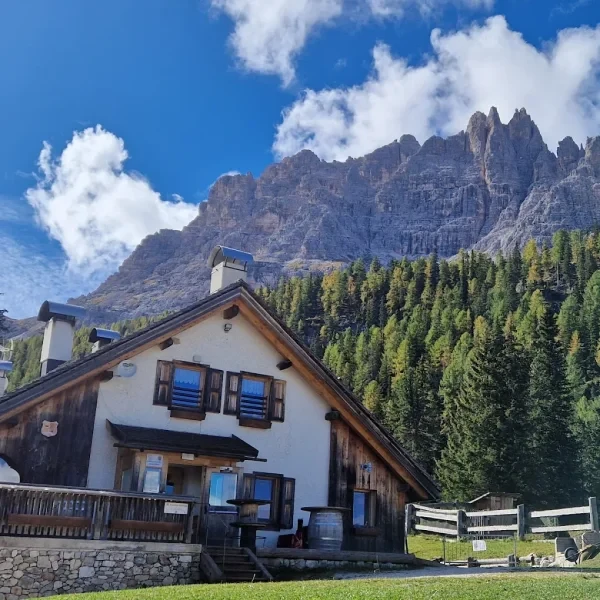
Malga Federa
A tiny alpine dairy farm turned mountain lodge perched above the shores of Lago Federa, one of the most photographed lakes in the Cortina basin.
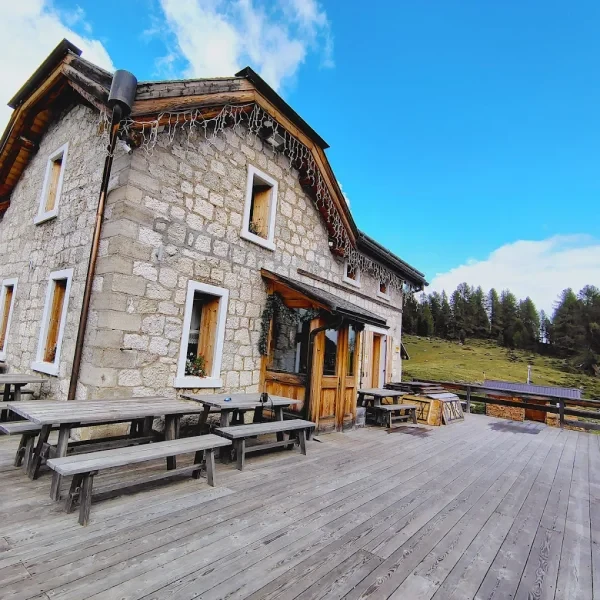
Malga Giau
A traditional alpine dairy farm just below Passo Giau, where hikers can enjoy fresh local cheeses and sleep in a rustic setting surrounded by open meadows.
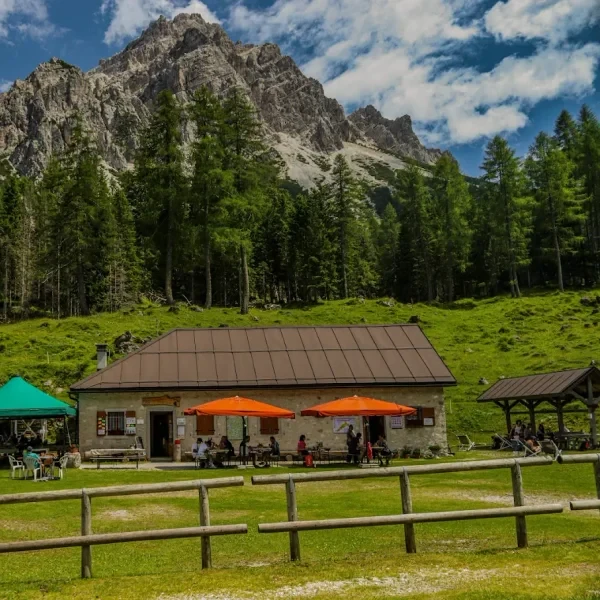
Malga Pramper
A tiny seasonal malga deep in the remote Val Prampèr, offering one of the most secluded overnight experiences in the southern Dolomites.
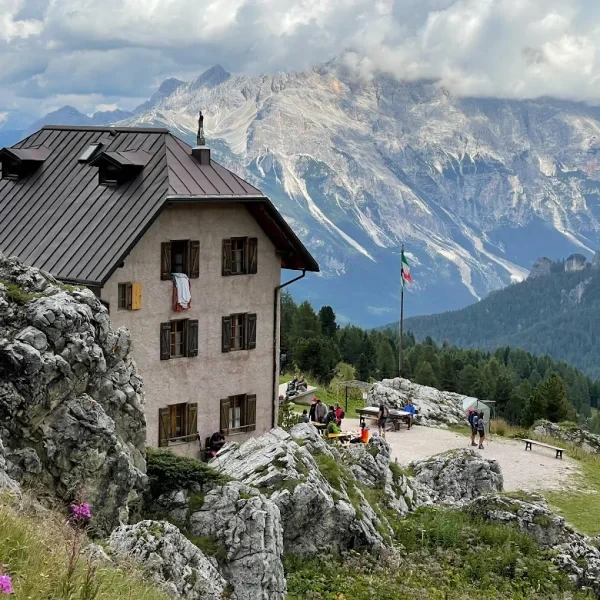
Rifugio 5 Torri
A cosy refuge tucked beneath the iconic Cinque Torri pillars, offering a quieter alternative to the busier huts in the area and direct access to climbing routes.
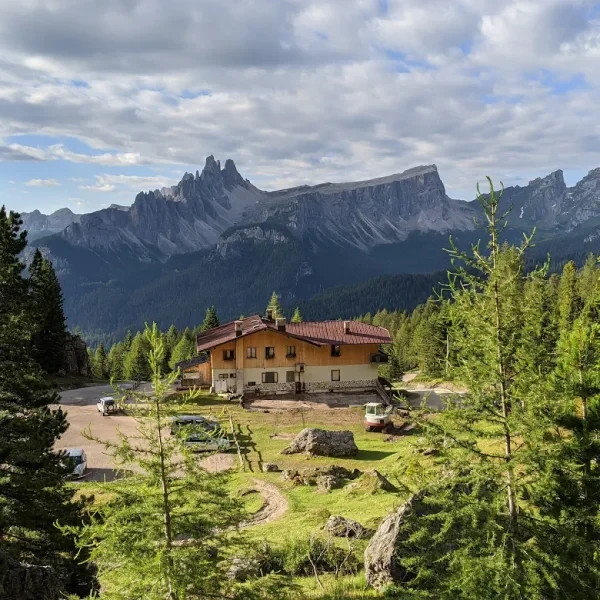
Rifugio Angelo Dibona
A well-equipped refuge named after one of the greatest Dolomite guides, nestled in a larch forest at the foot of the Tofane with routes for all abilities.
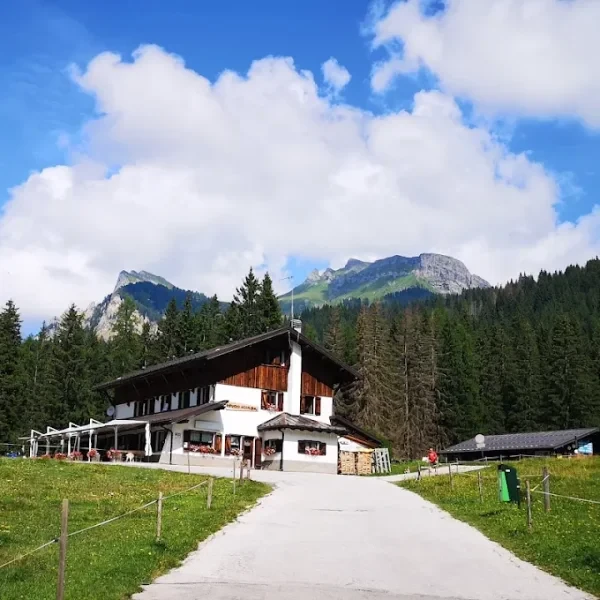
Rifugio Aquileia
A year-round mountain refuge tucked into the meadows above Selva di Cadore, offering direct views of Monte Pelmo and easy access to the trails around Alleghe.
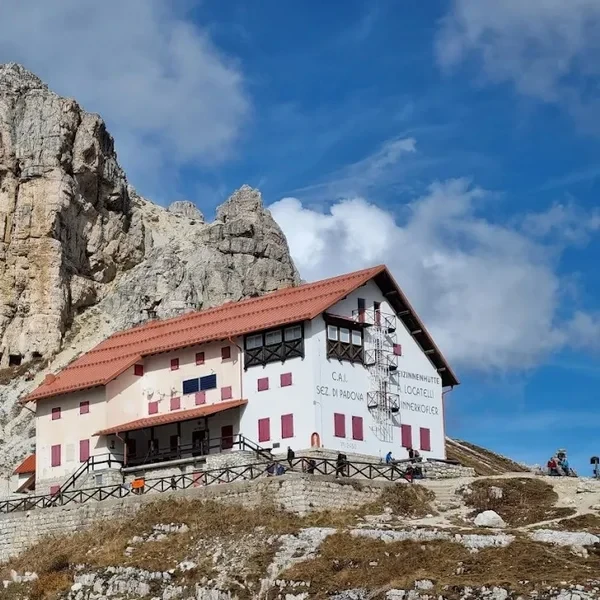
Rifugio Auronzo
Perched at the edge of the Tre Cime di Lavaredo, this high-altitude refuge serves as the primary gateway to the most famous peaks in the Sexten Dolomites.
Hut to Hut Hiking - Frequently Asked Questions
When is the best time for hut to hut hiking in the Dolomites?
The hiking season runs from mid-June to late September. Most rifugi open between June 10th and June 20th and close by mid-to-late September. The sweet spot is the last two weeks of June (alpine wildflowers, long daylight, fewer crowds) or the first two weeks of September (stable weather, golden light, thinner crowds). Avoid the first two weeks of August - Italian Ferragosto fills every hut and trail to capacity.
How far in advance do I need to book mountain huts?
Most rifugi open their booking systems between December and February for the following summer. By March, the peak months of July and August are largely sold out at popular huts like Rifugio Locatelli (Drei Zinnen Hütte) or Rifugio Lagazuoi. If you plan to hike in July or August, book at least 6 months ahead. For September, 2 to 3 months is usually sufficient - but do not gamble on availability.
Do I need to be very fit to do a hut to hut trek?
You will walk between 5 and 8 hours a day carrying a daypack of roughly 6 to 8 kg. A typical stage involves 600 to 1,200 m1,969 to 3,937 ft of elevation gain. You do not need to be an athlete, but you do need to be trail-ready. If you can comfortably hike 15 km9.3 mi with 800 m2,625 ft of ascent on consecutive days without issue, you are prepared. Start training at least 8 weeks before your trip with loaded hikes on hilly terrain.
What is the difference between a rifugio and a hotel?
A rifugio is a staffed mountain shelter, not a hotel. Expect shared dormitories (4 to 20 beds per room), communal dinners served at a fixed time, limited or no showers, and lights-out by 22:00. You sleep in provided blankets - bring a silk liner for hygiene. There is no Wi-Fi, no room service, and often no reliable cell signal. What you get instead is a hot three-course dinner, a dry bed above 2,000 m6,562 ft, and a front-row seat to the Dolomites at sunrise.
How much does a hut to hut trek in the Dolomites cost?
Budget approximately €50 to €70 per person per night at a rifugio, which includes half-board (dinner and breakfast). Lunch on the trail is extra - expect €8 to €15 for a plate of polenta or a bowl of soup at a staffed hut. Carry at least €50 in cash per day. Many huts above 2,500 m8,202 ft do not accept cards, and satellite card terminals fail regularly in bad weather. Over a 5-day trek, plan for roughly €350 to €450 per person in hut costs alone.
Do I need special gear or via ferrata equipment?
For standard hut to hut routes (Alta Via 1, Alpe di Siusi circuit), you do not need via ferrata gear. Sturdy trail shoes with ankle support and a grippy Vibram sole are non-negotiable - standard running shoes are dangerous on the loose scree and exposed limestone that define Dolomite trails. Trekking poles are strongly recommended for the long descents. If your chosen route includes via ferrata sections (Alta Via 2, some Brenta routes), you will need a harness, via ferrata set, and helmet - which can be rented in towns like Cortina d'Ampezzo or Ortisei.
Can I hike hut to hut in the Dolomites without a guide?
Yes. The trail network is excellently marked with numbered signs, red-white-red blazes, and metal waymarkers bolted into rock. The Dolomites are one of the best mountain ranges in the world for independent, self-guided trekking. That said, you must know how to read a trail map, carry a GPS-capable device with offline maps (Komoot or Mapy.cz work well), and check weather forecasts daily. Afternoon thunderstorms from July through August are violent and frequent - if you see cumulonimbus building, you need to be off exposed ridges by 14:00.
How do I get to the Dolomites from a major airport?
The closest airports are Venice (VCE), Innsbruck (INN), and Verona (VRN). From Venice, the Cortina Express bus runs directly to Cortina d'Ampezzo in roughly 2 hours. From Innsbruck, the Flixbus or regional train reaches Bolzano (Bozen) in about 2 hours, from where local SAD buses connect to Val Gardena, Val di Fassa, and Alta Badia. A rental car gives you maximum flexibility, but be aware of the ZTL (limited traffic zones) that close many mountain pass roads to private vehicles during peak hours from June to September.
From our partner · 400+ Verified Traveler Reviews
"This trek is magnificent. The itinerary is perfect, and our guide was extraordinary - knowledgeable, attentive, and genuinely passionate about the Dolomites."
"Well-marked trails that avoid the crowded tourist spots, with real elevation changes that keep it interesting. The mountain hut stays were a highlight - the Italian food at every rifugio was outstanding."
"Our guide was super professional. The transportation was seamless, and the family-run hotel was very comfortable - a friendly and safe setting. I would do it again in a minute."
"Excellent itinerary, excellent guide. Every detail was handled perfectly and the route choices were spot on. Would do it again without hesitation."
"A spectacular trek through an exceptional mountain range. The route avoids the most crowded areas and the views are relentless. Be warned - the elevation changes are more demanding than you expect."
"A genuinely engaging trek that keeps you motivated day after day. The variety of landscapes - from green valleys to high rocky passes - is remarkable. Well organized from start to finish."
"I rate this trip 10 out of 10. The accommodation quality exceeded my expectations, and the staff were incredibly attentive - even accommodating my food allergies without any fuss."
"An extraordinary itinerary that lets you discover the Dolomites without overexerting yourself. The route is well-balanced with no technical difficulties, yet you still feel immersed in the high mountains."
"A great discovery for a first group hiking trip. The guide was excellent, the group was friendly, and the autumn weather gave us clear skies over the Dolomites nearly every day."
"A wonderful week in the mountains with an excellent guide who knew every trail and every shortcut. The hut-to-hut format made the logistics effortless - just walk and enjoy."
Decades of Alpine Expertise
Our partner agency has been operating in the Alps for over 40 years. Their team of passionate mountain experts knows every trail, every rifugio, and every season intimately.
Fully Protected Trips
Your investment is safe. We work exclusively with a licensed, bonded, and insured operator. 24/7 assistance and comprehensive travel insurance are included with every booking.
Handcrafted by Locals
No generic packages. Each itinerary is designed by a small team of travel experts who hike these trails themselves. Luggage transfers, dietary needs, and every logistical detail are handled for you.
A Real Team, Not a Call Center
A dedicated team of a dozen specialists is available before, during, and after your trip. You speak directly to the people who designed your route and know the terrain.